
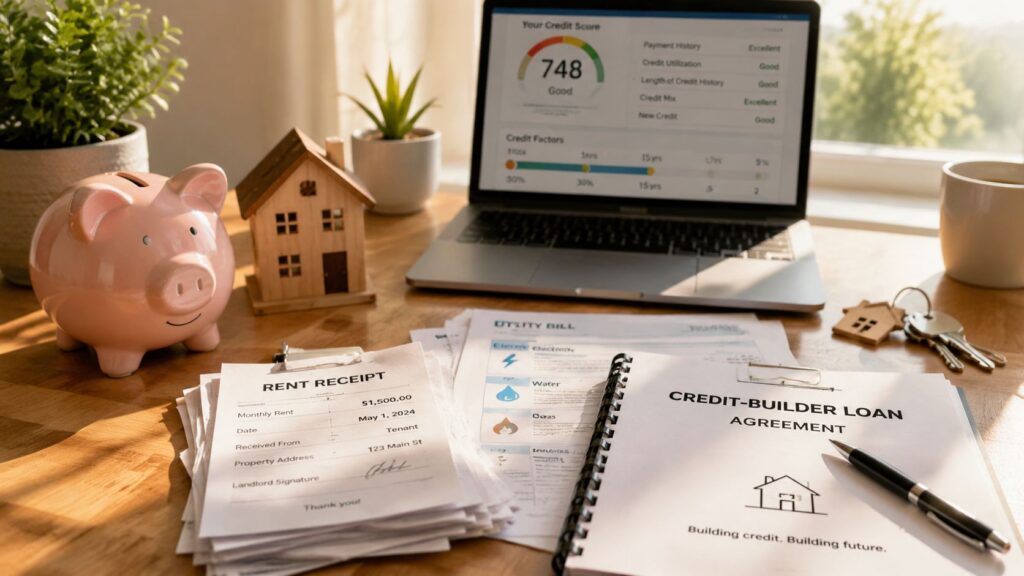
Many people believe that building a strong credit score is impossible without a wallet full of credit cards. This is one of the most common myths in personal finance. The truth is, lenders are far more interested in your financial responsibility than the specific types of accounts you use.
This guide is designed to provide a clear, actionable roadmap for building a credit profile that lenders can trust—especially when you're preparing to buy a home. Whether you're aiming for an FHA, VA, or conventional loan, these proven, card-free strategies demonstrate the one thing that truly matters: consistent, positive financial habits.
Let's walk through how these strategies come together to help you become mortgage-ready.
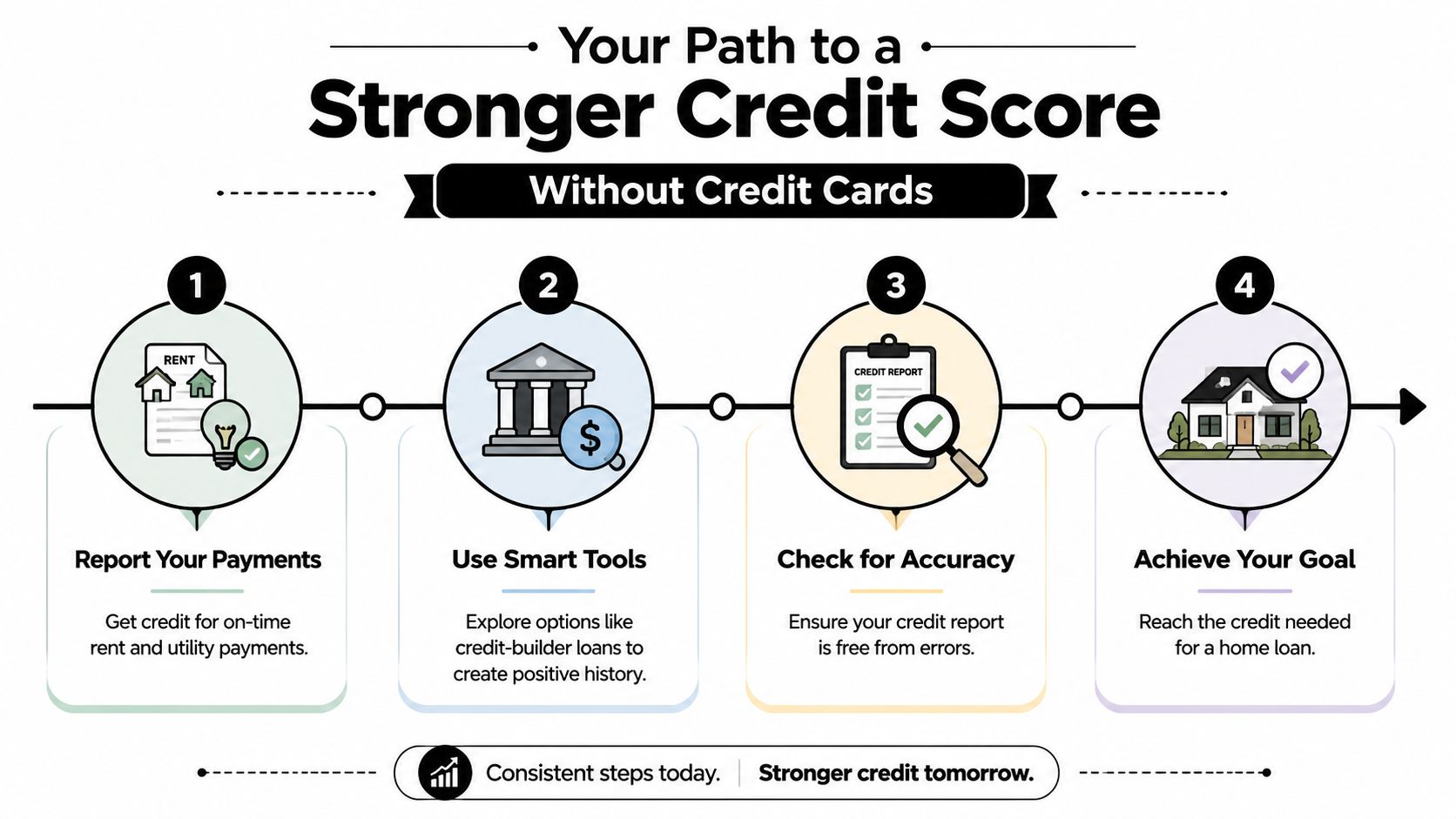
This four-part process shows you a structured path forward, from getting credit for payments you already make to ensuring your report is accurate. It's all about building a solid foundation for your future home.
Core Strategies for Building Credit
Building good credit is a marathon, not a sprint. Real, sustainable improvement comes from a two-pronged approach: consistently adding positive payment history while making sure your existing credit report is fair and accurate.
Here are the key areas to focus on:
- Reporting Existing Payments: It's time to get credit for your largest monthly expenses. Certain services now allow you to report on-time rent and utility payments directly to the credit bureaus.
- Creating New Tradelines: Intentionally build a positive payment history using smart tools like credit-builder loans or other forms of installment credit.
- Verifying Report Accuracy: You cannot fix what you don’t know is broken. Regularly pulling your credit reports and understanding the dispute process is non-negotiable.
For a deeper dive into boosting your credit standing, check out this excellent resource with Morgan & Morgan credit advice.
By mastering these card-free methods, you're not just improving a number; you're building a powerful financial profile that proves your reliability to lenders.
Table of Contents
- Core Strategies for Building Credit
- Get Credit for Payments You Already Make
- Build Positive History with Credit-Builder Loans
- Leverage an Authorized User Account
- Make Sure Your Credit Report Is Clean and Correct
- Frequently Asked Questions About Building Credit Without a Card
Get Credit for Payments You Already Make
What if you are already building a great payment history every single month, but it’s just not being counted? Think about it—you pay your rent, utilities, and phone bill on time, year after year. That is a significant demonstration of financial responsibility, but it's often invisible to the credit bureaus.
The good news is, that's changing. It is now possible to tap into that positive history and get it added to your credit file, which can be a game-changer, especially if you have a thin credit file or are working to rebuild your credit.
Reporting Rent and Utility Payments
When you're preparing to buy a home, nothing speaks louder to a mortgage underwriter than a solid track record of paying your housing costs on time. It's the exact kind of proof they need to see you as a reliable borrower.
There are now several services that will verify and report your on-time rent payments to Experian, TransUnion, and Equifax. And it doesn't stop there. Platforms like Experian Boost can link to your bank account and give you credit for paying utility, cell phone, and even streaming service bills on time.
This strategy can be powerful, but it's important to know how it works:
- You Have to Opt-In: Landlords and utility companies do not report this data automatically. You have to sign up for a service to get the ball rolling.
- Growing Acceptance: While not every lender uses scoring models that incorporate this alternative data yet, the industry is quickly moving in that direction.
- Impact Varies: The effect on your score depends on your unique credit profile, but adding a new tradeline with a perfect payment history is almost always a step in the right direction. Results vary based on each person’s credit history and the scoring model used.
The single most influential factor in your credit score is your payment history. It demonstrates your reliability as a borrower and is the foundation of a lender-ready credit profile.
The Power of Consistent Payments
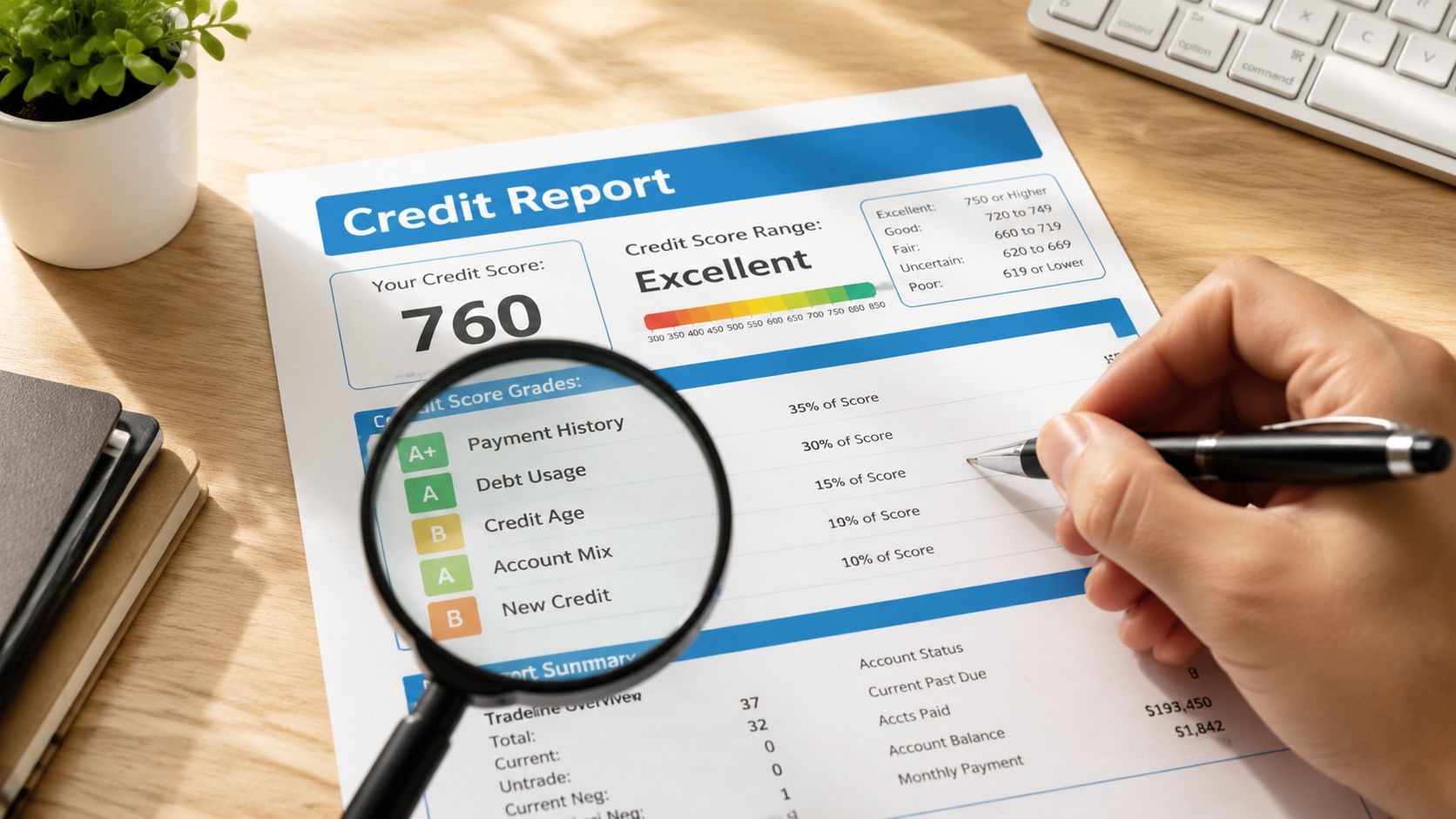
Your payment history makes up a massive 35% of your FICO score, making it the most important piece of the puzzle by far. Consistently paying every bill on time builds a rock-solid foundation for your score, no credit card required.
Even one payment reported 30 days late can knock your score down significantly, while a clean record proves your creditworthiness over and over again. This isn't just about chasing a number; it's about building a documented history that shows lenders you’re ready for a mortgage.
For more details on this topic, review our guide offering important credit education on late payments.
Build Positive History with Credit-Builder Loans
If you're starting with a clean slate or rebuilding after a few financial challenges, a credit-builder loan is one of the most effective tools available. It’s a bit different from a traditional loan, and that’s what makes it so powerful.
Think of it as a loan in reverse. Instead of getting cash upfront, the lender holds a small loan amount for you in a locked savings account. You then make fixed monthly payments over a set period, usually between 6 and 24 months.
Each of those on-time payments gets reported to all three major credit bureaus—Experian, TransUnion, and Equifax. This creates a brand-new, positive tradeline on your credit report, which is exactly what you want lenders to see.
How This Strategy Strengthens Your Profile
This process is a game-changer because it proves you can handle debt responsibly and consistently. It’s a direct signal to mortgage underwriters that you’re a reliable borrower.
And the best part? Once you’ve made all the payments, the full loan amount is released back to you, sometimes with a little interest earned. So not only have you built a stronger payment history, but you’ve also created a small savings fund for yourself.
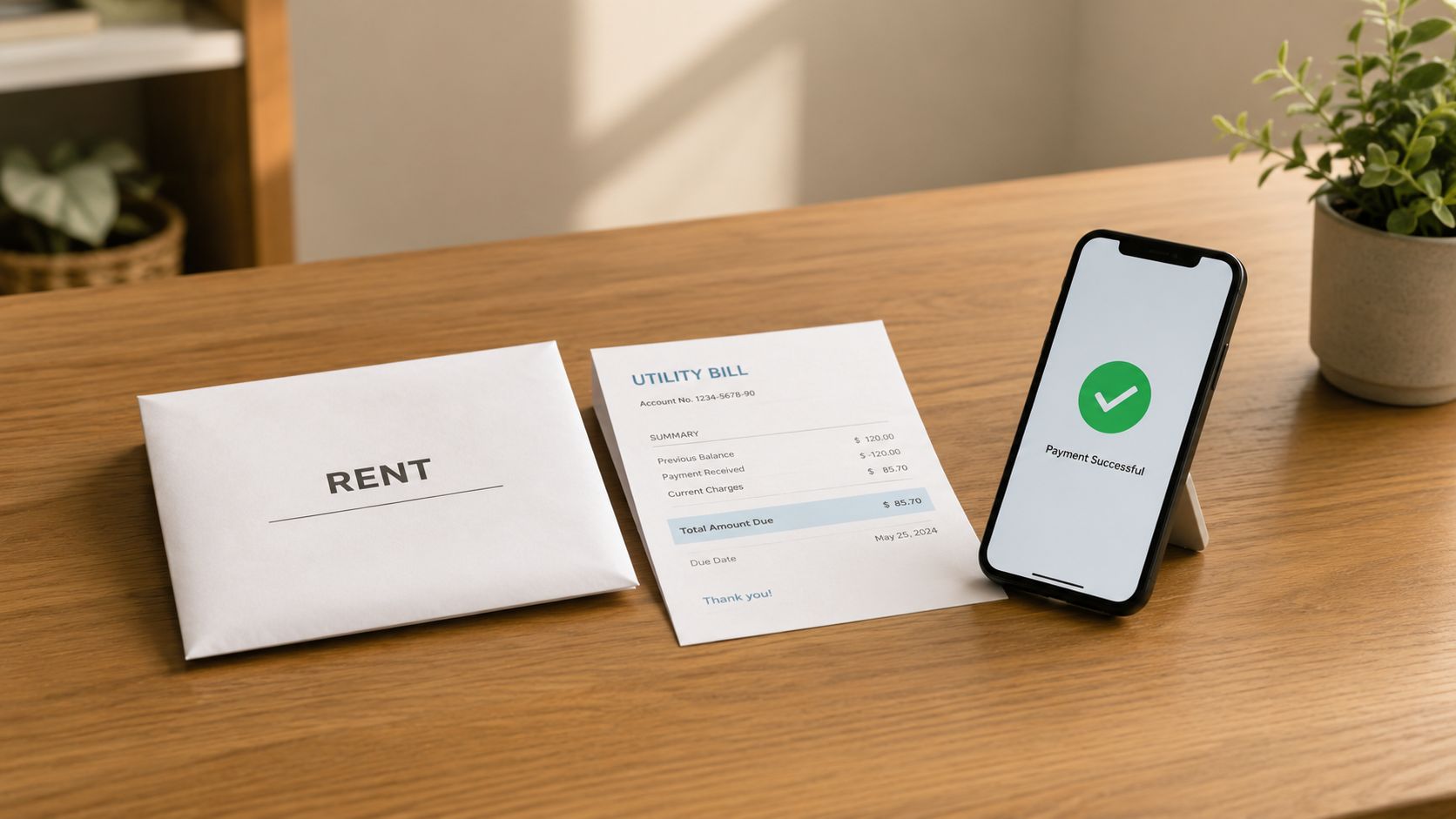
This simple tool also helps diversify your credit mix, a factor that makes up about 10% of your credit score. Lenders gain confidence when they see you can successfully manage different kinds of credit, like an installment loan in addition to any other accounts you might have.
A successful credit-builder loan provides tangible proof to mortgage lenders that you can handle the kind of fixed monthly payments required for a home loan.
The Impact on Mortgage Readiness
When you're preparing to buy a home, every single positive entry on your credit report counts. A completed credit-builder loan is a powerful data point showing you can see an installment debt through from start to finish. It’s one of the most direct ways to demonstrate you’re ready for the commitment of homeownership.
This type of loan is specifically designed for people with thin or damaged credit files, offering a clear path to measurable score improvements without the risk of overspending that comes with a credit card. If you want to dive deeper, you can explore insights on the fastest ways to raise your credit score.
Ultimately, this documented history of reliability can make a difference in getting your mortgage application reviewed favorably.
Leverage an Authorized User Account
What if you could add years of positive payment history to your credit report? It may be possible when you become an authorized user on someone else's credit card.
This is a powerful strategy where a trusted person, usually a parent or close family member, adds your name to their existing credit card account. When they do, their account history—its age, limit, and track record of on-time payments—may appear on your credit report. You're essentially leveraging their good credit habits to give your own score a potential boost.
Choosing the Right Partner Is Critical
This approach hinges entirely on the primary cardholder’s financial discipline. You're linking your credit profile to theirs, so you need to be absolutely sure their account is in stellar shape before you consider asking.
An ideal account to be added to will have:
- A long and spotless payment history: No late payments. This is non-negotiable.
- Very low credit utilization: The balance should consistently be under 10% of the credit limit.
- A high credit limit and a long history: Older accounts with higher limits carry more weight and can have a greater positive impact.

Understand the Responsibilities and Risks
While you are not legally responsible for paying the bill, any missteps by the primary user could hurt your credit. A late payment or a high balance on their end could drag your score down.
Being an authorized user is a reflection of the primary account holder's credit habits. The success of this strategy depends entirely on their consistent financial discipline.
This is why open communication is key. Sit down and set clear ground rules from the start. Will you actually get a card to use, or is this strictly to help your credit score? An honest conversation protects both of you and ensures there are no surprises down the road.
If you're curious to dive deeper into this, check out Superior Credit Repair's tradeline guide.
Make Sure Your Credit Report Is Clean and Correct
Building new credit is a great move, but it's only one piece of the puzzle. One of the most powerful ways you can improve your credit score without a credit card is by addressing the information that's already there.
Think about it: just one inaccurate item—a collection account that isn't yours or a late payment reported in error—can drag your score down and put your mortgage application in jeopardy.
The first step is a simple one: get your credit reports. You have the right to a free report from each of the three main bureaus—Experian, TransUnion, and Equifax—every year. This is your starting line.
Scrutinize Every Detail on Your Reports
Once you have those reports in hand, it’s time to go through them with a fine-tooth comb. Don’t just skim them. You're looking for common errors that are notorious for hurting credit scores.
Here's what to keep an eye out for:
- Accounts You Don't Recognize: This is a major red flag for either a mixed file (where someone else's data is on your report) or identity theft.
- Incorrect Late Payments: A creditor marking you as 30 days late when you paid on time can cause a serious drop in your score.
- Duplicate Negative Accounts: You should never see the same debt listed twice as a negative mark.
- Outdated Information: Most negative items are required to be removed after seven years.
Getting a clear picture of your credit is a crucial step, especially when you're looking into options like Mortgages for adverse credit.
Using the Law to Your Advantage
Found a potential error? You have a legal right under the Fair Credit Reporting Act (FCRA) to dispute it. This is a formal process where you challenge inaccurate information with both the credit bureau and the company that reported it.
The Consumer Financial Protection Bureau (CFPB) has found that a surprising number of people have errors on their reports. Identifying and disputing them is a direct path to a healthier credit profile.
Your credit report is your financial resume, and it's up to you to make sure it's accurate. This isn't just a box to check; it’s a foundational step for qualifying for a mortgage. While every dispute outcome varies, a clean report is the bedrock of a strong credit profile.
Challenging mistakes takes patience and good record-keeping. If you want to learn how to manage this process correctly, our guide can walk you through how to understand credit report fixes.
Frequently Asked Questions About Building Credit Without a Card
When you're taking a different path to build your credit, it’s only natural to have a few questions. Let's tackle some of the most common ones we hear from people who are getting ready to achieve their homeownership goals.
How long does it take to see credit score improvements?
While everyone's situation is unique, you can often see new, positive accounts—like a credit-builder loan or reported rent payments—show up on your credit report within 30 to 60 days. However, it’s important to think of this as a long-term improvement plan. Real, lasting credit improvement is built over time through consistent, positive actions. The results from disputing inaccurate items also vary, depending on the details of the account and how quickly the bureaus and creditors respond.
Do mortgage lenders trust these credit-building methods?
Yes. Mortgage underwriters for FHA, VA, and conventional loans care about one thing above all else: a consistent history of on-time payments. They want to see that you’re a reliable borrower. Whether that proof comes from a credit card or a secured installment loan doesn't matter nearly as much as the behavior itself. By using these strategies, you're building the exact track record of financial responsibility that gives lenders the confidence to approve a loan.
What if I already have negative items on my credit report?
You can absolutely use these strategies, and in fact, you should. Tackling your credit from both sides is the most powerful approach you can take. Think of it as a two-pronged strategy: you’re actively building a new, positive payment history while also working to dispute any old, inaccurate negative items. This combination is key to a comprehensive and effective credit rebuilding strategy. For more answers, you can find additional Credit repair help for homebuyers right here on our site.
Superior Credit Repair can review your credit report, help identify inaccurate or questionable items, and explain a step-by-step plan for improving your credit profile. You can request a free credit analysis or consultation to better understand your options at https://superiorcreditrepaironline.com.
Was this guide helpful?
Superior Credit Repair Online provides educational credit guidance for individuals and families preparing for major financial goals like buying a home, applying for a mortgage, refinancing, or rebuilding after credit challenges.
If this information helped you better understand your credit report or your next steps, we would appreciate your honest feedback. You are welcome to share your experience with Superior Credit Repair on our Google Business Profile. https://share.google/ePRpFvtCXwCjiJwOK