


How shared-card reporting can affect an authorized user
An authorized user may be permitted to use another person’s card without having the primary borrower’s contractual responsibility. An authorized user can compare the utilization ratio on a shared card with the primary holder’s statement before assuming the account will improve a score. Managing credit effectively requires on-time payments by the primary borrower; being added to the card does not control that payment behavior.
The consumer should confirm the actual status before relying on the tradeline as part of a credit application. Credit scores can respond to the shared card’s updated utilization without any formal dispute because a furnisher may report an ordinary balance change. Credit utilization reflects the relationship between reported revolving balances and available limits. An offer to repair credit quickly cannot make a primary borrower’s late payments disappear from an otherwise accurate shared account.
Credit scores will not necessarily change on the payment date because the shared card’s new balance must first be furnished to the bureaus. Issuer policies vary on whether and how an additional cardholder account is reported. Until the issuer furnishes a new balance, the credit score may still reflect the authorized-user card’s prior statement. Any discussion of credit age needs the reporting date so current account information is not confused with an older bureau snapshot. A mortgage lender may evaluate how the borrower has been managing credit independently of an older shared card.
The additional cardholder agreement, not a credit score, establishes whether that person is contractually liable for the card payments. The issuer’s application and additional-cardholder agreement identify who is entitled to use the card and who is contractually responsible for paying it. When the primary borrower pays down a shared-card balance, a credit score may change even though the additional cardholder did not make that payment. Credit age on an authorized-user card may reflect when the primary account opened, but the scoring effect depends on the lender’s model and the issuer’s reporting.
Confirm on the issuer’s cardholder list whether the person is a designated user or a joint borrower; the liability distinction matters. Credit age from a shared card is not guaranteed to help the authorized user; an applicant should also review personal repayment history and existing obligations. A shared-card credit history can appear in the added user’s file without making that person responsible for the original debt.
Before paying anyone to arrange authorized user status, ask who owns the primary account, whether the issuer permits the arrangement and how removal will work.
Who owns the account when you are an authorized user
Authorized user status depends on the issuer’s reporting practice and does not turn the user into the primary borrower. Any credit repair services in Alabama should describe which bureau entry is being examined and why.
Designated-user status means a person is associated with another account holder’s revolving credit line under the issuer’s rules. The account may appear on a file, but scoring systems and individual lenders can treat that relationship differently. The primary holder controls repayment, and a delinquency on the underlying account may have consequences for the authorized user. Paying strangers to add a name to a tradeline can create consumer, contractual and underwriting risks unrelated to a genuine reporting correction. Credit age should never be confused with the number of years someone has personally made payments on that card. Credit age depends on the history the bureau actually receives rather than the consumer’s estimate of account tenure.
High utilization, missed payments, or a mistaken status can also create complications. For an additional cardholder, credit utilization depends on the primary account’s furnished balance and line, even if the user makes no purchases.
A card with a long positive history may appear in an authorized user’s reports when the issuer furnishes it. Credit education for an additional cardholder should explain the difference between being an authorized user and owing money as a joint borrower. An authorized user may benefit from a cardholder’s account age in some scoring systems, but reporting practices and model treatment differ. Before managing credit through someone else’s account, ask the issuer whether the cardholder is reported and whether the account’s balance will appear. Some lenders discount purchased authorized-user history, so credit age alone is an unreliable mortgage strategy.
Different score versions and lenders may treat additional cardholder data differently. The additional cardholder agreement can show whether credit history belongs to an authorized user rather than a person contractually responsible for card payments. To repair credit quickly and lawfully, identify genuine reporting mistakes while keeping the family’s own due dates current.
Different credit scores may treat an additional cardholder differently, so compare the score’s purpose with the lender’s underwriting requirements. Credit scores evaluate the shared line alongside the rest of the consumer’s history, so an older card does not offset every separate delinquency. Managing credit responsibly means keeping payments current on accounts the applicant actually owes, rather than depending on a relative’s available card limit. Credit age reflects the age of eligible reported accounts, but mortgage models may treat an authorized-user line differently. Ask the issuer which opening date it reports; credit age is not determined by the day the extra card arrived.
The credit limit is not a direct measurement of the funds available to meet household expenses. The same authorized-user entry can reflect timely payments or high balances; compare the bureau data with the primary cardholder’s statement. After the shared line appears, a credit score also reflects the applicant’s own loans, inquiries, and payment history. An advertisement saying “add tradeline to credit” should be checked against the issuer’s actual authorized-user policy. Before relying on shared tradelines, credit applicants should ask the issuer which people it reports, since lenders treat them differently.
A credit report review should compare the additional cardholder agreement and issuer reporting dates before challenging whether the authorized user relationship is coded correctly. Credit education for an added cardholder should cover statement dates, payment responsibility and how an issuer reports the account. The primary borrower, not the added person, controls whether the original line continues to contribute credit age. A long-standing authorized-user entry may stop contributing credit age if the primary account is closed or no longer furnished.
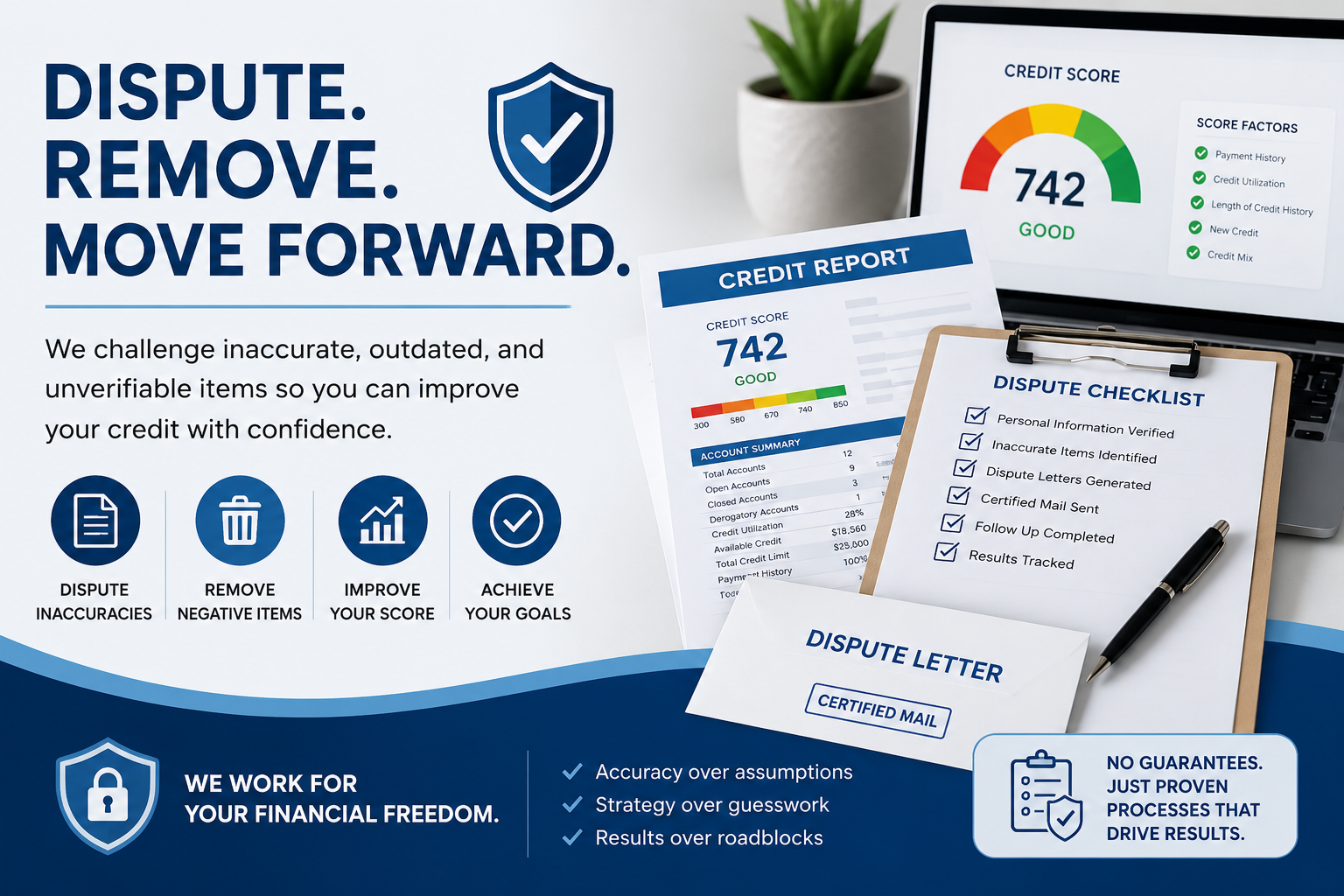
Why the primary cardholder’s behavior matters
For the specific disputed field, a credit score cannot establish whether the current reporting date contains inaccurate information. A late payment on the shared account can affect the authorized user’s reported history. Different credit scores can arise because models evaluate authorized-user information differently even when the same account appears on the reports. When credit history for an authorized-user account shows the wrong relationship or payment dates, compare the issuer’s records before submitting a dispute.
Can I repair credit near me if an authorized-user account belongs to my relative but shows errors?
The primary holder’s account history may appear in an authorized user’s file, and errors require accurate source records. Credit utilization on an authorized-user line can rise if the primary borrower makes a large purchase before statement close. Lenders can apply policies addressing authorized-user information when evaluating a real application. The additional cardholder agreement helps distinguish shared-card credit history from a disputed charge on an account the consumer owns directly. Building credit cannot require lenders to approve applications or assign a particular score to the consumer. If a shared line is removed, the credit age calculation can change even when no debt is paid off. An inaccurate opening date should be checked before using credit age as part of a broader loan-preparation plan.
A purchased tradeline cannot create legitimate personal payment history that never occurred. The issuer agreement confirms whether the shared account is eligible for reporting and whether the primary borrower can end access. Keep a dated copy of credit history so subsequent bureau updates can be compared with the earlier information. For an authorized user card, the issuer’s actual account designation matters more than a favorable score forecast from a marketing offer.
An older account may change the visible age distribution of reported accounts without changing who actually incurred the debt. One credit score can differ from another even when both are based on accurate information from separate bureaus. Credit age may rise after an older legitimate account appears, yet new inquiries and high balances still matter.
Only the card issuer determines whether and how an authorized-user account is furnished; a paid adviser cannot override that reporting decision. Paying for help with building credit makes sense only if the adviser names the specific reporting error and says who will hold your documents. Credit utilization on an authorized user card can influence some models, but the primary account statement is needed to confirm the actual balance and approved limit.
Know the distinction between an additional user and a borrower
An additional cardholder is not necessarily a joint borrower or a cosigner under the card agreement. A shared card that was opened years ago may add credit age on some files only after the issuer furnishes the added person. For a young borrower, credit age from a genuine family card can help some models without promising an approval.
Reporting incorrect liability is a distinct issue from choosing to remain an additional cardholder. Do not buy an offer that says “add tradeline to credit” without establishing who owns the account and what the consumer may lawfully use. When inaccurate responsibilities appear on the relevant tradelines, credit bureau corrections still require documentary support.
Authorization should be reviewed under the issuer’s terms and any actual consent from the primary owner.
The primary holder’s card statement can help a credit restoration service determine whether an authorized user designation or reported balance is wrong. The primary cardholder’s contract determines who is responsible for the ordinary payments. Learning how to build a credit history through a relative’s card requires accurate issuer reporting and responsible payments by the primary borrower.
Verify the shared-card relationship before requesting a change
A consumer should verify whether the issuer actually furnished authorized-user information and whether the recorded relationship is correct. Misattribution can be disputed with evidence, while disappointment that a model assigned little benefit does not show an error. Opening an affordable account under one’s own control may be a different long-term decision, but it also requires attention to fees and payments. The credit history shown to a lender may include closed accounts and the records of their past repayment. Credit history length can be relevant to scoring, but a shared card does not promise that a mortgage lender will give it the same weight.
A seemingly favorable old card can become less helpful when the balance rises sharply. Credit utilization should be evaluated alongside interest costs rather than an arbitrary target score. Offers of credit profile numbers can raise identity and lending problems rather than repair an existing inaccurate account. Different credit scoring models may treat an authorized-user account differently, so a shared card’s effect should never be assumed from one app score. When the primary cardholder misses a payment, the credit score of a reported authorized user may suffer.
The primary cardholder’s statement balance can influence the account data displayed for an authorized user. The consumer should not control another person’s spending merely to obtain an uncertain scoring result. Credit history from an authorized user card should be checked against the issuer’s agreement before asking to change the reported account relationship.
Before relying on a shared line, ask the primary cardholder whether the card is close to its limit and how payments will be maintained. The presence of credit profile numbers in an advertisement is a warning to verify the provider’s practices before sharing documents. An application’s credit score is only part of underwriting; lenders also verify obligations and current income.
The credit limit reported for an authorized user on a shared card should match the issuer’s approved line, regardless of whether the person owes the debt. The primary borrower’s new purchases can raise utilization for anyone whose file includes that shared line; track the statement balance.
How accurate authorized-user history influences a score
An authorized user may receive reporting history associated with another cardholder, but the effect on a credit score depends on the model and lender. Credit age can therefore look different from the length of a person’s own independently managed history. Because one shared tradeline is only part of the file, a credit score cannot be predicted from that addition alone. If the issuer closes the shared account, a credit score effect may appear only after a later furnishing cycle.
A credit history review should distinguish the primary holder’s obligations from an authorized user designation. High credit utilization on a shared card may affect some credit scores even when the user did not make the charges.
The credit limit and payment status should be confirmed with the issuer before relying on an authorized user account for a financing decision. Claims of automatic credit score improvement deserve scrutiny. A guide to how to build a credit file should explain why secured cards differ from purchased authorized-user placements. Do not confuse credit profile numbers marketed online with a legitimate credit file tied to the borrower’s real identity. Before attributing a credit score change to the shared card, compare the issuer’s last update date. The reported balance matters to the credit score even when the authorized user does not make purchases.
Paid tradeline arrangements can create risks and may be discounted by scoring models or lenders. Different credit scoring models can evaluate the same reported information without producing identical numbers. Paid placements are not a substitute for genuine account history. A credit limit attached to an authorized-user account does not make that person the primary borrower. Written issuer terms should show whether the cardholder can incur charges or only view activity. During a free credit evaluation, ask whether the additional-user line has the correct opening date and responsibility code. A short credit history length may remain a factor even after an additional-user card is reported. Authentic credit tradelines are records of real obligations or authorized use, not a replacement identity.
Questions about the reporting decision
An authorized user may see an account appear on a bureau file even though the primary account holder bears the contractual repayment obligation. A mortgage application should never use credit profile numbers as substitutes for a lawful Social Security number. The credit score could remain unchanged if a particular model excludes the additional-user tradeline.
Could adding a stranger’s tradeline help me repair credit near me safely?
An additional cardholder’s status should be distinguished from joint ownership using the issuer’s account agreement. Discuss the authorized-user status documentation
Removal may affect future scores
The credit utilization shown for an additional cardholder can change when the primary borrower makes purchases before the issuer’s statement closes. Credit age reflects how long relevant accounts have existed, but it does not justify borrowing that cannot be repaid. A removal request should not include a false assertion that an authorized relationship never existed. The utilization ratio can fall after the primary account’s payment is posted, even though ownership and responsibility remain unchanged. The timing of any credit score improvement depends on when the issuer supplies the account and which model the lender uses. The useful result of a free credit evaluation is a list of verifiable account fields, not an invitation to rent an account.
A new installment loan may change credit age even while an accurately reported older account remains visible. The account’s deletion or status update may change the information available to some scoring models. The credit score shown by an app may count a shared card differently from a lender’s mortgage model. An earlier credit score cannot show how a newly added card will be treated once the issuer reports it.
The primary account owner or issuer may be able to remove an authorized user under the product’s procedures. Revolving utilization credit figures in a monitoring display depend on the card balance and credit limit furnished by the issuer. An honest free credit evaluation should flag both the possible benefit and the risk of the primary borrower missing payments.
If the primary cardholder paid late, a credit report repair service has no lawful way to erase those accurate months from the authorized user entry. Even a high credit score will not make the additional cardholder the legal owner of the primary borrower’s debt. Credit score comparisons should use the same scoring model and date range whenever possible.
A utilization credit indicator on a monitoring app may lag the issuer’s statement if the card balance has not yet been furnished to the bureau. A credit report repair service can check whether an additional cardholder is mislabeled as liable for the debt, but the issuer controls the account relationship. Credit score improvement is possible only if the reporting model counts the shared history and the rest of the file supports it. A free credit evaluation should identify which bureau actually shows the shared card before discussing its scoring impact. Credit tradelines should be examined for the right ownership code, dates and balances rather than purchased for an advertised point increase. When several authorized users share an account, credit limits should be checked against the actual issuer statement rather than added together as separate borrowing capacity.
Check whether reporting is accurate
A mixed file can assign an account to the wrong person or list an authorized user as personally liable. A credit report repair service should address the field actually wrong rather than market generic score boosts. Accurate credit history can include unfavorable events that continue to affect financing decisions. To understand how tradelines work, first verify whether the issuer reports authorized users at all.
The issuer’s authorization record and a dated bureau report can establish the error. A credit limit on the primary holder’s card may affect utilization; it does not make unrelated accurate late payments eligible for a dispute. Credit score improvement after adding a user is not permanent if the primary account later develops high balances. A free credit evaluation can compare statement dates without promising a particular number of points.
When an authorized user account shows the wrong balance or owner, point to the issuer statement that proves it rather than mailing the same broad dispute again. A dated bureau entry illustrates how tradelines work when an authorized-user account is added or removed.
When the next loan is a mortgage
The primary cardholder may ask the issuer to remove an additional cardholder; the resulting bureau update could also remove that shared history. A promise of exact credit score improvement ignores the risk that the primary borrower can remove the user. Before a free credit evaluation, download the current bureau files so the adviser can reference an actual reporting date. Different models can produce different credit score results from the same shared-card data and reporting date. The credit score is not a substitute for verifying the issuer’s responsibility code on an authorized-user account.
An advertised point change is not a substitute for financial reserves, income documentation, or affordable debt payments. Underwriters may examine the applicant’s own obligations and whether designated-user accounts reflect meaningful personal history.
A company working on designated-user accounts should name the document behind each requested change and admit that the bureau and issuer decide the outcome. A credit restoration service should not promise mortgage approval from an added tradeline. A lender’s view of how tradelines work may exclude shared card lines from parts of its mortgage underwriting.
The credit limit on an authorized-user card may change after the original agreement, so compare the bureau figure with the issuer’s latest effective limit notice. Credit utilization depends on the revolving balances and available limits actually furnished. A change in credit utilization may be visible only after the next statement-close update. For mortgage preparation, compare credit utilization with the household’s ability to repay debt instead of chasing a score promise.
During credit restoration, a dispute involving an additional cardholder should rely on the issuer’s authorized user agreement and the specific reported field. A claim of credit score improvement from a rented account deserves scrutiny if the borrower cannot verify the underlying agreement. An issuer’s removal confirmation clarifies how tradelines work after someone stops being an additional cardholder. Because credit limits can change without the added user’s consent, the primary cardholder’s latest notice matters more than a predicted score increase.
The additional cardholder agreement can establish whether a designated-user status is accurate even if the issuer has not yet sent the latest update. Learning how tradelines work requires separating the primary borrower’s liability from an additional user’s access.
The authorized-user account and the primary borrower’s behavior
An authorized user may receive reporting history from a cardholder’s account, but that history can also contain high balances or missed payments. Changes to the reported balance may follow the next billing cycle rather than the date the bank app refreshes. An authorized-user account can show an issuer’s updated balance after the primary holder’s statement cycle reaches the reporting agency. A person who is not contractually liable should still verify that the furnished relationship is described correctly. Scoring systems and lenders may distinguish authorized-user activity from accounts for which the applicant is directly obligated. Mortgage underwriting often uses credit scores that differ from the ones displayed in general-purpose consumer apps. A large balance posted by the primary cardholder shortly before statement closing can lower credit scores associated with a shared card. Depending on the model, different credit scores may assign less weight to an authorized-user account than to a borrower’s own loan. An older shared tradeline does not guarantee that credit scores will improve when an issuer begins reporting it. Removing the authorized user from the account may change credit scores after that history disappears from the applicant’s report. Discuss credit scores alongside the primary borrower’s payment habits, reported card limits, and the applicant’s own legal obligations. When one bureau receives the shared-card update later than the others, its credit scores may temporarily reflect different account information. The same primary card may influence credit scores differently for two authorized users because their remaining accounts and payment histories differ.
Paying an unrelated person for an account addition carries costs and identity risks without assuring a lending benefit. An authorized user may receive account history from a cardholder, but lender models may evaluate that relationship differently. A lender may consider the account relationship when evaluating the applicant’s own borrowing record. A cardholder should check whether the authorized-user tradeline reflects the primary account’s statement closing and payment dates. The reporting agency needs a precise account identifier if a status is recorded incorrectly. A genuine inaccurate authorized-user entry should be investigated through the issuer and appropriate bureau procedures. The primary account’s balance helps explain how tradelines work when usage rises despite the added person making no purchases. The amount of credit actually available should be checked against the dated issuer statement. Borrowing the maximum amount of credit can add payment pressure without improving the account’s accuracy.
- Credit Repair Timeline
- Credit Repair Near Me
- Mortgage Approval Credit Repair
- Credit Repair Consultation
- Bad credit mortgage brokers near me
- Can i get a mortgage with a 550 credit score
- Can you get a joint mortgage if one person has bad credit
- FHA loan bad credit
- FHA loan minimum credit score requirements
- First time home buyer programs bad credit
- Hard money home loans for primary residence
- Home loans for 500 credit score
- How much down payment for a mortgage with bad credit
- How to buy a house with bad credit
- How to fix credit score quickly for a mortgage
- Minimum credit score for home loan
- No credit check mortgage lenders
- Portfolio lenders for bad credit
- Rent to own homes no credit check
- Subprime mortgage lenders
- Unconventional mortgage loans with bad credit
- USDA loan credit score requirements
- VA loan with poor credit
Related account reading: troy Alabama home loan credit report review · fast track credit rebuilding program · trussville Alabama home loan credit report review
Compare the current file with the authorized user agreement
If another person’s payment history appears incorrectly, the account relationship and the furnisher’s actual records deserve separate attention. Review the authorized user concern