
Does it help your credit score to pay off collections? For a West Yellowstone, Montana consumer, the accurate answer is: it can, but a score increase is not guaranteed, and the result depends on the collection, the way it is updated, the scoring model being used, and the rest of the credit file. Paying a valid collection can reduce an unpaid obligation and may satisfy a lender, landlord, or creditor requirement. It does not automatically remove the account from the reports, and an older scoring model may continue to consider the collection history even after the balance becomes zero.
This West Yellowstone MT Credit Score Help Guide is built around that single decision. It explains how to identify the account, compare score-model treatment, document payment or settlement, verify the report update, and decide whether the action serves the consumer’s real financing goal. It is not a general credit-repair article with a collection paragraph added to it. Every section answers a part of the title and keyword: what paying a collection changes, what it may not change, and how to measure the result without relying on a point promise.
A single, well-documented collection may be manageable without assistance. The situation becomes harder when creditor and collector names differ, amounts conflict, an old account appears more than once, or a promised zero balance does not reach every bureau. In that circumstance, professional report review can help identify the actionable reporting question while leaving payment, legal, and lending decisions with the consumer and the appropriate professionals.
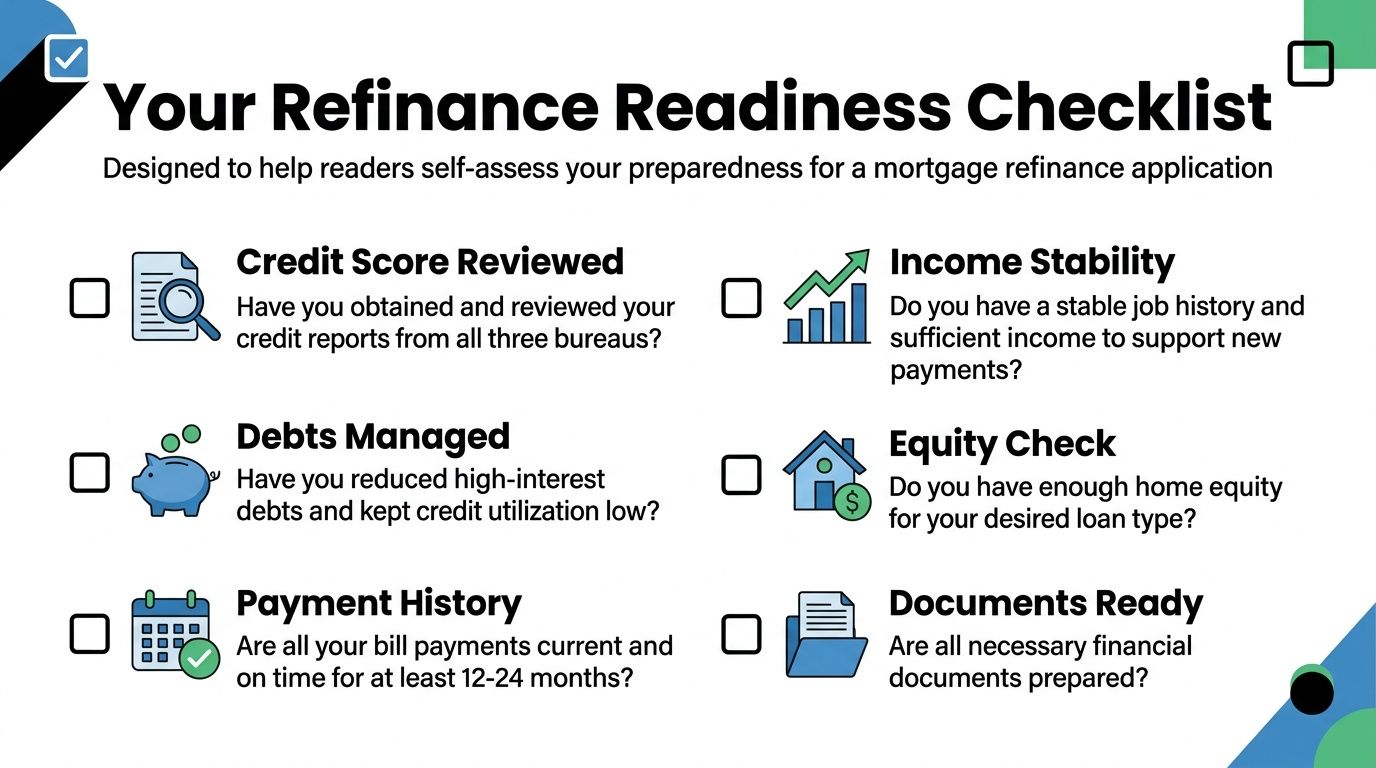
The Score Effect Depends On Four Collection Facts
First identify the score model. FICO states that paid third-party collections are disregarded by FICO Score 9 and the FICO Score 10 suite, while the effect of paying a collection on a particular FICO score can still be an increase, a decrease, or no change because the reported update and the rest of the file also matter. VantageScore 4.0 says it ignores paid collection accounts. A score shown by a monitoring app may therefore react differently from a score a specific lender obtains. The consumer needs the model name and purpose before treating any displayed number as proof of a lending outcome.
Second determine whether the account is a third-party collection or an original creditor’s internal collection. Modern scoring exceptions described by FICO focus on third-party collections. An original creditor may still report its own charged-off or delinquent account separately, so paying the collector does not necessarily change every related tradeline. The West Yellowstone worksheet should list the original creditor, current owner, collector, and all matching report entries. That map helps the consumer understand which line is expected to update.
Third distinguish medical from non-medical debt. Credit-reporting practices and scoring treatment for medical collections have changed, including the removal of paid medical collections and certain low-balance medical collections from nationwide bureau reports. A consumer should not assume those policies apply to a utility, card, lease, telecommunications, or other non-medical obligation. The type of debt belongs in the first row of the analysis because it can change both what should appear and how a scoring model may treat it.
Fourth examine the rest of the report. If the collection is the only serious negative item, a zero-balance update may matter more than it would in a file with recent late payments, maxed cards, another unpaid collection, and several new accounts. That does not make payment pointless; it explains why the visible score response may be modest. Score help begins by isolating the exact variable being changed and refusing to claim that one action controls the entire calculation.
Verify The West Yellowstone Collection Before Sending Money
Collect the latest reports and every letter, email, bill, insurance explanation, lease record, or creditor statement connected with the account. Record the collector’s legal name, contact information, account reference, original creditor, amount claimed, date of first delinquency when available, and status shown by each bureau. A familiar amount is not enough. The consumer needs to know whether the collector has the right person, the correct debt, the correct balance, and a reporting entry that matches the underlying records.
Check for signs that research should come before payment: an unknown original creditor, a duplicate entry with no clear transfer history, dates that appear inconsistent, an amount that conflicts with statements, a medical balance that should have been adjusted by insurance, or a collector that cannot explain the account. If the report is inaccurate or incomplete, identify the exact field and prepare a supported dispute. Paying first can make practical resolution harder because the consumer has changed the account without resolving the factual question.
Validation of the debt and correction of bureau data are related but distinct tasks. A collector communication can help establish what is being claimed. A credit-report dispute challenges inaccurate or incomplete information shown by a bureau and should also be sent to the company furnishing the information when appropriate. Keep copies of both tracks. A phone statement such as “this will help your score” is not evidence of ownership, amount, deletion, or scoring treatment.
Montana consumers should also consider the age of the debt and any legal consequences before making a partial payment or written acknowledgment. Credit-reporting time and the time allowed for a collection lawsuit are not the same concept. This guide does not determine a legal deadline. When the age or enforceability of the obligation is uncertain, obtain qualified Montana legal advice before taking an action that could affect rights. That is a decision safeguard specific to the collection question, not a reason to ignore a valid account.
Compare Payment, Settlement, Deletion, And Dispute Outcomes
| Possible action | Expected report objective | What to verify afterward | Score conclusion |
|---|---|---|---|
| Pay valid debt in full | Collection reports a zero balance or paid status. | Amount, balance, status, update date, and related creditor entry. | May help under some models or file conditions; no fixed increase can be promised. |
| Settle valid debt | Accepted settlement is reflected with no remaining collectible balance. | Written settlement terms, receipt, zero balance, and accurate status wording. | Some newer models treat a zero-balance third-party collection as paid, but lender review can still differ. |
| Negotiate deletion | Collector agrees in writing to request removal, if its policy permits. | Actual deletion on every bureau named in the agreement. | Removal changes the report data used by a model, yet the total score result still depends on the file. |
| Dispute an error | Incorrect ownership, amount, dates, status, or duplication is corrected or removed. | Investigation response and a fresh report showing the precise result. | Correcting harmful data can affect a score, but accuracy is the standard for the dispute. |
| Take no immediate action | Preserve funds or rights while obtaining records and advice. | Calendar for follow-up, creditor documents, and lending requirement. | The collection may continue to influence older models or manual review while it remains. |
“Paid” and “deleted” are not synonyms. The Consumer Financial Protection Bureau describes a paid collection as one that was paid in full or settled and generally should report a zero balance when it was previously furnished to the bureaus. The historical entry may remain. If deletion is part of a negotiated arrangement, obtain the term before payment and later verify that the report follows it. Do not infer deletion from a representative’s statement that the account will be “resolved.”
A settlement should name the account, accepted amount, due date, and effect on the remaining balance. Save the agreement before transferring funds, then keep the receipt and bank record. When the next reports arrive, compare each field. If the balance still appears unpaid, the settlement documents provide a factual basis for follow-up. This documentation can be valuable even when the consumer never sees an immediate score change because a lender or housing provider may ask whether the debt remains outstanding.
When Collection Reporting Is Too Complicated To Review Alone
Professional help may be practical when the report does not tell one clear story. A West Yellowstone consumer might see the original creditor on one bureau, a debt buyer on another, and a collector with a different amount on the third. The consumer may also have a settlement letter that does not match the current status. Sorting those records takes time, and sending a vague dispute can leave the important inconsistency unanswered.
Superior Credit Repair can compare the collection entries across the bureaus, organize notices and payment records, and identify potentially inaccurate, incomplete, duplicated, obsolete, or unverifiable reporting for closer review. When the client’s documents support a specific problem, the service can help prepare an appropriate bureau dispute or furnisher communication. After a response, it can track whether the collector name, balance, status, dates, or duplicate entry changed as expected.
That assistance does not decide whether a valid debt should be paid, settle a legal dispute, or promise that deletion or payment will increase a score. Its value is narrower and more useful: clarify what is being reported, connect the evidence to the disputed field, and maintain a record of what each bureau did. The consumer can then make the payment or financing decision with a cleaner factual file.
When the collection map contains conflicting entries or an update has stalled, get professional help untangling the West Yellowstone collection report. Bring the latest bureau copies, collector letters, agreement, and proof of any payment so the review starts with the account’s actual history.
Separate A Score Goal From A Housing Approval Goal
A West Yellowstone resident may be asking about collections because of an apartment application, mortgage, auto loan, business need, or general score recovery. Write the use case at the top of the page. A lender may care about an unpaid obligation even when the model score would barely move after payment. A landlord may require proof of resolution. A mortgage underwriter may apply loan-program rules or request an explanation. The correct action is the one that addresses the real decision, not necessarily the one that produces the largest number in a consumer app.
If a home purchase is the objective, ask the prospective lender which score version and collection requirements are relevant before paying solely to chase points. Mortgage scores can differ from scores supplied by free services. The CFPB notes that people have multiple credit scores and that scores vary with the model, bureau data, and lending purpose. A monitoring score is useful for observing trends, but it cannot substitute for the lender’s criteria.
For consumers considering Montana Board of Housing assistance, current state information adds a concrete threshold to the conversation. The Bond Advantage and MBOH Plus 0% Deferred down payment assistance descriptions list a minimum credit score of 620 for all borrowers, require homebuyer education, and require an eligible Montana Board of Housing first mortgage. MBOH Plus also lists a debt-to-income cap and income limits. Those facts do not tell a West Yellowstone applicant to pay a collection; they tell the applicant to ask a participating lender how the particular collection, score version, debt ratio, and application timing interact.
Suppose a consumer score is 617 and an unpaid collection is present. It would be misleading to promise that payment produces the extra points needed for a stated program minimum. The defensible plan is to verify the debt, obtain the lender’s score and explanation factors, review other high-impact report information, and decide whether payment is required or strategically useful. The target remains a qualifying file, not a guessed three-point transaction.
Create A Written Collection Resolution Agreement
Before paying, request terms that can be understood without a phone call. The document should identify the collector, the original creditor, the consumer, the account, the amount accepted, the payment deadline, whether the amount satisfies the obligation, and any promised reporting action. Avoid sending money based only on broad phrases such as “credit improvement” or “account handled.” Neither phrase defines what the bureaus will receive.
Choose a payment method that produces a record and does not expose more account access than necessary. Save the confirmation page or receipt, then note the expected reporting period communicated by the collector. If the payment will be made in installments, clarify whether the account reports a declining balance, a settlement arrangement, or no change until the final installment. The score question cannot be evaluated until the report change is known.
After the payment date, monitor all bureaus on a reasonable schedule and retain versions. The first comparison should answer: did the balance become zero, did the status change, did the collector name remain the same, did a related original-creditor entry change, and was any agreed deletion completed? If the update is wrong, contact the furnisher and bureau with the agreement and proof. Do not open a new generic dispute that fails to identify the breached term.
Record scores only when the model, bureau, source, and date are known. A useful log might show “FICO Score 8, Equifax data, before update” and “VantageScore 4.0, TransUnion data, after update.” Comparing unlike scores can create a false success or failure. The West Yellowstone score-help plan measures the actual report correction first and interprets score movement second.
Work Through Three Collection Examples
Example one: valid non-medical collection with a mortgage deadline
A borrower recognizes an old utility balance, confirms the current collector, and learns from a loan officer that the unpaid account must be resolved for the intended loan file. The borrower obtains a written settlement showing that the accepted payment satisfies the balance, pays with a traceable method, and verifies the zero-balance update. A newer consumer score may improve, while an older mortgage score may react differently. The action still served the loan requirement and produced documentation for underwriting.
Example two: duplicate account with conflicting amounts
Two entries refer to the same original creditor, but the collectors and balances differ. The consumer does not choose one at random and pay it. Records are requested, transfer information is compared, and the inaccurate duplicate or amount is disputed with supporting pages. The central issue is accuracy. Any later score change comes from correcting the report data rather than purchasing deletion through an unsupported payment.
Example three: small medical collection
A medical item appears in a monitoring alert, yet it is absent from one current bureau report and the amount conflicts with an insurance adjustment. The consumer checks the other reports, contacts the provider about the account history, and reviews current medical-collection reporting rules before paying. If the balance is valid, payment can resolve the debt; if the report should not contain it under current policy, the correction request should identify that specific problem. Medical treatment must not be assumed from advice aimed at ordinary third-party collections.
These examples reach different actions because the facts differ. A collection plan is specific when another West Yellowstone reader can see why payment, dispute, or investigation was selected. It is generic when it treats every collection as a button that buys points.
Follow A 30-Day West Yellowstone Score-Help Plan
- Days 1-3: Obtain current reports, list every collection entry, and label the scoring or lending goal.
- Days 4-7: Match collectors to original creditors, compare dates and amounts, and gather notices or statements.
- Days 8-12: Ask the lender or housing provider what must be resolved; identify the score model when possible.
- Days 13-17: Dispute a documented reporting error, request legal guidance for an old or uncertain debt, or negotiate written terms for a valid account.
- Days 18-21: Complete the selected action only after the agreement or evidence file is ready.
- Days 22-30: Save confirmations, set report-review dates, and monitor the rest of the credit file for on-time payments and balance changes.
Place the collection decision on HOLD when ownership is unclear, the amount conflicts with records, the agreement is verbal, the score model is unknown but points are the only reason for payment, or the consumer may need legal advice about an old debt. PASS means the account is identified, the objective is documented, the expected report change is written, and the consumer understands that score movement cannot be guaranteed.
The 30-day period is an organization window, not a promise that every bureau or scoring update will finish within a month. The final calendar entry should name the date on which a fresh report will be compared with the payment or dispute record. If the collector has not furnished the expected zero balance by then, the consumer can present the written agreement and receipt in a precise follow-up. If the report is accurate but the score did not change, the next review should examine the model and the remaining score factors instead of repeating the same collection payment.
Sources Behind This Collection Guide
- FICO: how collections affect FICO Scores
- Consumer Financial Protection Bureau: definition of a paid collection
- Consumer Financial Protection Bureau: understand score differences and report errors
- VantageScore 4.0 user guide: paid collection treatment
- Montana Board of Housing: down payment assistance requirements
The sources support the model distinctions, paid-status expectations, and Montana lending context used here. Because scoring systems, bureau policies, and housing programs can change, verify the current rule and the score actually used for the planned application.
Get Help With A Specific West Yellowstone Collection
A West Yellowstone consumer who still cannot reconcile the collector, balance, status, or promised update has a specific reason to seek help. Superior Credit Repair can review those collection details, connect supporting records to a potential reporting error, prepare an individualized communication when appropriate, and monitor the bureau results.
Payment and dispute outcomes remain file-specific, so the service cannot promise deletion, points, or approval. To move from conflicting collection information to an organized review, request a West Yellowstone collection and credit-score review.