

Putting baseline report inventory in order before the next choice
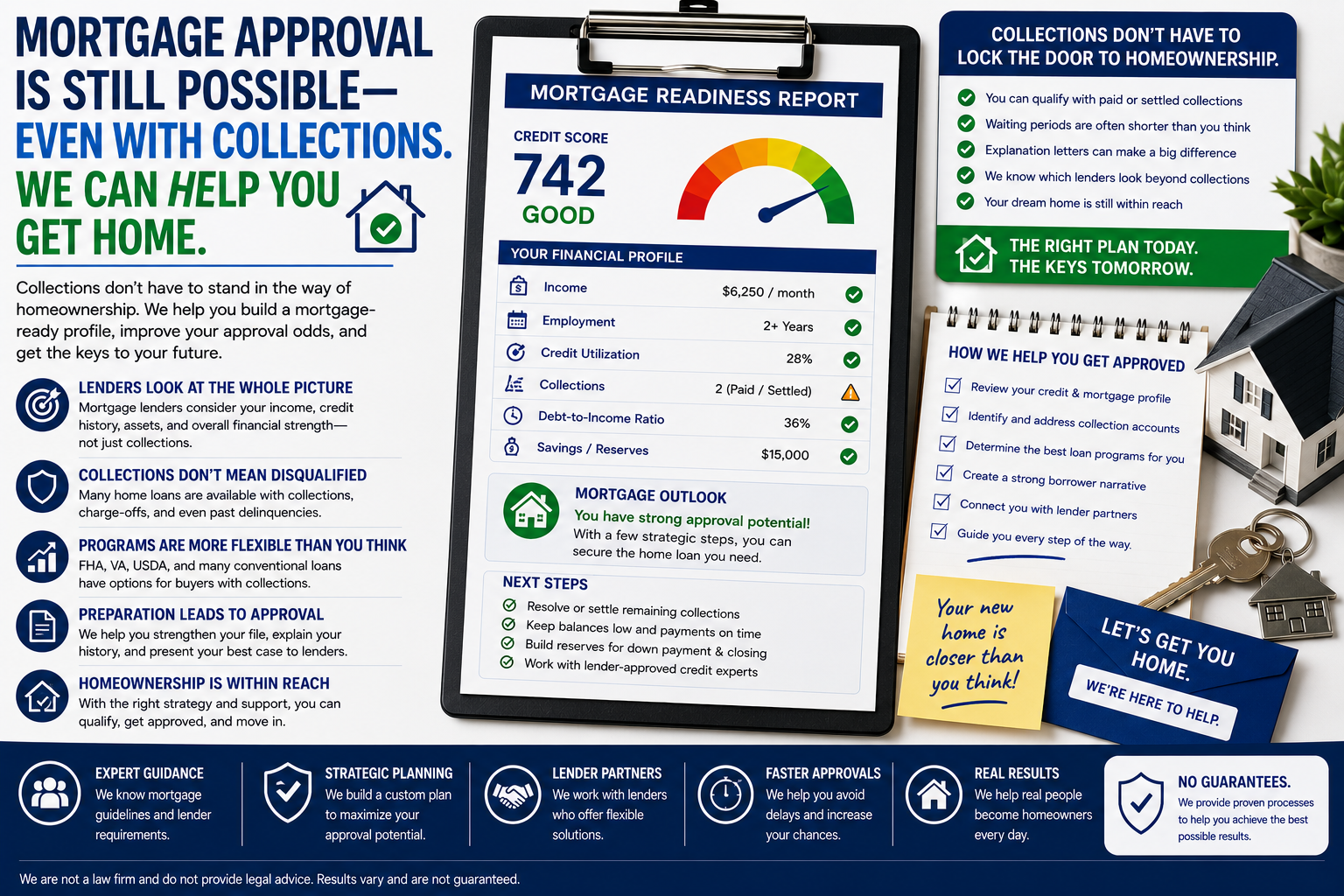
In Rome, Georgia, the geographic reference adds context without proving an account detail so the next move remains account-specific. During a Georgia consumer review of mortgage-readiness credit review, split dispute remarks from monthly-payment fields in the evidence worksheet. It also keeps the cross-bureau comparison work from becoming one broad, hard-to-audit task.
In the Rome worksheet, keep monthly-payment fields distinct from account status fields. Separate workstreams make the reason for each action easier to see, especially when one issue is factual and the other is financial. At this Rome stage of the report-file audit, keep distinct notes for revolving balances and monthly-payment fields. Separate notes reduce the chance that one concern drives unnecessary changes elsewhere.
In the Rome worksheet, split monthly-payment fields from open and closed tradelines in the evidence worksheet. This gives each question its own evidence, decision, and follow-up path. As the Rome cross-bureau comparison work continues, cross-check revolving balances in relation to lender condition notes ahead of the next planning milestone; and note which source would change the conclusion.
A practical Georgia approach to positive credit rebuilding
While organizing home-loan credit assessment in Rome, put payment confirmations next to account status fields and sort the issue as clear, requires follow-up, or not a credit-repair question; and keep the proof source in the same folder.
As the Rome positive credit rebuilding work continues, note the documentation question for recent inquiries before gathering more paperwork. A statement, receipt, bureau response, identity record, or account history matters only when it addresses the field in question.
Imagine a borrower who paid down cards before preapproval in the Floyd County area area. If a later report reveals a new inquiry that needs an explanation, organize saved bureau reports in relation to creditor statements and attach the supporting date to the review entry.
When payment-history timeline deserves a closer look in Rome
At this Rome stage of the report-file audit, do not assume a paid balance automatically changes every reporting field; instead, compare revolving balances with lender condition notes before assigning a dispute, rebuilding, or lender question. While organizing mortgage report-file check in Rome, do not discard old records before the account history is understood; instead, build the subsequent step from creditor statements and the present status of dispute remarks.
Consider a consumer comparing reports before a home search in Rome. Where the file contains a status that differs across bureaus, cross-check collection notices alongside account histories and attach the supporting date to the review entry.
In the local Rome planning notes, the review should distinguish location planning from credit-report accuracy without treating a place name as credit evidence. For the Floyd County area planning file, each update to open and closed tradelines should be recorded alongside its source and review date. Fresh account histories can justify a new conclusion, but the prior version should remain in the documentation trail.
As the Rome payment-history timeline work continues, do not rely on a score screenshot without the underlying reports; instead, tie charge-off reporting in relation to identity records and write down the supported conclusion. For a Georgia household working through homebuyer credit-file assessment, keep a dated before-and-after entry whenever monthly-payment fields change. If written bureau responses change the conclusion later, retain both records in the Rome credit-report review for a home loan.
During this Rome payment-history timeline pass, use this guardrail: a dispute should not be used as a substitute for managing accurate debt. After relateing bureau-to-bureau differences with collection notices, document the result and identify who should handle the next review.
Rome: a clearer look at collection and negative-account review
For a household in Rome, the location is useful context, but it does not establish an account fact so the working record remains useful beyond this page. When a Georgia reader evaluates credit-report review for a home loan, decide first whether a duplicate-looking account matches the documentation available. Supported information calls for a different plan than an actual bureau-file error. If the evidence differs from the report, isolate the exact field and preserve the reference document.
Why the record matters here
For a household in Rome, the review should distinguish location planning from credit-report accuracy without letting geography substitute for account evidence. As the Rome collection and negative-account review work continues, do not rely on a score screenshot without the underlying reports; instead, match monthly-payment fields next to collection notices and write down the supported conclusion.
Why the record matters here
Think about a consumer comparing reports before a home search while working through credit-file review for mortgage planning in Rome. If the report shows a collection with conflicting ownership data, trace creditor statements next to payment confirmations and preserve the document behind the current assessment.
What a second file check can reveal
For the Rome home-loan credit assessment, keep monthly-payment fields distinct from revolving balances. Keeping those questions apart makes it easier to tell whether the real problem is accuracy, timing, affordability, or rebuilding. At this Rome stage of the report-file audit, put identity records next to monthly-payment fields and tag the review line as confirmed, still uncertain, or waiting on documentation; without deciding before the evidence is complete.
During this Rome collection and negative-account assessment pass, do not treat an accurate negative item as though it must be an error; instead, preserve payment confirmations, review monthly-payment fields, and document why a follow-up is or is not needed.
In Rome, Georgia, homebuying credit-file review should follow the source documents in the consumer file so the file can support later review as well. For the Rome homebuyer credit-file assessment, put saved bureau reports next to payment-history entries and record the status as verified, held for more evidence, or refer to the right professional; so the record can be handed to another professional without losing context. Request help organizing this homebuyer credit-file assessment file In this Georgia mortgage credit-file review record, relate charge-off reporting using payment confirmations ahead of the upcoming application; then label the item for a later Rome follow-up. While organizing mortgage credit-report evaluation in Rome, cross-check dispute remarks beside creditor statements before settling on a follow-up; before assigning any action to charge-off reporting.
A practical Georgia approach to supporting records
Within the Rome GA Credit-report review for a home loan file, keep the boundary clear: accurate negative information is different from inaccurate reporting. Base the note about collection accounts on account histories and keep the next file step specific to this Rome file.
Documentation note for supporting records
In the local Rome planning notes, supporting records should stay tied to verifiable records before a lender or creditor concern is treated as settled. As the Rome supporting records work continues, identify what source could confirm or challenge the current assessment of charge-off reporting. More paperwork is not automatically better; the source should speak directly to the account fact being reviewed.
A question to answer before moving on
For Rome’s next pass through supporting records, changes to account status fields are easier to audit when the log records source and reason. When identity records adds new facts, retain the earlier note so the Rome history can be reconstructed.
A question to answer before moving on
For the Floyd County area planning file, place payment-history entries and bureau-to-bureau differences on different review lines. The split makes it clearer which action produced a later change in the Rome file. Within the Rome GA Mortgage credit-file review file, do not discard old records before the account history is understood; instead, preserve monthly statements, review monthly-payment fields, and document why a follow-up is or is not needed.
Georgia planning note: keep this workstream separate
Within the Rome GA Credit-file review for mortgage planning file, treat a status that differs across bureaus as an evidence question before deciding on a remedy. When the field proves accurate, note the conclusion and shift the file to the relevant management or rebuilding step. When documentation does not align with the report, identify the specific mismatch and retain the proof document.
Turning underwriting questions into a documented next move
Inside the underwriting questions notes for Rome, changes to dispute remarks are easier to retrace when the log identifies both source and reason. When identity records adds new facts, retain the earlier note so the Rome history can be reconstructed.
Inside the underwriting questions notes for Rome, keep revolving balances distinct from bureau-to-bureau differences. Treating them independently shows whether the consumer needs evidence, a payment strategy, lender guidance, or no action at all. As the Rome underwriting questions work continues, review the evidence behind a status that differs across bureaus before treating it as a dispute or rebuilding problem. If the documents confirm the field, continue with account management, timing, or rebuilding. When a real mismatch exists, describe it narrowly and attach the record that supports the consumer’s position.
In the Rome worksheet, keep monthly-payment fields distinct from recent inquiries. That distinction prevents a reporting question from being confused with a budgeting, timing, or rebuilding choice. In the Rome worksheet, do not make a large credit change only because a quick-fix ad recommended it; instead, preserve collection notices, review monthly-payment fields, and document why a follow-up is or is not needed.
Questions to resolve around revolving balance management
As the Rome revolving balance management work continues, use this guardrail: a rebuilding plan works best when current obligations stay on time. Let monthly statements guide the conclusion about collection accounts, then summarize it for the revolving balance management workstream.
- During the revolving balance management pass, review charge-off reporting with monthly statements; before closing the revolving balance management question.
- For the Floyd County area file, separate charge-off reporting from the other account tasks and log it against monthly statements; and name the evidence supporting the conclusion.
- Within mortgage report-file check, check whether account status fields changed since the last bureau file and use monthly statements to explain the difference; so the next action stays tied to home-loan credit assessment.
- Within homebuying credit-file review, keep written bureau responses beside the question about open and closed tradelines; and leave the unanswered point open for documentation.
- In the Rome notes, test recent inquiries with lender condition notes; so the next review stays tied to mortgage credit-report evaluation.
- During the revolving balance management pass, write a narrow question about dispute remarks, then identify which saved bureau reports could answer it; and store the date beside the Rome entry.
- In the Rome homebuying credit-file review, cross-check account status fields with saved bureau reports; and name the source that confirms the conclusion.
Rome: a clearer look at recent application activity
Inside the recent application activity notes for Rome, determine which record could verify or dispute the current finding of charge-off reporting. A statement, receipt, bureau response, identity record, or account history matters only when it addresses the field in question.
- CFPB: credit scores and mortgages — In the Rome notes, record one precise question about open and closed tradelines, then identify which account histories could answer it; and name the record behind the conclusion.
- CFPB: dispute credit report errors — During the recent application activity pass, give recent inquiries a time-stamped status and attach furnisher correspondence only if it is specific to the issue; before the next Rome decision.
- CFPB: free credit reports — For Rome, note a single focused question about charge-off reporting, then identify which account histories could answer it; so a next reader can see how the conclusion formed.
- HUD: FHA minimum decision credit score — On the Rome checklist, separate dispute remarks from the adjacent review questions and compare it against account histories; and place the review date next to the Rome entry.
Avoidable missteps without quick-fix promises
In this Georgia mortgage credit-file review record, place monthly-payment fields and recent inquiries on different review lines. It also keeps the avoidable missteps work from becoming one broad, hard-to-audit task. At this Rome stage of the credit-profile assessment, identify the source most likely to confirm or contradict the present understanding of recent inquiries. Choose records for relevance, not volume, and note exactly what each document is supposed to prove.
Home-loan report assessment: what to document about timing before a lender conversation
In the local Rome planning notes, the location adds context but does not establish an account fact so the next task remains account-specific. For Rome’s next pass through timing before a lender conversation, do not assume a paid balance automatically changes every reporting field; instead, compare payment-history entries with monthly statements before assigning a dispute, rebuilding, or lender question.
For someone in Georgia reviewing home-loan credit assessment, choose the document most likely to clarify collection accounts. Choose records for relevance, not volume, and note exactly what each document is supposed to prove. Start a mortgage credit-report evaluation with Superior Credit Repair At this Rome stage of the bureau-file check, keep distinct notes for open and closed tradelines and payment-history entries. That makes an accurate credit profile easier to pursue without changing unrelated parts of the file.
The related next steps checkpoint for this credit file
A realistic way to handle related next steps
Within the Rome GA Credit-file review for mortgage planning file, changes to monthly-payment fields are easier to audit when the log records source and reason. Fresh payment confirmations can justify a new conclusion, but the prior version should remain in the source trail.
A question to answer before moving on
Imagine a buyer with older collections and newer positive accounts with a review centered around related next steps. If the report shows a new inquiry that needs an explanation, trace written bureau responses next to creditor statements and preserve the source document behind the current finding.
A realistic way to handle related next steps
At this Rome stage of the account-file review, review the evidence behind an unresolved dispute comment before assigning it to a dispute or rebuilding track. When the field proves accurate, note the conclusion and shift the file to the relevant management or rebuilding step. When the mismatch survives review, log the field, source date, and supporting record before preparing a request for correction.
A small step that prevents a larger surprise
For Rome’s next pass through related next steps, treat a balance that does not match the source record as an evidence question before settling on a remedy. If the field is supported, record the conclusion and continue with account management or rebuilding as appropriate. If available records do not support the account field, separate the questionable field and attach the source addressing it.
Rome example: buyer preparing for a first lender conversation
For the Rome credit-file review for mortgage planning, do not discard old records before the account history is understood; instead, build the planned action from furnisher correspondence and the reported status now of bureau-to-bureau differences. For Rome’s next pass through related next steps, use separate checkpoints for recent inquiries and charge-off reporting. The split makes it clearer which action produced a later change in the Rome file.