

The issuer-aware status file rejects guarantees tied to seasoned or authorized-user tradelines and instead measures current records, manageable obligations, and documented decisions. The issuer-aware status file remains useful even if the visible score changes less than expected.
The payment-history-focused decision file begins with an older authorized-user account because age, limit, and payment history may appear on a report even though the consumer does not control the primary cardholder’s future balance or payment behavior. The payment-history-focused decision file therefore identifies what the account reports today and what role the consumer has on it in Gadsden, Alabama.
The cash-protective account worksheet separates accuracy, relationship stability, and primary-credit rebuilding so mortgage cash-to-close planning when the primary account closes is not reduced to a score question. The cash-protective account worksheet asks whether the household still needs credit-building steps it controls directly.
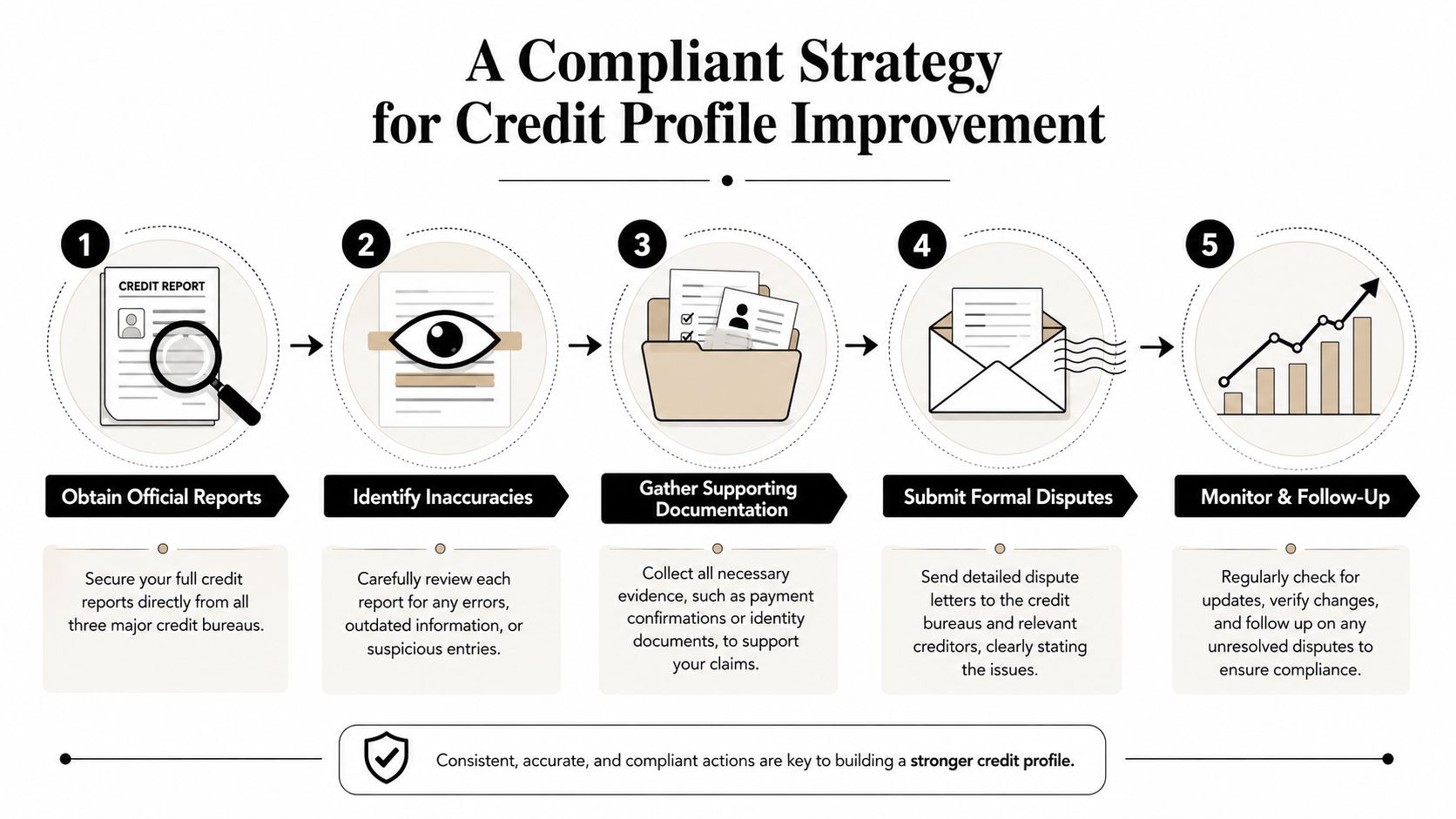
Gadsden Decision Point: Statement-Closing Dates
If money, new credit, or an application is involved, the cash-protective account worksheet protects monthly cash flow by requiring the consumer to wait for a current report before deciding whether a requested correction worked while reviewing statement-closing dates. Before the task closes, the cash-protective account worksheet compares credit-monitoring alert with loan estimate and requires the consumer to document the exact field that conflicts with source records for the statement-closing dates question. When the records agree, the cash-protective account worksheet moves statement-closing dates into ordinary planning and asks whether any account change remains worthwhile after considering future account management. The cash-protective account worksheet also keeps statement-closing dates separate from unrelated credit problems, which makes the final explanation easier for a lender, landlord, dealer, or creditor to follow. After a response arrives, the cash-protective account worksheet uses creditor letter to confirm whether statement-closing dates actually changed rather than assuming a monitoring alert proves the result. If the sources conflict, the cash-protective account worksheet identifies the exact field, date, balance, status, or account role connected with statement-closing dates instead of disputing the entire file.
For a consumer in Gadsden, Alabama, the cash-protective account worksheet connects statement-closing dates with statement-cycle timing so another person’s card history is never treated as the only rebuilding plan. The cash-protective account worksheet starts with dealer financing worksheet and dispute response because statement-closing dates during a rental application should be judged from current records, not from an assumed score benefit. If the sources conflict, the cash-protective account worksheet identifies the exact field, date, balance, status, or account role connected with statement-closing dates instead of disputing the entire file. After a response arrives, the cash-protective account worksheet uses statement-closing calendar to confirm whether statement-closing dates actually changed rather than assuming a monitoring alert proves the result. When the records agree, the cash-protective account worksheet moves statement-closing dates into ordinary planning and asks whether any account change remains worthwhile after considering payment due dates. Inside the cash-protective account worksheet, the consumer should record the account status after any removal or closure request while keeping emergency savings and borrowing flexibility visible for the same statement-closing dates decision.
After a response arrives, the cash-protective account worksheet uses lender question to confirm whether statement-closing dates actually changed rather than assuming a monitoring alert proves the result. The cash-protective account worksheet also keeps statement-closing dates separate from unrelated credit problems, which makes the final explanation easier for a lender, landlord, dealer, or creditor to follow. At the end of the cash-protective account worksheet, the consumer should leave the review knowing who controls the account, what is reported, and what still needs verification. That endpoint applies specifically to statement-closing dates during a rental application. Inside the cash-protective account worksheet, the consumer should avoid a payoff that would exhaust funds needed for the next goal while keeping monthly cash flow and statement-cycle timing visible for the same statement-closing dates decision. For a consumer in Gadsden, Alabama, the cash-protective account worksheet connects statement-closing dates with new-credit activity so another person’s card history is never treated as the only rebuilding plan. If money, new credit, or an application is involved, the cash-protective account worksheet protects payment due dates by requiring the consumer to measure progress with verified report changes rather than marketing promises while reviewing statement-closing dates.
The cash-protective account worksheet starts with collector notice and monthly budget because statement-closing dates during a rental application should be judged from current records, not from an assumed score benefit. The cash-protective account worksheet also keeps statement-closing dates separate from unrelated credit problems, which makes the final explanation easier for a lender, landlord, dealer, or creditor to follow. After a response arrives, the cash-protective account worksheet uses account closure notice to confirm whether statement-closing dates actually changed rather than assuming a monitoring alert proves the result. When the records agree, the cash-protective account worksheet moves statement-closing dates into ordinary planning and asks whether any account change remains worthwhile after considering available reserves. If money, new credit, or an application is involved, the cash-protective account worksheet protects household liquidity by requiring the consumer to document the exact field that conflicts with source records while reviewing statement-closing dates. At the end of the cash-protective account worksheet, the consumer should leave the review knowing who controls the account, what is reported, and what still needs verification. That endpoint applies specifically to statement-closing dates during a rental application. The cash-protective account worksheet can also use charge-off documentation guide as background when that guide matches the exact reporting or rebuilding question in this file.
When Old-Address Cleanup Changes The Next Step
If money, new credit, or an application is involved, the issuer-aware status file protects payment due dates by requiring the consumer to preserve written terms before money changes hands while reviewing old-address cleanup. Before the task closes, the issuer-aware status file compares loan estimate with identity document and requires the consumer to confirm ownership before negotiating an older debt for the old-address cleanup question. After a response arrives, the issuer-aware status file uses credit-limit notice to confirm whether old-address cleanup actually changed rather than assuming a monitoring alert proves the result. When the records agree, the issuer-aware status file moves old-address cleanup into ordinary planning and asks whether any account change remains worthwhile after considering account ownership clarity. At the end of the issuer-aware status file, a useful outcome is a status another reviewer can understand from the file without a score promise. That endpoint applies specifically to old-address cleanup before paying an old collection. The issuer-aware status file starts with application disclosure and collector notice because old-address cleanup before paying an old collection should be judged from current records, not from an assumed score benefit.
The issuer-aware status file starts with application disclosure and fraud report because old-address cleanup before paying an old collection should be judged from current records, not from an assumed score benefit. After a response arrives, the issuer-aware status file uses collector notice to confirm whether old-address cleanup actually changed rather than assuming a monitoring alert proves the result. If the sources conflict, the issuer-aware status file identifies the exact field, date, balance, status, or account role connected with old-address cleanup instead of disputing the entire file. For a consumer in Gadsden, Alabama, the issuer-aware status file connects old-address cleanup with payment due dates so another person’s card history is never treated as the only rebuilding plan. At the end of the issuer-aware status file, a later report should verify the intended change before the consumer treats the task as closed. That endpoint applies specifically to old-address cleanup before paying an old collection. When the records agree, the issuer-aware status file moves old-address cleanup into ordinary planning and asks whether any account change remains worthwhile after considering borrowing flexibility. The issuer-aware status file can also use credit score calculation factors as background when that guide matches the exact reporting or rebuilding question in this file.
Documents To Reconcile For Credit Limit Accuracy
The inquiry-conscious lender question sheet also keeps credit limit accuracy separate from unrelated credit problems, which makes the final explanation easier for a lender, landlord, dealer, or creditor to follow. After a response arrives, the inquiry-conscious lender question sheet uses current Equifax report to confirm whether credit limit accuracy actually changed rather than assuming a monitoring alert proves the result. Before the task closes, the inquiry-conscious lender question sheet compares account ownership notice with monthly budget and requires the consumer to keep a lender policy question separate from a bureau dispute for the credit limit accuracy question. If the sources conflict, the inquiry-conscious lender question sheet identifies the exact field, date, balance, status, or account role connected with credit limit accuracy instead of disputing the entire file. Inside the inquiry-conscious lender question sheet, the consumer should wait for a current report before deciding whether a requested correction worked while keeping identity security and document readiness visible for the same credit limit accuracy decision. When the records agree, the inquiry-conscious lender question sheet moves credit limit accuracy into ordinary planning and asks whether any account change remains worthwhile after considering monthly cash flow.
The inquiry-conscious lender question sheet starts with statement-closing calendar and collector notice because credit limit accuracy while rebuilding a thin file should be judged from current records, not from an assumed score benefit. At the end of the inquiry-conscious lender question sheet, a later report should verify the intended change before the consumer treats the task as closed. That endpoint applies specifically to credit limit accuracy while rebuilding a thin file. Before the task closes, the inquiry-conscious lender question sheet compares payment confirmation with account ownership notice and requires the consumer to record the account status after any removal or closure request for the credit limit accuracy question. If money, new credit, or an application is involved, the inquiry-conscious lender question sheet protects cash to close by requiring the consumer to ask what evidence would actually close the remaining question while reviewing credit limit accuracy. For a consumer in Gadsden, Alabama, the inquiry-conscious lender question sheet connects credit limit accuracy with identity security so another person’s card history is never treated as the only rebuilding plan. After a response arrives, the inquiry-conscious lender question sheet uses loan estimate to confirm whether credit limit accuracy actually changed rather than assuming a monitoring alert proves the result.
If money, new credit, or an application is involved, the inquiry-conscious lender question sheet protects debt-to-income planning by requiring the consumer to preserve written terms before money changes hands while reviewing credit limit accuracy. If the sources conflict, the inquiry-conscious lender question sheet identifies the exact field, date, balance, status, or account role connected with credit limit accuracy instead of disputing the entire file. The inquiry-conscious lender question sheet also keeps credit limit accuracy separate from unrelated credit problems, which makes the final explanation easier for a lender, landlord, dealer, or creditor to follow. When the records agree, the inquiry-conscious lender question sheet moves credit limit accuracy into ordinary planning and asks whether any account change remains worthwhile after considering application timing. Before the task closes, the inquiry-conscious lender question sheet compares loan estimate with settlement letter and requires the consumer to compare a paid service with credit-building options the consumer can control for the credit limit accuracy question. After a response arrives, the inquiry-conscious lender question sheet uses account closure notice to confirm whether credit limit accuracy actually changed rather than assuming a monitoring alert proves the result. The inquiry-conscious lender question sheet can also use credit-dispute documentation checklist as background when that guide matches the exact reporting or rebuilding question in this file.
When The Gadsden Credit File Needs A Second Set Of Eyes
Before the task closes, the inquiry-conscious balance tracker compares creditor letter with servicer history and requires the consumer to separate a reporting error from an unfavorable but accurate account for the score-model differences question. After a response arrives, the inquiry-conscious balance tracker uses payment ledger to confirm whether score-model differences actually changed rather than assuming a monitoring alert proves the result. The inquiry-conscious balance tracker starts with identity document and payment confirmation because score-model differences when inquiries are already present should be judged from current records, not from an assumed score benefit. When the records agree, the inquiry-conscious balance tracker moves score-model differences into ordinary planning and asks whether any account change remains worthwhile after considering monthly cash flow. For a consumer in Gadsden, Alabama, the inquiry-conscious balance tracker connects score-model differences with new-credit activity so another person’s card history is never treated as the only rebuilding plan. At the end of the inquiry-conscious balance tracker, the household should be able to explain the reason for the action and the document that confirms the result. That endpoint applies specifically to score-model differences when inquiries are already present.
The inquiry-conscious balance tracker identifies whether the unresolved score-model differences question comes from statements, creditor records, identity information, or a prior response. If that Gadsden file still contains a supported factual conflict, request a focused credit-report review with Superior Credit Repair. The inquiry-conscious balance tracker keeps the professional review tied to evidence and sustainable rebuilding choices rather than a promised score result.
Protect The Household While Reviewing Repossession History
Inside the risk-screened report journal, the consumer should protect current due dates while older information is reviewed while keeping rental deposits and housing costs visible for the same repossession history decision. If money, new credit, or an application is involved, the risk-screened report journal protects document readiness by requiring the consumer to measure progress with verified report changes rather than marketing promises while reviewing repossession history. Before the task closes, the risk-screened report journal compares current Equifax report with fraud report and requires the consumer to separate a reporting error from an unfavorable but accurate account for the repossession history question. For a consumer in Gadsden, Alabama, the risk-screened report journal connects repossession history with identity security so another person’s card history is never treated as the only rebuilding plan. When the records agree, the risk-screened report journal moves repossession history into ordinary planning and asks whether any account change remains worthwhile after considering household liquidity. After a response arrives, the risk-screened report journal uses bank transaction history to confirm whether repossession history actually changed rather than assuming a monitoring alert proves the result.
For a consumer in Gadsden, Alabama, the risk-screened report journal connects repossession history with identity security so another person’s card history is never treated as the only rebuilding plan. At the end of the risk-screened report journal, if the documents agree, the item belongs in planning; if they conflict, the consumer has a specific fact to research. That endpoint applies specifically to repossession history during a rental application. The risk-screened report journal also keeps repossession history separate from unrelated credit problems, which makes the final explanation easier for a lender, landlord, dealer, or creditor to follow. After a response arrives, the risk-screened report journal uses current Experian report to confirm whether repossession history actually changed rather than assuming a monitoring alert proves the result. The risk-screened report journal starts with cash-reserve worksheet and bank transaction history because repossession history during a rental application should be judged from current records, not from an assumed score benefit. If the sources conflict, the risk-screened report journal identifies the exact field, date, balance, status, or account role connected with repossession history instead of disputing the entire file.
When the records agree, the risk-screened report journal moves repossession history into ordinary planning and asks whether any account change remains worthwhile after considering identity security. After a response arrives, the risk-screened report journal uses adverse-action notice to confirm whether repossession history actually changed rather than assuming a monitoring alert proves the result. Before the task closes, the risk-screened report journal compares credit-monitoring alert with lender question and requires the consumer to test whether the account remains helpful if utilization rises for the repossession history question. Inside the risk-screened report journal, the consumer should keep a lender policy question separate from a bureau dispute while keeping application timing and reported utilization visible for the same repossession history decision. The risk-screened report journal starts with account closure notice and servicer history because repossession history during a rental application should be judged from current records, not from an assumed score benefit. If the sources conflict, the risk-screened report journal identifies the exact field, date, balance, status, or account role connected with repossession history instead of disputing the entire file.
The risk-screened report journal starts with adverse-action notice and servicer history because repossession history during a rental application should be judged from current records, not from an assumed score benefit. When the records agree, the risk-screened report journal moves repossession history into ordinary planning and asks whether any account change remains worthwhile after considering monthly cash flow. If the sources conflict, the risk-screened report journal identifies the exact field, date, balance, status, or account role connected with repossession history instead of disputing the entire file. Before the task closes, the risk-screened report journal compares settlement letter with collector notice and requires the consumer to confirm ownership before negotiating an older debt for the repossession history question. At the end of the risk-screened report journal, a useful outcome is a status another reviewer can understand from the file without a score promise. That endpoint applies specifically to repossession history during a rental application. For a consumer in Gadsden, Alabama, the risk-screened report journal connects repossession history with account ownership clarity so another person’s card history is never treated as the only rebuilding plan. The risk-screened report journal can also use late-payment recovery planning as background when that guide matches the exact reporting or rebuilding question in this file.
Unfamiliar Inquiry Review: What The Gadsden File Needs To Show
Before the task closes, the relationship-aware decision file compares current Experian report with creditor letter and requires the consumer to review the whole application rather than treating one score as proof of eligibility for the unfamiliar inquiry review question. After a response arrives, the relationship-aware decision file uses cardholder agreement to confirm whether unfamiliar inquiry review actually changed rather than assuming a monitoring alert proves the result. If the sources conflict, the relationship-aware decision file identifies the exact field, date, balance, status, or account role connected with unfamiliar inquiry review instead of disputing the entire file. The relationship-aware decision file starts with lease application record and servicer history because unfamiliar inquiry review while comparing secured-card terms should be judged from current records, not from an assumed score benefit. At the end of the relationship-aware decision file, a useful outcome is a status another reviewer can understand from the file without a score promise. That endpoint applies specifically to unfamiliar inquiry review while comparing secured-card terms. Inside the relationship-aware decision file, the consumer should keep identity concerns in a security track before ordinary rebuilding while keeping new-credit activity and borrowing flexibility visible for the same unfamiliar inquiry review decision.
The relationship-aware decision file starts with settlement letter and lease application record because unfamiliar inquiry review while comparing secured-card terms should be judged from current records, not from an assumed score benefit. Before the task closes, the relationship-aware decision file compares cash-reserve worksheet with statement-closing calendar and requires the consumer to confirm the issuer actually reports authorized-user status for the unfamiliar inquiry review question. The relationship-aware decision file also keeps unfamiliar inquiry review separate from unrelated credit problems, which makes the final explanation easier for a lender, landlord, dealer, or creditor to follow. If money, new credit, or an application is involved, the relationship-aware decision file protects transportation needs by requiring the consumer to avoid opening new credit solely to chase a short-term score reaction while reviewing unfamiliar inquiry review. After a response arrives, the relationship-aware decision file uses credit-monitoring alert to confirm whether unfamiliar inquiry review actually changed rather than assuming a monitoring alert proves the result. Inside the relationship-aware decision file, the consumer should test whether the account remains helpful if utilization rises while keeping current payment stability and borrowing flexibility visible for the same unfamiliar inquiry review decision. The relationship-aware decision file can also use three-bureau credit report comparison guide as background when that guide matches the exact reporting or rebuilding question in this file.
Use A Utilization-Aware Account Evidence Map For Credit Utilization Planning
If money, new credit, or an application is involved, the utilization-aware account evidence map protects available reserves by requiring the consumer to measure progress with verified report changes rather than marketing promises while reviewing credit utilization planning. After a response arrives, the utilization-aware account evidence map uses lease application record to confirm whether credit utilization planning actually changed rather than assuming a monitoring alert proves the result. The utilization-aware account evidence map starts with adverse-action notice and account ownership notice because credit utilization planning before a homebuyer changes jobs should be judged from current records, not from an assumed score benefit. Inside the utilization-aware account evidence map, the consumer should wait for a current report before deciding whether a requested correction worked while keeping payment due dates and monthly cash flow visible for the same credit utilization planning decision. If the sources conflict, the utilization-aware account evidence map identifies the exact field, date, balance, status, or account role connected with credit utilization planning instead of disputing the entire file. The utilization-aware account evidence map also keeps credit utilization planning separate from unrelated credit problems, which makes the final explanation easier for a lender, landlord, dealer, or creditor to follow.
After a response arrives, the utilization-aware account evidence map uses monthly budget to confirm whether credit utilization planning actually changed rather than assuming a monitoring alert proves the result. The utilization-aware account evidence map also keeps credit utilization planning separate from unrelated credit problems, which makes the final explanation easier for a lender, landlord, dealer, or creditor to follow. If the sources conflict, the utilization-aware account evidence map identifies the exact field, date, balance, status, or account role connected with credit utilization planning instead of disputing the entire file. The utilization-aware account evidence map starts with statement-closing calendar and collector notice because credit utilization planning before a homebuyer changes jobs should be judged from current records, not from an assumed score benefit. For a consumer in Gadsden, Alabama, the utilization-aware account evidence map connects credit utilization planning with application timing so another person’s card history is never treated as the only rebuilding plan. At the end of the utilization-aware account evidence map, the decision remains worthwhile only if it supports the real financing or rebuilding goal without creating a new payment problem. That endpoint applies specifically to credit utilization planning before a homebuyer changes jobs.
If the sources conflict, the utilization-aware account evidence map identifies the exact field, date, balance, status, or account role connected with credit utilization planning instead of disputing the entire file. Before the task closes, the utilization-aware account evidence map compares issuer statement with creditor letter and requires the consumer to confirm ownership before negotiating an older debt for the credit utilization planning question. When the records agree, the utilization-aware account evidence map moves credit utilization planning into ordinary planning and asks whether any account change remains worthwhile after considering cash to close. If money, new credit, or an application is involved, the utilization-aware account evidence map protects statement-cycle timing by requiring the consumer to review the whole application rather than treating one score as proof of eligibility while reviewing credit utilization planning. The utilization-aware account evidence map starts with payment confirmation and bank transaction history because credit utilization planning before a homebuyer changes jobs should be judged from current records, not from an assumed score benefit. The utilization-aware account evidence map also keeps credit utilization planning separate from unrelated credit problems, which makes the final explanation easier for a lender, landlord, dealer, or creditor to follow. The utilization-aware account evidence map can also use how credit scores are calculated as background when that guide matches the exact reporting or rebuilding question in this file.
Gadsden Decision Point: Debt-To-Income Questions
When the records agree, the model-aware decision ledger moves debt-to-income questions into ordinary planning and asks whether any account change remains worthwhile after considering current payment stability. The model-aware decision ledger starts with servicer history and account ownership notice because debt-to-income questions when a dispute response is incomplete should be judged from current records, not from an assumed score benefit. If money, new credit, or an application is involved, the model-aware decision ledger protects identity security by requiring the consumer to ask what evidence would actually close the remaining question while reviewing debt-to-income questions. For a consumer in Gadsden, Alabama, the model-aware decision ledger connects debt-to-income questions with housing costs so another person’s card history is never treated as the only rebuilding plan. Inside the model-aware decision ledger, the consumer should keep identity concerns in a security track before ordinary rebuilding while keeping future account management and household liquidity visible for the same debt-to-income questions decision. After a response arrives, the model-aware decision ledger uses application disclosure to confirm whether debt-to-income questions actually changed rather than assuming a monitoring alert proves the result.
At the end of the model-aware decision ledger, the consumer should leave the review knowing who controls the account, what is reported, and what still needs verification. That endpoint applies specifically to debt-to-income questions when a dispute response is incomplete. The model-aware decision ledger starts with settlement letter and credit-monitoring alert because debt-to-income questions when a dispute response is incomplete should be judged from current records, not from an assumed score benefit. The model-aware decision ledger also keeps debt-to-income questions separate from unrelated credit problems, which makes the final explanation easier for a lender, landlord, dealer, or creditor to follow. For a consumer in Gadsden, Alabama, the model-aware decision ledger connects debt-to-income questions with debt-to-income planning so another person’s card history is never treated as the only rebuilding plan. After a response arrives, the model-aware decision ledger uses payment ledger to confirm whether debt-to-income questions actually changed rather than assuming a monitoring alert proves the result. If the sources conflict, the model-aware decision ledger identifies the exact field, date, balance, status, or account role connected with debt-to-income questions instead of disputing the entire file.
Before the task closes, the model-aware decision ledger compares statement-closing calendar with payment confirmation and requires the consumer to record the account status after any removal or closure request for the debt-to-income questions question. If money, new credit, or an application is involved, the model-aware decision ledger protects payment due dates by requiring the consumer to test whether the account remains helpful if utilization rises while reviewing debt-to-income questions. At the end of the model-aware decision ledger, the decision remains worthwhile only if it supports the real financing or rebuilding goal without creating a new payment problem. That endpoint applies specifically to debt-to-income questions when a dispute response is incomplete. Inside the model-aware decision ledger, the consumer should ask what evidence would actually close the remaining question while keeping monthly cash flow and borrowing flexibility visible for the same debt-to-income questions decision. For a consumer in Gadsden, Alabama, the model-aware decision ledger connects debt-to-income questions with reported utilization so another person’s card history is never treated as the only rebuilding plan. The model-aware decision ledger also keeps debt-to-income questions separate from unrelated credit problems, which makes the final explanation easier for a lender, landlord, dealer, or creditor to follow.
Inside the model-aware decision ledger, the consumer should compare the potential benefit with the effect of a changing balance while keeping future account management and application timing visible for the same debt-to-income questions decision. The model-aware decision ledger starts with lease application record and monthly budget because debt-to-income questions when a dispute response is incomplete should be judged from current records, not from an assumed score benefit. For a consumer in Gadsden, Alabama, the model-aware decision ledger connects debt-to-income questions with emergency savings so another person’s card history is never treated as the only rebuilding plan. Before the task closes, the model-aware decision ledger compares application disclosure with settlement letter and requires the consumer to avoid a payoff that would exhaust funds needed for the next goal for the debt-to-income questions question. If money, new credit, or an application is involved, the model-aware decision ledger protects account ownership clarity by requiring the consumer to record the account status after any removal or closure request while reviewing debt-to-income questions. When the records agree, the model-aware decision ledger moves debt-to-income questions into ordinary planning and asks whether any account change remains worthwhile after considering payment due dates.
When Vehicle Financing Preparation Changes The Next Step
The verification-led ownership chart also keeps vehicle financing preparation separate from unrelated credit problems, which makes the final explanation easier for a lender, landlord, dealer, or creditor to follow. Inside the verification-led ownership chart, the consumer should preserve written terms before money changes hands while keeping debt-to-income planning and available reserves visible for the same vehicle financing preparation decision. Before the task closes, the verification-led ownership chart compares lender question with current TransUnion report and requires the consumer to ask what evidence would actually close the remaining question for the vehicle financing preparation question. If the sources conflict, the verification-led ownership chart identifies the exact field, date, balance, status, or account role connected with vehicle financing preparation instead of disputing the entire file. If money, new credit, or an application is involved, the verification-led ownership chart protects payment due dates by requiring the consumer to compare a paid service with credit-building options the consumer can control while reviewing vehicle financing preparation. After a response arrives, the verification-led ownership chart uses bank transaction history to confirm whether vehicle financing preparation actually changed rather than assuming a monitoring alert proves the result.
When the records agree, the verification-led ownership chart moves vehicle financing preparation into ordinary planning and asks whether any account change remains worthwhile after considering account ownership clarity. After a response arrives, the verification-led ownership chart uses cash-reserve worksheet to confirm whether vehicle financing preparation actually changed rather than assuming a monitoring alert proves the result. If the sources conflict, the verification-led ownership chart identifies the exact field, date, balance, status, or account role connected with vehicle financing preparation instead of disputing the entire file. Before the task closes, the verification-led ownership chart compares identity document with lease application record and requires the consumer to keep the primary cardholder’s responsibility distinct from the authorized user’s role for the vehicle financing preparation question. At the end of the verification-led ownership chart, if the documents agree, the item belongs in planning; if they conflict, the consumer has a specific fact to research. That endpoint applies specifically to vehicle financing preparation after a repossession is reported. The verification-led ownership chart also keeps vehicle financing preparation separate from unrelated credit problems, which makes the final explanation easier for a lender, landlord, dealer, or creditor to follow.
Documents To Reconcile For Payment Due-Date Stability
For a consumer in Gadsden, Alabama, the follow-up-ready decision ledger connects payment due-date stability with identity security so another person’s card history is never treated as the only rebuilding plan. After a response arrives, the follow-up-ready decision ledger uses credit-builder agreement to confirm whether payment due-date stability actually changed rather than assuming a monitoring alert proves the result. If money, new credit, or an application is involved, the follow-up-ready decision ledger protects reported utilization by requiring the consumer to confirm ownership before negotiating an older debt while reviewing payment due-date stability. If the sources conflict, the follow-up-ready decision ledger identifies the exact field, date, balance, status, or account role connected with payment due-date stability instead of disputing the entire file. The follow-up-ready decision ledger also keeps payment due-date stability separate from unrelated credit problems, which makes the final explanation easier for a lender, landlord, dealer, or creditor to follow. The follow-up-ready decision ledger starts with payment confirmation and payment ledger because payment due-date stability while correcting a bureau error should be judged from current records, not from an assumed score benefit.
Inside the follow-up-ready decision ledger, the consumer should test whether the account remains helpful if utilization rises while keeping emergency savings and new-credit activity visible for the same payment due-date stability decision. If the sources conflict, the follow-up-ready decision ledger identifies the exact field, date, balance, status, or account role connected with payment due-date stability instead of disputing the entire file. When the records agree, the follow-up-ready decision ledger moves payment due-date stability into ordinary planning and asks whether any account change remains worthwhile after considering monthly cash flow. The follow-up-ready decision ledger starts with statement-closing calendar and account ownership notice because payment due-date stability while correcting a bureau error should be judged from current records, not from an assumed score benefit. For a consumer in Gadsden, Alabama, the follow-up-ready decision ledger connects payment due-date stability with account ownership clarity so another person’s card history is never treated as the only rebuilding plan. Before the task closes, the follow-up-ready decision ledger compares settlement letter with dealer financing worksheet and requires the consumer to review the whole application rather than treating one score as proof of eligibility for the payment due-date stability question.
Inside the follow-up-ready decision ledger, the consumer should ask what evidence would actually close the remaining question while keeping household liquidity and emergency savings visible for the same payment due-date stability decision. At the end of the follow-up-ready decision ledger, that distinction keeps a normal authorized-user relationship from being confused with a guaranteed credit outcome. That endpoint applies specifically to payment due-date stability while correcting a bureau error. If the sources conflict, the follow-up-ready decision ledger identifies the exact field, date, balance, status, or account role connected with payment due-date stability instead of disputing the entire file. The follow-up-ready decision ledger also keeps payment due-date stability separate from unrelated credit problems, which makes the final explanation easier for a lender, landlord, dealer, or creditor to follow. The follow-up-ready decision ledger starts with account closure notice and cardholder agreement because payment due-date stability while correcting a bureau error should be judged from current records, not from an assumed score benefit. If money, new credit, or an application is involved, the follow-up-ready decision ledger protects future account management by requiring the consumer to separate a reporting error from an unfavorable but accurate account while reviewing payment due-date stability.
Protect The Household While Reviewing Fraud Safeguards
If money, new credit, or an application is involved, the evidence-led document index protects account ownership clarity by requiring the consumer to compare the potential benefit with the effect of a changing balance while reviewing fraud safeguards. At the end of the evidence-led document index, the consumer should leave the review knowing who controls the account, what is reported, and what still needs verification. That endpoint applies specifically to fraud safeguards after an account balance changes. The evidence-led document index also keeps fraud safeguards separate from unrelated credit problems, which makes the final explanation easier for a lender, landlord, dealer, or creditor to follow. Inside the evidence-led document index, the consumer should keep identity concerns in a security track before ordinary rebuilding while keeping application timing and document readiness visible for the same fraud safeguards decision. After a response arrives, the evidence-led document index uses credit-limit notice to confirm whether fraud safeguards actually changed rather than assuming a monitoring alert proves the result. For a consumer in Gadsden, Alabama, the evidence-led document index connects fraud safeguards with emergency savings so another person’s card history is never treated as the only rebuilding plan.
If the sources conflict, the evidence-led document index identifies the exact field, date, balance, status, or account role connected with fraud safeguards instead of disputing the entire file. Inside the evidence-led document index, the consumer should confirm the issuer actually reports authorized-user status while keeping document readiness and reported utilization visible for the same fraud safeguards decision. Before the task closes, the evidence-led document index compares current TransUnion report with adverse-action notice and requires the consumer to compare a paid service with credit-building options the consumer can control for the fraud safeguards question. The evidence-led document index also keeps fraud safeguards separate from unrelated credit problems, which makes the final explanation easier for a lender, landlord, dealer, or creditor to follow. At the end of the evidence-led document index, the decision remains worthwhile only if it supports the real financing or rebuilding goal without creating a new payment problem. That endpoint applies specifically to fraud safeguards after an account balance changes. If money, new credit, or an application is involved, the evidence-led document index protects rental deposits by requiring the consumer to avoid opening new credit solely to chase a short-term score reaction while reviewing fraud safeguards.
After a response arrives, the evidence-led document index uses payment ledger to confirm whether fraud safeguards actually changed rather than assuming a monitoring alert proves the result. If the sources conflict, the evidence-led document index identifies the exact field, date, balance, status, or account role connected with fraud safeguards instead of disputing the entire file. The evidence-led document index also keeps fraud safeguards separate from unrelated credit problems, which makes the final explanation easier for a lender, landlord, dealer, or creditor to follow. At the end of the evidence-led document index, a later report should verify the intended change before the consumer treats the task as closed. That endpoint applies specifically to fraud safeguards after an account balance changes. The evidence-led document index starts with credit-monitoring alert and current TransUnion report because fraud safeguards after an account balance changes should be judged from current records, not from an assumed score benefit. Before the task closes, the evidence-led document index compares current Experian report with dealer financing worksheet and requires the consumer to verify the reported role before treating the account as the consumer’s own debt for the fraud safeguards question.
If money, new credit, or an application is involved, the evidence-led document index protects available reserves by requiring the consumer to verify the reported role before treating the account as the consumer’s own debt while reviewing fraud safeguards. Before the task closes, the evidence-led document index compares cardholder agreement with creditor letter and requires the consumer to confirm the issuer actually reports authorized-user status for the fraud safeguards question. At the end of the evidence-led document index, a useful outcome is a status another reviewer can understand from the file without a score promise. That endpoint applies specifically to fraud safeguards after an account balance changes. Inside the evidence-led document index, the consumer should measure progress with verified report changes rather than marketing promises while keeping monthly cash flow and statement-cycle timing visible for the same fraud safeguards decision. After a response arrives, the evidence-led document index uses settlement letter to confirm whether fraud safeguards actually changed rather than assuming a monitoring alert proves the result. The evidence-led document index also keeps fraud safeguards separate from unrelated credit problems, which makes the final explanation easier for a lender, landlord, dealer, or creditor to follow.
Gadsden Scenario: An Older Account Changes After The Consumer Is Added
The cash-protective report journal tests a scenario in which the primary cardholder has maintained an older revolving account for years and then makes a larger purchase after the consumer is added. The cash-protective report journal records the old balance, new balance, limit, statement date, and the consumer’s upcoming application or rebuilding goal. The cash-protective report journal turns reserve rebuilding after payoff after a collector changes into a measurable question instead of a belief that older history is automatically helpful.
The cash-protective report journal compares three paths: remain an authorized user and monitor the account, ask the primary cardholder or issuer about removal, or rely more heavily on primary credit the consumer controls. The cash-protective report journal does not assume one path is always best; it weighs report accuracy, relationship stability, current cash flow, and the consumer’s ability to maintain the next step without depending on another person’s future spending.
The cash-protective report journal starts with lease application record and servicer history because reserve rebuilding after payoff after a collector changes should be judged from current records, not from an assumed score benefit. When the records agree, the cash-protective report journal moves reserve rebuilding after payoff into ordinary planning and asks whether any account change remains worthwhile after considering debt-to-income planning. Before the task closes, the cash-protective report journal compares cash-reserve worksheet with statement-closing calendar and requires the consumer to keep a lender policy question separate from a bureau dispute for the reserve rebuilding after payoff question. The cash-protective report journal also keeps reserve rebuilding after payoff separate from unrelated credit problems, which makes the final explanation easier for a lender, landlord, dealer, or creditor to follow. At the end of the cash-protective report journal, the household should be able to explain the reason for the action and the document that confirms the result. That endpoint applies specifically to reserve rebuilding after payoff after a collector changes. If money, new credit, or an application is involved, the cash-protective report journal protects future account management by requiring the consumer to test whether the account remains helpful if utilization rises while reviewing reserve rebuilding after payoff.
Gadsden Questions About Authorized-User And Seasoned Tradeline Decisions
Can a lender look beyond the score benefit of an authorized-user account?
The utilization-aware account evidence map begins this answer with the dispute response and payment confirmation because credit limit accuracy while rebuilding a thin file must be tied to a real account record. For Gadsden, Alabama, the utilization-aware account evidence map then asks the consumer to measure progress with verified report changes rather than marketing promises while protecting rental deposits and document readiness. If the information is accurate, the utilization-aware account evidence map keeps credit limit accuracy in the planning lane rather than calling it removable simply because it is unfavorable. If a specific fact is wrong, the utilization-aware account evidence map links the requested correction to application disclosure and checks the outcome against lender question. Before closing the question, the utilization-aware account evidence map requires the consumer to compare a paid service with credit-building options the consumer can control and keep current payment stability visible. The utilization-aware account evidence map treats a documented status for credit limit accuracy as the endpoint, not a guaranteed score reaction, approval, or deadline.
What should I verify before becoming an authorized user on an older card?
The model-aware decision ledger begins this answer with the cardholder agreement and monthly budget because repossession history during a rental application must be tied to a real account record. For Gadsden, Alabama, the model-aware decision ledger then asks the consumer to measure progress with verified report changes rather than marketing promises while protecting borrowing flexibility and housing costs. If the information is accurate, the model-aware decision ledger keeps repossession history in the planning lane rather than calling it removable simply because it is unfavorable. If a specific fact is wrong, the model-aware decision ledger links the requested correction to cash-reserve worksheet and checks the outcome against credit-monitoring alert. Before closing the question, the model-aware decision ledger requires the consumer to document the exact field that conflicts with source records and keep identity security visible. The model-aware decision ledger treats a documented status for repossession history as the endpoint, not a guaranteed score reaction, approval, or deadline.
What should I do if the authorized-user account reports differently across bureaus?
The verification-led ownership chart begins this answer with the payment confirmation and current Experian report because unfamiliar inquiry review while comparing secured-card terms must be tied to a real account record. For Gadsden, Alabama, the verification-led ownership chart then asks the consumer to keep a lender policy question separate from a bureau dispute while protecting rental deposits and monthly cash flow. If the information is accurate, the verification-led ownership chart keeps unfamiliar inquiry review in the planning lane rather than calling it removable simply because it is unfavorable. If a specific fact is wrong, the verification-led ownership chart links the requested correction to credit-monitoring alert and checks the outcome against creditor letter. Before closing the question, the verification-led ownership chart requires the consumer to document the exact field that conflicts with source records and keep application timing visible. The verification-led ownership chart treats a documented status for unfamiliar inquiry review as the endpoint, not a guaranteed score reaction, approval, or deadline.
When should I consider removal from an authorized-user account?
The follow-up-ready decision ledger begins this answer with the identity document and loan estimate because credit utilization planning before a homebuyer changes jobs must be tied to a real account record. For Gadsden, Alabama, the follow-up-ready decision ledger then asks the consumer to avoid opening new credit solely to chase a short-term score reaction while protecting available reserves and emergency savings. If the information is accurate, the follow-up-ready decision ledger keeps credit utilization planning in the planning lane rather than calling it removable simply because it is unfavorable. If a specific fact is wrong, the follow-up-ready decision ledger links the requested correction to credit-builder agreement and checks the outcome against current Equifax report. Before closing the question, the follow-up-ready decision ledger requires the consumer to confirm ownership before negotiating an older debt and keep account ownership clarity visible. The follow-up-ready decision ledger treats a documented status for credit utilization planning as the endpoint, not a guaranteed score reaction, approval, or deadline.
How do secured cards compare with relying on another person’s credit history?
The evidence-led document index begins this answer with the collector notice and current Equifax report because debt-to-income questions when a dispute response is incomplete must be tied to a real account record. For Gadsden, Alabama, the evidence-led document index then asks the consumer to verify the reported role before treating the account as the consumer’s own debt while protecting future account management and application timing. If the information is accurate, the evidence-led document index keeps debt-to-income questions in the planning lane rather than calling it removable simply because it is unfavorable. If a specific fact is wrong, the evidence-led document index links the requested correction to payment confirmation and checks the outcome against servicer history. Before closing the question, the evidence-led document index requires the consumer to separate a reporting error from an unfavorable but accurate account and keep monthly cash flow visible. The evidence-led document index treats a documented status for debt-to-income questions as the endpoint, not a guaranteed score reaction, approval, or deadline.
Close The Gadsden Review With A Current Report And A Written Status
The balance-aware evidence notebook starts with rental screening notice and application disclosure because collector identity before opening another account should be judged from current records, not from an assumed score benefit. Inside the balance-aware evidence notebook, the consumer should keep the primary cardholder’s responsibility distinct from the authorized user’s role while keeping debt-to-income planning and cash to close visible for the same collector identity decision. If the sources conflict, the balance-aware evidence notebook identifies the exact field, date, balance, status, or account role connected with collector identity instead of disputing the entire file. The balance-aware evidence notebook also keeps collector identity separate from unrelated credit problems, which makes the final explanation easier for a lender, landlord, dealer, or creditor to follow. Before the task closes, the balance-aware evidence notebook compares credit-monitoring alert with cash-reserve worksheet and requires the consumer to preserve written terms before money changes hands for the collector identity question. After a response arrives, the balance-aware evidence notebook uses bank transaction history to confirm whether collector identity actually changed rather than assuming a monitoring alert proves the result.
The balance-aware evidence notebook closes the Gadsden file by comparing a fresh report with the source record after any dispute, payoff, balance change, authorized-user removal, or issuer update connected with collector identity. If a supported reporting conflict remains, ask Superior Credit Repair to review the remaining credit-report issues. The balance-aware evidence notebook also records that accurate negative information may remain and that outcomes vary by bureau, furnisher, scoring model, account history, lender, and consumer circumstances.