


Clearing old debts before you apply in Kennesaw
Plenty of Kennesaw buyers have a steady job near Town Center or the university and a solid down payment saved, yet still carry an old medical bill, a utility balance from an apartment near campus, or a card that went to an agency years ago. Those accounts rarely stop a purchase on their own, but how you handle them in the months before an application can.
This preapproval cleanup plan focuses on collection accounts: how to read them, what the law lets collectors do, and how to settle or dispute them without hurting your score right before a lender looks.
Finding every collection on your file
Pull all three bureau reports and list each collection account: the agency, the original creditor, the balance, and the date of first delinquency. That last date matters most, because it sets when the item falls off your report, seven years later.
A cleanup plan built around collections starts with the dates. Collections often appear on one bureau and not the others, or twice under two agency names after a debt is sold. Both are worth disputing. A debt that shows up twice counts against you twice.
Medical bills are a common source of a surprise entry because a hospital may hand the balance to a third-party service. Debt collection agencies then report under their own name, not the provider’s.
Your rights when a collector calls
The Fair Debt Collection Practices Act is the federal law that governs third-party collectors. It covers agencies collecting someone else’s debt, and debt buyers who purchased it, but not the original creditor collecting its own account.
Under the FDCPA, a collector must send a written notice within five days of first contact that lists the amount, the creditor, and your right to dispute. If you dispute in writing within 30 days, the collector must pause and verify the debt before continuing.
What collectors can’t do
The law bars calls before 8 a.m. or after 9 p.m., calls to your workplace after you’ve said your employer doesn’t allow them, threats of arrest, and false statements about the amount owed. Fair debt collection rules also ban telling your neighbors or coworkers about the debt.
When collectors contact other people
A collector may contact relatives, neighbors, or employers only to locate debtors, meaning to get your address, phone, or workplace. It can’t say why it’s calling or mention the debt, and it usually can’t call the same person twice.
Reading the validation notice
The notice tells you who holds the debt now and how much they say you owe. Compare it with your records. If the amount includes fees your original agreement didn’t allow, or the debt is older than you remember, ask for the original account statements in your dispute letter.
Georgia’s statute of limitations on most consumer debts is six years. An old debt may still appear on your report, but if it’s past that window a collector can’t win a lawsuit on it. Be careful: a payment or a written promise to pay can restart the clock in some situations.
If the notice comes from a loan service, debt collection rules still apply once the account was in default when it was transferred.
Deciding what to pay first
Not every collection needs to be paid before a mortgage. Lenders follow program rules: FHA often ignores medical collections and may not require payoff of smaller non-medical ones, while conventional loans usually look at the total.
Paying a collection doesn’t remove it from your report, though newer scoring models ignore paid collections entirely. Ask your loan officer which scoring model the lender uses before deciding what to pay.
Pay-for-delete requests
Some agencies agree to remove an account in exchange for payment. Bureaus discourage it, and many agencies refuse, but asking costs nothing. Get any agreement in writing before you send money.
Collections tied to a home or property
Not every collector is chasing a card. Real estate debt collection covers HOA dues, past rent, and deficiency balances left after a foreclosure. Those debts can follow you into underwriting, especially if a former landlord or association filed a judgment.
A mortgage servicer collecting on a loan it services is generally not a debt collector under federal law, but a firm that buys a defaulted mortgage is. The same fair debt collection practices apply to those buyers as to any card agency.
Who counts as a collector
A full-service debt collection agency that buys or collects for others is covered. So is a law firm that regularly collects debts. A creditor collecting its own account in its own name is not, though Georgia’s consumer protection laws still apply.
How collection rules protect your file
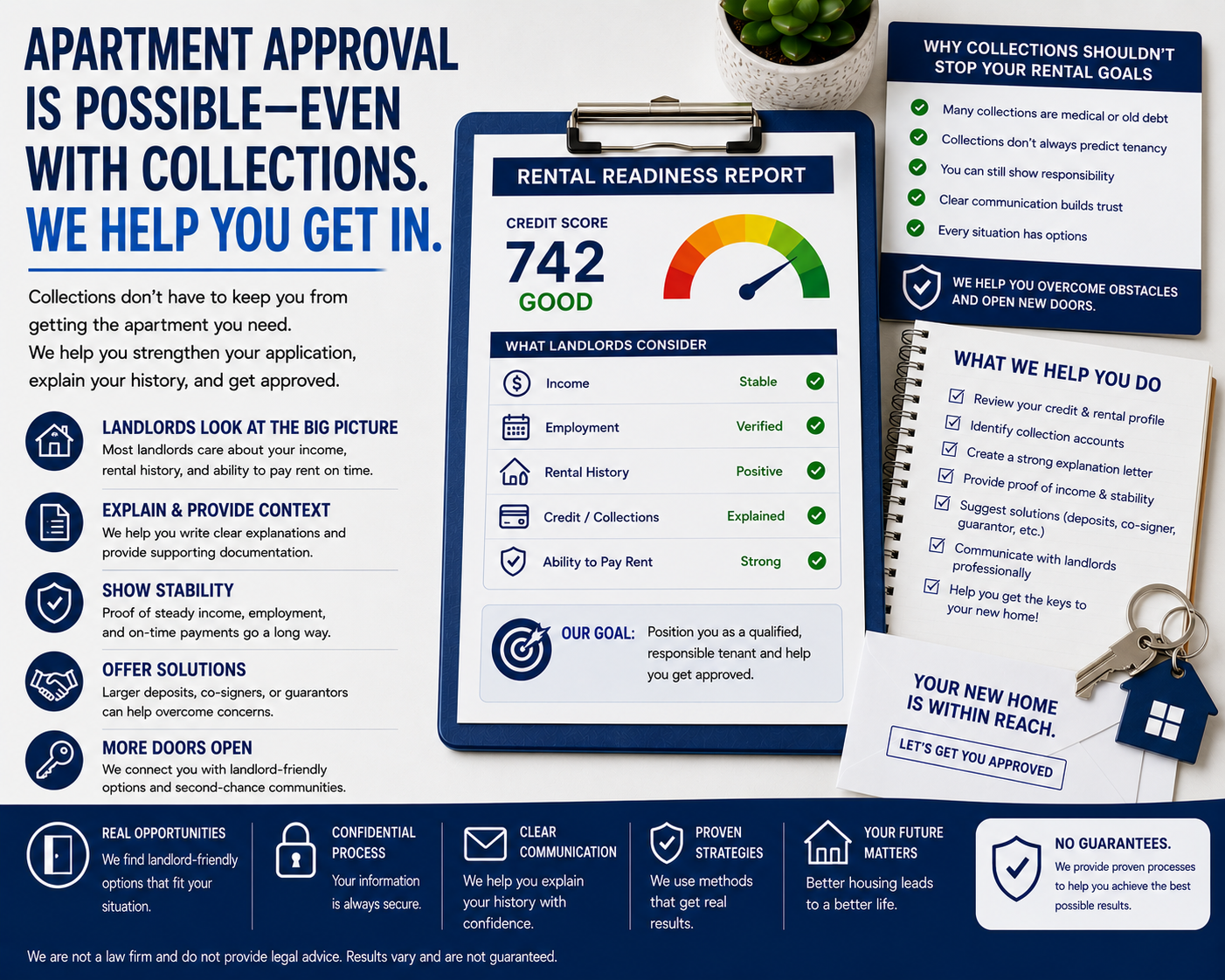
Collection rules also limit what an agency reports. It can’t report a debt it knows is false, and once you dispute, the report must show the account as disputed. That note doesn’t erase the debt, but underwriters see that you challenged it.
If a collector breaks the Fair Debt Collection Practices Act, you can sue within one year for actual damages plus up to $1,000. Keep every letter, voicemail, and call log.
Timing payments and disputes
Start four to six months before you apply. Send disputes first, then negotiate any valid debts you plan to pay, and pay them with a method that leaves a record, never with access to your bank account.
Keep card balances low and avoid new accounts during the same stretch. A clean recent payment record next to resolved collections tells an underwriter the problems are behind you.
Picking a firm that follows the rules
Under federal law, a credit restoration service owes you a written contract and can’t bill until the work is complete. Ask which collections it plans to dispute and how it chose them.
Avoid any credit report repair service that tells you to ignore valid debts or promises to remove accurate collections. Neither helps your application.
Finding repair credit near me in Kennesaw
A local office is handy for paperwork, but disputes go by mail and online. Judge firms on their contracts and fees.
How Superior Credit Repair works with Kennesaw buyers
We start with a credit report review of all three files, flag collections that look inaccurate or duplicated, and dispute them with your documents attached. Our credit restoration work focuses on accuracy, and we tell you plainly which items need time.
You get a written timeline tied to your move, so your preapproval cleanup plan ends when you’re ready to apply.
Old accounts holding you back?
Get a Kennesaw collections check and a written plan for each account.
Kennesaw preapproval questions
Does the FDCPA cover original creditors?
No. The FDCPA covers third-party collectors and debt buyers, not a lender collecting its own account.
Should I pay collections before applying for a mortgage?
It depends on the program; ask your loan officer which ones must be paid.
Can a collector call my job?
Only until you tell them your employer doesn’t allow it.
What are debt collection practices that break the law?
Threats, false amounts, late-night calls, and telling others about your debt.
Where can I find repair credit near me for collection disputes?
Compare firms by contract and fees; dispute work happens by mail and online.
How long will a collection remain on my file?
Seven years from the date of first delinquency, even if paid.
Can a collector contact my relatives?
Only to locate debtors, and even then it can’t mention the debt.
Does real estate debt collection follow the same rules?
Yes, when a third party or debt buyer collects HOA dues, rent, or a deficiency. A full-service debt collection firm is covered either way.
When can a credit restoration service charge for a credit report review?
Only after the work is done. A credit report repair service that asks for money upfront is breaking federal law.
Start your Kennesaw cleanup plan
Book a Kennesaw collections review and settle each account the right way.