


When a reporting dispute may need legal advice
A lawyer can assess whether a reporting company or covered debt collector violated applicable legal duties. A lawyer reviewing a disputed collection lawsuit must check the summons and response deadline, even while a separate bureau investigation of the same account is pending. A client needs to supply actual reports and correspondence showing the disputed conduct. An adviser discussing bankruptcy credit should distinguish ordinary reporting issues from matters requiring bankruptcy counsel. Consumer protection lawyers can help assess whether a documented bureau error raises legal issues beyond an ordinary reinvestigation.
Legal representation and routine document preparation are not the same service. The signed attorney engagement agreement should identify whether counsel will handle the collection lawsuit, the bureau dispute, or both; ordinary referral correspondence grants no representation by itself. When a disputed bureau entry raises questions for consumer protection lawyers, official creditor and bureau channels are safer for sharing the necessary identification records.
Choosing between administrative and legal assistance
Legal representation and administrative dispute assistance involve different professional duties. Consultations through credit repair services in Alabama should not suggest an unlicensed adviser can provide an attorney’s services.
A trusted lawyer referral network in Alabama should identify the qualifications and authority of its participating professionals. Consumer reporting disputes sometimes raise legal questions that require an attorney, particularly where a company allegedly failed to meet statutory duties after receiving specific documented evidence. A lawyer may evaluate legal claims and available remedies, but not every unfavorable score or verified entry supports litigation. Court deadlines, damages and eligibility for recovery depend on law and facts. A consumer should keep the original dispute, response and supporting account documents organized for review. Some consumer protection lawyers focus on reporting disputes, while others concentrate on collector conduct or contract claims.
Possible defenses can involve amount, ownership, limitations or collector conduct. An attorney assessing a reporting-law claim needs the payment records, dispute correspondence and bureau response, not only a score. When consumer protection lawyers review a reporting dispute, preserve the dated original report and supporting documentation for the relevant agencies. A bankruptcy credit report should be reviewed after the creditor has applied the discharge status to the affected account.
A credit report review related to credit repair lawyers requires checking attorney engagement agreement against the original transaction details. A validation letter is different from a summons requiring a formal filing. An adviser reviewing a bankruptcy credit report should compare the reported balances with the discharge and creditor statements, referring questions about the court order to qualified bankruptcy counsel. A referral to consumer protection lawyers should not be presented as a promise that an unfavorable tradeline will be removed.
An attorney should advise on jurisdiction-specific deadlines rather than a generic credit repair service. A disagreement about credit report errors should focus on ownership, date or balance rather than the consumer’s preferred scoring result.
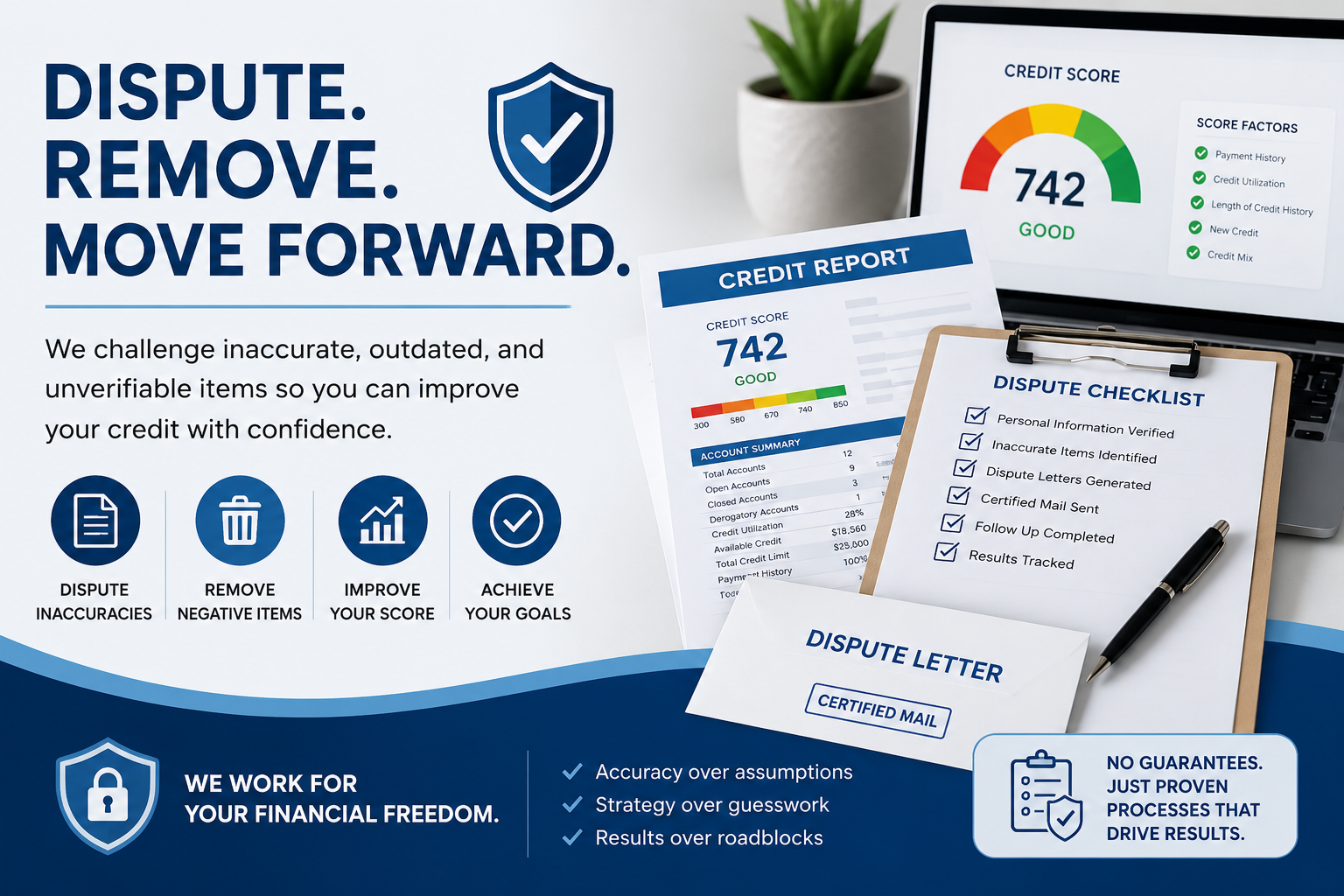
What an attorney-client engagement should cover
An attorney’s role is to evaluate legal questions, litigation deadlines and available remedies, whereas an ordinary credit-repair adviser may focus on obtaining reports and preparing factual disputes. A lawyer-client engagement should clearly state the matter covered and the fees. The reported account should be supported by creditor records before a claim of unlawful furnishing or investigation is made. Some disputes involve legal liability or court judgments that a bureau cannot decide independently. Consumers can seek appropriate legal guidance when a complaint remains unresolved, but no lawyer can promise that a specific model or lender will return a chosen score or approval.
The attorney’s engagement agreement should make the scope of representation and confidentiality duties clear.
Can I repair credit near me with a lawyer when inaccurate reporting has caused a documented denial?
A qualified attorney may evaluate legal claims under reporting statutes, but not every unfavorable decision establishes a violation. Identity theft should be distinguished from the monthly furnishing schedule for ordinary credit cards. A lower score without an error is not proof of a violation. Before hiring consumer protection lawyers, obtain a written explanation of the proposed work and costs.
The Fair Credit Reporting Act can be relevant when a furnisher or bureau mishandles a qualifying dispute. The signed attorney engagement agreement should identify the legal work, who will handle the matter, and the fees; a bureau reporting-date discrepancy is a separate factual question. The relevant legal elements and remedies depend on the facts. An Alabama consumer evaluating a trusted network of lawyers should ask which legal issue a referral would address. Credit report errors involving the discharge date require the actual court order or creditor records as support.
A bureau may investigate an incorrect discharge notation, but a pending motion or appeal follows court deadlines that an attorney must track independently of the reinvestigation schedule.
A consumer-law attorney and a routine adviser do different work
Legal questions can arise when a reporting agency fails to investigate a properly supported dispute, a debt collector allegedly violates federal communication rules or a creditor seeks a judgment. An attorney can assess claims, defenses and litigation deadlines within the scope of an engagement. A general dispute-preparation provider ordinarily works on organizing records and explaining reporting procedures. A company should not suggest that purchasing its template letters establishes a legal right to remove accurate adverse information. The consumer should identify the actual unresolved dispute before deciding which type of professional is needed.
An account that belongs to the consumer may still be reported incorrectly if the amount, delinquency date or ownership information is wrong. A dated statement and the bureau’s investigation response are more useful to a legal reviewer than a prediction of how much the score should improve. A claim involving a court order requires original case documents as well. When records support only that an accurate payment was late, the available remedy is not the same as when the creditor has acknowledged a factual error. Understanding that distinction protects the consumer against unnecessary fees. A bankruptcy credit report should be checked against the discharge order and the creditor’s posted balance.
Bankruptcy records and disputed account liability
A discharge may affect personal liability while prefiling delinquencies remain accurately reported.
Before a credit restoration service addresses credit repair lawyers, the written scope should explain what it will examine in collection lawsuit papers.
Documents that support a consumer reporting claim
A debt-collection lawsuit and a credit reporting dispute are related only when the same account is involved; their procedural requirements are different. A commercial report-review service should not present itself as a law firm unless it is qualified and authorized. The appropriate referral follows the nature of the problem, not the intensity of the advertisement.
Consumers may need a lawyer when their concern involves a summons, statutory damages or an alleged failure to investigate a supported dispute. The proper legal theory should be established from the facts and the relevant jurisdiction; a claim that a score fell does not by itself prove a violation. An attorney’s engagement should describe the services to be performed, confidentiality protections and fees. Ordinary document preparation can be useful, but it is not the same as representation in a lawsuit or legal advice about an enforceable judgment. A reporting dispute does not require a lawyer merely because a trusted network advertises services in Alabama. A bankruptcy credit issue may involve a wrong discharge status even when the filing itself is properly reported.
Fees and conflicts should be disclosed under applicable rules. To evaluate credit report errors involving mistaken identity, counsel should compare the name and account identifiers on the original application with the disputed bureau tradeline.
A website claiming a trusted lawyer network should explain whether listed professionals are actually participating. A referral listing does not establish legal representation or attorney-client privilege.
Fee rules: nothing paid before work is performed
Credit-repair billing can be subject to restrictions on taking advance fees. The exact contract, enrollment method and applicable federal or state rules should be examined before an organization charges for covered work.
Why a network description does not establish representation
A directory, referral service or business website may mention lawyers without making clear which licensed attorney will handle a particular matter. Before sharing financial statements or identity documents, verify the adviser’s professional credentials and obtain a written explanation of the services and data-handling terms. If a court filing is pending, filing deadlines should be evaluated immediately rather than assumed to stop because a complaint was sent to a bureau or regulator. Legal representation typically requires a distinct agreement and understanding of fees from a credit restoration service contract. A correct bankruptcy notation does not justify disputing credit report errors that the consumer cannot identify.
Some problems can be resolved through the reporting process without litigation. A creditor that confirms a mistaken late status may correct the furnished data after receiving the relevant documents. When the bureau nevertheless retains a conflicting entry, the consumer should preserve both versions and the response. The attorney can then evaluate whether the law supplies additional remedies. An authorized user account or a rented tradeline raises a different set of issues about account responsibility and possible misrepresentation, and should not be confused with a reporting agency’s duty to investigate a concrete inaccuracy. A bankruptcy credit report error should be described by the specific affected account and discharge date.
Questions about the reporting decision
Court defense, liability and bureau correction are distinct issues. The relevant papers and deadlines should guide the referral.
Would a legal opinion help me repair credit near me if a debt is the subject of a lawsuit?
An attorney can evaluate litigation duties and the evidence behind an alleged reporting-law violation. Discuss the legal representation documentation
Collection notices and agency responses
A network of lawyers may provide specialized Alabama guidance when a reporting claim involves documented statutory duties.
A consumer can gather prior bureau reports, dispute submissions and creditor responses before the consultation. Those records can help determine whether the reported balance, owner or date actually conflicts with source information. If a collector’s communications are at issue, preserve the notices and a dated communication history separately. No legal professional can assure that a scoring model will produce a specified number, but counsel can assess which rights and remedies may be supported by evidence.
Legal threats should be evaluated by counsel rather than a score forecast.
A credit report repair service is not a substitute for advice from licensed credit repair lawyers when a reporting dispute involves litigation or a legal deadline.
The proposed tasks of a credit report repair service concerning credit repair lawyers must be understandable in the written contract.
A collector communication may raise FDCPA questions separate from bureau accuracy. The consumer should preserve the exact words, dates and business identities.
Potential damages are not automatic
Actual statutory and punitive remedies depend on the governing law and proof. When evaluating potential damages, counsel needs the alleged violation dates, copies of disputed reports and evidence of actual harm; a signed engagement alone does not establish a legal recovery. The credit reporting agencies can receive different updates after a discharge, so compare the affected bureau entry with court records.
A service should not market a lawsuit as a reliable method of earning money.
The attorney can explain risk, cost and the available procedural options.
Guard the factual record through every step
Statements, collection letters, application authorizations and investigation results should be saved under their original dates. A report obtained after a dispute may look different because an issuer furnished its normal monthly update rather than because a legal claim succeeded. A reviewer needs the earlier version to determine what actually changed. New factual evidence can make a follow-up appropriate; repeating a generic allegation may not. A reliable professional should explain which document the next communication depends on and what result would establish a correction to the file. Credit reporting agencies should receive any supported correction to the particular account that was furnished inaccurately.
Consumers can seek information from regulatory complaint channels when the conduct concerns covered financial services, but a complaint is not a substitute for a timely court response or a signed settlement. Statutory duties differ among creditors, furnishers, bureaus and collectors. A business that treats every credit issue as grounds for the same lawsuit or the same deletion letter is ignoring those distinctions. The useful outcome is a properly investigated error and a clear understanding of remaining legal obligations. Identity theft concerns require different evidence than a disagreement about how a valid judgment or bankruptcy is described.
Compare service types before authorizing work
Credit restoration can address genuine mistakes concerning credit repair lawyers while preserving the consumer’s actual borrowing history. A credit restoration service may identify inaccurate report fields but cannot litigate unless properly authorized. A credit report repair service should state its documentary responsibilities.
The consumer should know who is a lawyer and who is an administrative representative.
Legal representation begins with an identifiable claim
A consumer protection attorney may review evidence of identity mix-ups, inaccurate reporting or improper collection conduct. The viability of a legal claim depends on actual statutory duties and documented facts, not merely a low score.
Lawyer referral arrangements should disclose who will handle the case and any fee terms. A network listing is not proof that every member has reviewed or accepted a particular matter.
- Credit Repair Timeline
- Credit Repair Near Me
- Mortgage Approval Credit Repair
- Credit Repair Consultation
- Bad credit mortgage brokers near me
- Can i get a mortgage with a 550 credit score
- Can you get a joint mortgage if one person has bad credit
- FHA loan bad credit
- FHA loan minimum credit score requirements
- First time home buyer programs bad credit
- Hard money home loans for primary residence
- Home loans for 500 credit score
- How much down payment for a mortgage with bad credit
- How to buy a house with bad credit
- How to fix credit score quickly for a mortgage
- Minimum credit score for home loan
- No credit check mortgage lenders
- Portfolio lenders for bad credit
- Rent to own homes no credit check
- Subprime mortgage lenders
- Unconventional mortgage loans with bad credit
- USDA loan credit score requirements
- VA loan with poor credit
Related account reading: Tuscaloosa mortgage credit · trussville Alabama home loan credit report review · tuscaloosa mortgage credit preparation
The accountable next action for the attorney engagement agreement
The engagement agreement should state the scope and fees, especially when collector conduct or court deadlines are involved. Review the credit repair lawyers concern