A messy credit file can make one old account feel like the entire problem. In reality, approval concerns usually come from the relationship between dates, balances, status, recent updates, and current positive behavior. That is why the first step should be a measured review rather than a rushed dispute.
This post focuses on approval review mistakes. The common problem is that last-minute disputes, payments, new accounts, or high balances may make a file harder to read. That does not mean every negative item can be removed, and it does not mean a single step fixes the file. It means the account should be reviewed with enough detail to understand what is accurate, what is incomplete, what is outdated, and what may need supporting proof.
The practical goal is to avoid moves that create confusion right before a mortgage, auto, or apartment decision. A consumer who understands the account before acting is less likely to send vague disputes, make poorly timed payments, or apply while the file is still sending mixed signals. For related background, compare the account against credit repair experts page, then use credit repair results timeline and pricing and plan options when the situation calls for a broader review.
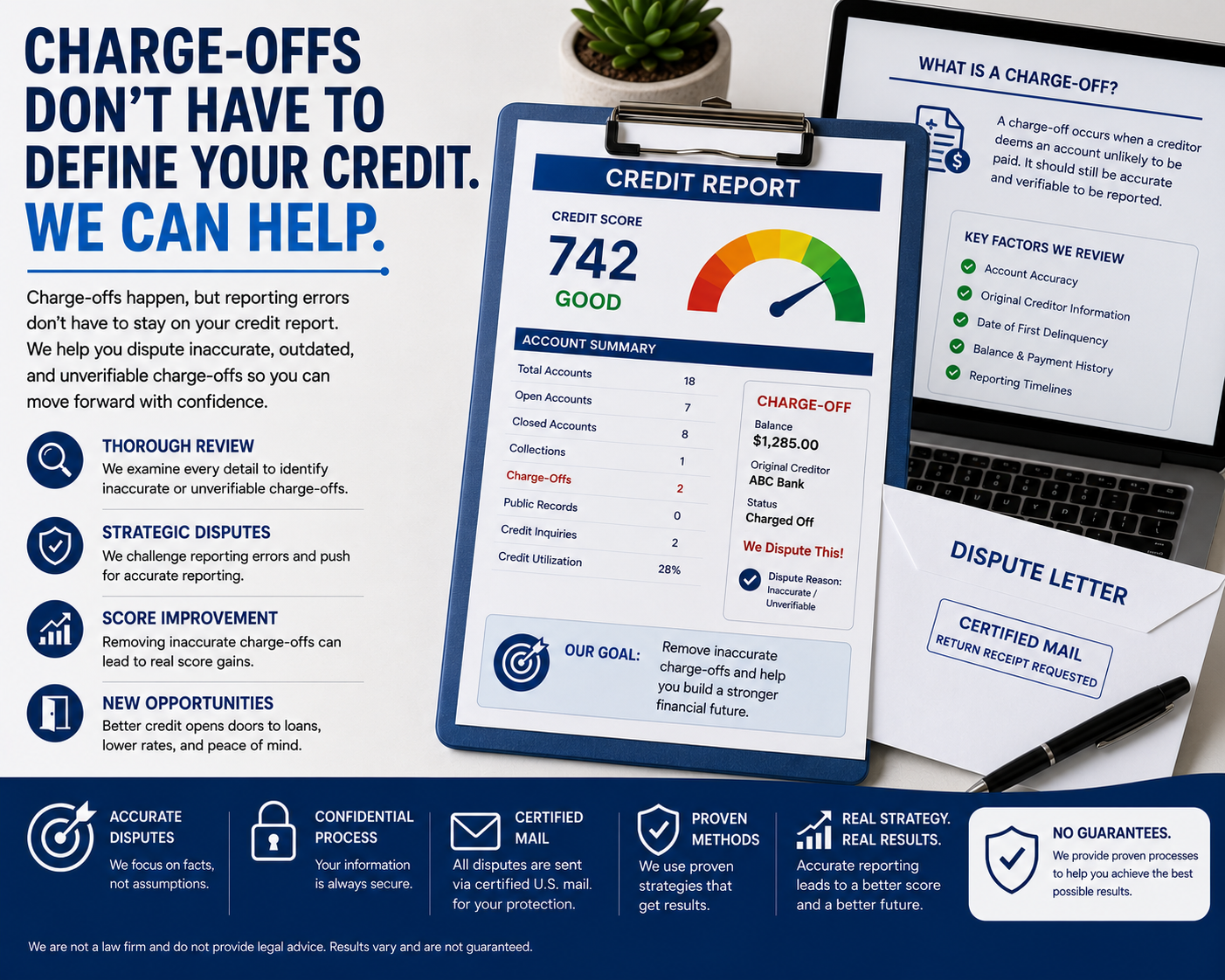
How a Reviewer May Read the Account
An underwriter, landlord, or finance manager usually does not know the personal story behind the account. They see status, balance, payment pattern, date reported, dispute remarks, and whether the consumer has built stable history since the problem occurred. With approval review mistakes, the concern is not only the account name. It is whether the file suggests current risk or an old issue that has been organized and addressed.
A reviewer may notice whether the balance is still owed, whether the date looks recent, whether the original creditor and collection company both appear, and whether other accounts are being managed well. Current utilization, open late payments, and new inquiries can make an old derogatory account feel more important. The credit report dispute process can help compare how bureau-level details may shift the review.
What Creates Friction Before Approval
Friction usually appears when the report is difficult to explain. A settled account with no letter, a collection that changed hands, an old charge-off still updating, or a dispute remark during a loan review can create extra questions. The account may be completely familiar to the consumer, but the reviewer only sees the data. If the data is messy, the file may need more documentation before the next step.
That is why the sequence matters. Before a major application, compare balances, account dates, ownership, remarks, and personal information. Use collections removal guide to keep expectations realistic, and review charge-off reporting guide if the next decision has a short timeline.
Documents That Help Tell the File’s Story
Helpful documentation may include settlement letters, paid confirmations, account statements, collector notices, credit report screenshots, insurance explanations, proof of identity, address history, or a lender request list. The exact file depends on the account. The main point is that a consumer should not wait until the final review to start gathering records.
If the account is disputed, the dispute should be narrow and supported. If it is paid or settled, the proof should be saved before the report changes. If it involves a collector or debt buyer, the ownership path matters. A focused comparison with timeline for credit report review and credit repair pricing page can keep the process grounded.
Rebuilding Signals Still Matter
A consumer can work on reporting accuracy and still build stronger current signals. On-time payments, lower revolving balances, careful use of new credit, and consistent account management can help the file look less unstable while older problems are reviewed. For rebuilding support, credit repair education guide and late payment review process can fit into the broader plan.
The safest path is usually not dramatic. It is organized: review the file, gather proof, choose the next action, track the response, and keep current accounts protected. That is especially important when the next goal involves a home, apartment, car, or other approval where timing matters.
A Practical Way to Sort the Next Step
Consumers should be careful with advice that treats every account the same. Medical collections, auto charge-offs, BNPL late payments, debt buyer accounts, and old revolving charge-offs can each have different records and different timing concerns. The best next step depends on the documents available and the decision coming next.
Progress should be measured in more than score movement. A better file may have clearer account status, lower balances, fewer unresolved errors, better documentation, and stronger current payment behavior. Those pieces help create a more organized credit picture even when some old history remains. The safest action is the one supported by the report, the documents, and the next real-life approval goal.
When the File Is More Complicated Than One Account
A good credit repair plan also looks for what is current. Old negative items may be painful, but current accounts often control whether the file looks stable. A person who lowers balances, protects open accounts, and avoids unnecessary applications may give future reviewers a better picture while older issues are being challenged or documented.
How to Keep the Review Practical
A practical review asks what the account is, who is reporting it, which bureau is showing it, what date appears, what balance appears, and what documents are available. It also asks what the consumer is trying to accomplish next. The answer may be different for a mortgage review, an apartment application, an auto approval, or a general rebuilding plan. When the next goal is clear, the credit repair work can be sequenced with less confusion.
Consumers should also keep a simple tracking sheet. Record the date the report was pulled, the account name, the bureau, the exact problem, the documents available, the action taken, and the result. This keeps the file organized and makes it easier to see whether a response actually fixed the reporting issue or only changed a small detail.
Questions Consumers Often Ask
Can approval review mistakes be disputed?
It can be reviewed for dispute only when there is a factual issue, such as wrong balance, wrong status, duplicate reporting, outdated dates, missing ownership details, or an account that does not belong to the consumer. A dispute should be supported by documents whenever possible.
Should I pay first or dispute first?
That depends on the account, the documents available, and the next approval goal. Paying without records can make later correction harder. Disputing without a factual basis can waste time. Review the report and gather proof before deciding the order.
Will this stop me from getting approved?
It may affect a review, but approval decisions depend on the full file, including income, balances, recent payment behavior, debt ratios, account age, and the type of application. The goal is to reduce avoidable risk signals before the file is reviewed.
How long should I track the account after it changes?
Track the account through at least one full update cycle and compare all three bureaus. If the account changes after a dispute, payment, settlement, or transfer, save the updated report and compare it with your earlier copy.
Consumers should be careful with advice that treats every account the same. Medical collections, auto charge-offs, BNPL late payments, debt buyer accounts, and old revolving charge-offs can each have different records and different timing concerns. The best next step depends on the documents available and the decision coming next.
It is also helpful to avoid creating new confusion. Opening several accounts, disputing everything at once, paying an account without saving records, or applying during an active correction period can make the file harder to read. A slower sequence may protect the next approval review.
Progress should be measured in more than score movement. A better file may have clearer account status, lower balances, fewer unresolved errors, better documentation, and stronger current payment behavior. Those pieces help create a more organized credit picture even when some old history remains.
A good credit repair plan also looks for what is current. Old negative items may be painful, but current accounts often control whether the file looks stable. A person who lowers balances, protects open accounts, and avoids unnecessary applications may give future reviewers a better picture while older issues are being challenged or documented.
The account name alone does not tell the full story. The bureau entry may contain a status, remark, balance, date opened, date reported, and ownership trail. Each field can matter. A correction request should be tied to the field that appears wrong, incomplete, or unsupported.
Consumers should be careful with advice that treats every account the same. Medical collections, auto charge-offs, BNPL late payments, debt buyer accounts, and old revolving charge-offs can each have different records and different timing concerns. The best next step depends on the documents available and the decision coming next.
It is also helpful to avoid creating new confusion. Opening several accounts, disputing everything at once, paying an account without saving records, or applying during an active correction period can make the file harder to read. A slower sequence may protect the next approval review.
Progress should be measured in more than score movement. A better file may have clearer account status, lower balances, fewer unresolved errors, better documentation, and stronger current payment behavior. Those pieces help create a more organized credit picture even when some old history remains.
A good credit repair plan also looks for what is current. Old negative items may be painful, but current accounts often control whether the file looks stable. A person who lowers balances, protects open accounts, and avoids unnecessary applications may give future reviewers a better picture while older issues are being challenged or documented.
The account name alone does not tell the full story. The bureau entry may contain a status, remark, balance, date opened, date reported, and ownership trail. Each field can matter. A correction request should be tied to the field that appears wrong, incomplete, or unsupported.
Consumers should be careful with advice that treats every account the same. Medical collections, auto charge-offs, BNPL late payments, debt buyer accounts, and old revolving charge-offs can each have different records and different timing concerns. The best next step depends on the documents available and the decision coming next.
It is also helpful to avoid creating new confusion. Opening several accounts, disputing everything at once, paying an account without saving records, or applying during an active correction period can make the file harder to read. A slower sequence may protect the next approval review.
Progress should be measured in more than score movement. A better file may have clearer account status, lower balances, fewer unresolved errors, better documentation, and stronger current payment behavior. Those pieces help create a more organized credit picture even when some old history remains.
A good credit repair plan also looks for what is current. Old negative items may be painful, but current accounts often control whether the file looks stable. A person who lowers balances, protects open accounts, and avoids unnecessary applications may give future reviewers a better picture while older issues are being challenged or documented.
The account name alone does not tell the full story. The bureau entry may contain a status, remark, balance, date opened, date reported, and ownership trail. Each field can matter. A correction request should be tied to the field that appears wrong, incomplete, or unsupported.
Consumers should be careful with advice that treats every account the same. Medical collections, auto charge-offs, BNPL late payments, debt buyer accounts, and old revolving charge-offs can each have different records and different timing concerns. The best next step depends on the documents available and the decision coming next.
It is also helpful to avoid creating new confusion. Opening several accounts, disputing everything at once, paying an account without saving records, or applying during an active correction period can make the file harder to read. A slower sequence may protect the next approval review.
Progress should be measured in more than score movement. A better file may have clearer account status, lower balances, fewer unresolved errors, better documentation, and stronger current payment behavior. Those pieces help create a more organized credit picture even when some old history remains.