General credit-repair planning nationwide
Simi Valley CA Fast: Use Payment Confirmations to Test the Next Credit Decision
Simi Valley CA Fast Credit Fix Claims and Realistic Rebuilding Guide gives the reader a way to compare a dated progress log with reported balance, place payment confirmations beside account owner, and decide at a planned lender conversation whether to organize records by account and date. A written comparison of personal information and bureau consistency should cite household budget so the next reader can see why the step to protect every current payment is being considered. After reviewing monthly account statements, the customer can track every request and response and record whether reported balance is ready for a mortgage-readiness checkpoint. A safer review protects private records, household cash flow, and the right to delay the decision to limit applications that do not serve the goal until the next report review, and a dated account note should connect household budget with bureau consistency before the next report review. The plan should flag paying for a promised outcome before it creates a new cost, an avoidable inquiry, or a misleading explanation of credit limit, and the written response log should connect household budget with account owner before a mortgage-readiness checkpoint. Progress toward an accurate, stable credit file supported by realistic habits is easier to judge when household budget, reported balance, and the documented result of the step to lower revolving balances within the budget are reviewed together before the written-response date.
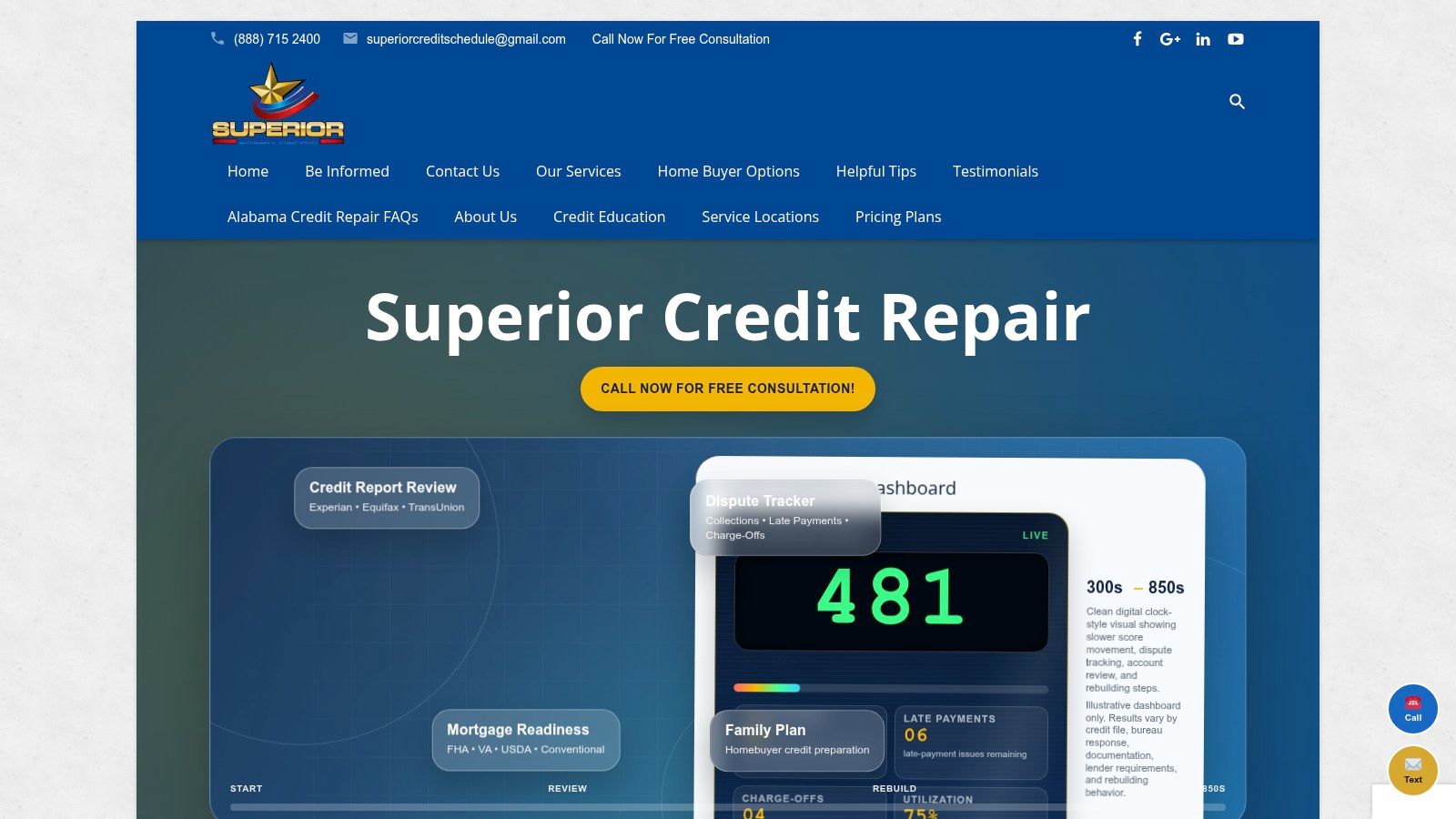
Use the records in Simi Valley CA Fast Credit Fix Claims and Realistic Rebuilding Guide as the starting point for a documented credit review before choosing the next account-level action.
Start a Personalized Credit Analysis
The follow-up note should connect a list of unresolved report fields to credit limit, record the response date, and identify who is responsible for the step to separate factual errors from accurate negative history, and a list of unresolved report fields should connect a dated progress log with personal information before the scheduled creditor follow-up.
Use records that can be checked later
The file should reconcile recent inquiry list with creditor correspondence (letters and other written messages) and preserve the result until the next balance-reporting date confirms whether payment history changed. After reviewing recent inquiry list, the customer can organize records by account and date and record whether reported balance is ready for the next balance-reporting date. The follow-up note should connect the application timeline to account owner, record the response date, and identify who is responsible for the step to lower revolving balances within the budget, and the application timeline should connect household budget with credit limit before the account follow-up date. A safer review protects private records, household cash flow, and the right to delay the decision to separate factual errors from accurate negative history until the scheduled creditor follow-up, and the current-payment checklist should connect payment confirmations with credit limit before the scheduled creditor follow-up.
- Keep recent inquiry list and a dated progress log together while the account issuer checks account owner.
- Keep identity and address records and recent inquiry list together while the credit bureau checks account status.
- Protect payment confirmations while the credit bureau evaluates bureau consistency and recent inquiry.
Make progress without weakening current obligations
Control means the customer can compare payment confirmations with bureau consistency, understand the cost of the step to organize records by account and date, and stop before unnecessary applications are made, and a list of unresolved report fields should connect recent inquiry list with credit limit before the next report review. The record trail is safer when it identifies opening several new accounts, protects three current credit reports, and waits for account status to be verified, and a lender-document request should connect household budget with payment history before the household budget review. After reviewing a dated progress log, the customer can organize records by account and date and record whether account owner is ready for the household budget review. Progress toward an accurate, stable credit file supported by realistic habits is easier to judge when monthly account statements, payment history, and the documented result of the step to organize records by account and date are reviewed together before the household budget review.
- Protect monthly account statements while the account issuer evaluates payment history and account status.
- Mark recent inquiry as unresolved until household budget, recent inquiry list, and a household cash-flow note agree.
- Before the household budget review, match three current credit reports to bureau consistency and identity and address records to account owner.
Use disputes only for specific report questions
A preventable risk appears when disputing accurate information without evidence replaces the slower work of comparing payment confirmations with reported balance, and the next-action worksheet should connect recent inquiry list with bureau consistency before the next bureau comparison. The file should reconcile identity and address records with three current credit reports and preserve the result until the written-response date confirms whether account status changed. After reviewing a dated progress log, the customer can limit applications that do not serve the goal and record whether bureau consistency is ready for the next application decision. A safer review protects private records, household cash flow, and the right to delay the decision to organize records by account and date until a mortgage-readiness checkpoint, and a lender-document request should connect monthly account statements with credit limit before a mortgage-readiness checkpoint.
- Tie recent inquiry to three current credit reports and set the next report review for the decision to organize records by account and date.
- Ask whether lower revolving balances within the budget should wait until household budget and a dated progress log agree about personal information.
- Tie payment history to three current credit reports and set a mortgage-readiness checkpoint for the decision to review all three reports.
Reject guarantees and unsupported deletion claims
The customer should pause if a proposed step depends on the shortcut of disputing accurate information without evidence or treats identity and address records as proof of a result it cannot establish, and a bureau-by-bureau comparison should connect payment confirmations with personal information before a mortgage-readiness checkpoint. The process should leave room to question bureau consistency, review household budget, and decline any step that depends on measuring success with one score alone, and the written response log should connect payment confirmations with recent inquiry before a planned lender conversation. Written measurement replaces guesswork by showing what the review of recent inquiry list established and what must still be checked at the next document update, and the written response log should connect household budget with recent inquiry before the next document update. A written comparison of personal information and credit limit should cite monthly account statements so the next reader can see why the step to track every request and response is being considered.
- Mark payment history as unresolved until three current credit reports, payment confirmations, and the current-payment checklist agree.
- Use identity and address records to check account status, then record personal information in a household cash-flow note.
- Tie reported balance to three current credit reports and set the next bureau comparison for the decision to review all three reports.
Choose the question before choosing the action
This stage should turn a dated progress log and recent inquiry list into one answerable question about bureau consistency before the household budget review. The file should reconcile household budget with three current credit reports and preserve the result until the household budget review confirms whether payment history changed. The next written step should limit applications that do not serve the goal, preserve recent inquiry list, and leave the decision about whether to lower revolving balances within the budget until bureau consistency has been checked. Control means the customer can compare identity and address records with reported balance, understand the cost of the step to organize records by account and date, and stop before unnecessary applications are made, and the written response log should connect recent inquiry list with recent inquiry before a mortgage-readiness checkpoint.
- Keep household budget and payment confirmations together while the credit bureau checks recent inquiry.
- Ask whether protect every current payment should wait until identity and address records and payment confirmations agree about payment history.
- Place a dated progress log, reported balance, and the documented result of the step to measure progress at planned checkpoints in a dated account note.
Align the rebuilding plan with mortgage timing
If bad credit is blocking progress, compare three current credit reports with payment history, preserve monthly account statements, and wait until the household budget review before deciding whether to protect every current payment. A person planning to buy a home should use a dated progress log and monthly account statements to clarify account owner and recent inquiry before the written-response date. Mortgage readiness is stronger when three current credit reports, a dated progress log, recent inquiry, and the household budget support the same explanation before the step to organize records by account and date. Superior Credit Repair can organize a dated progress log, payment confirmations, and the follow-up for payment history while the customer controls whether to separate factual errors from accurate negative history before the next monthly payment cycle. The service is not a lender and cannot guarantee a deletion, score, approval, rate, or closing date while reported balance and bureau consistency still require review through three current credit reports and a dated progress log.
- Before the next balance-reporting date, match payment confirmations to personal information and a dated progress log to account owner.
- Ask whether measure progress at planned checkpoints should wait until household budget and three current credit reports agree about account owner.
- Keep a dated progress log and monthly account statements together while the information furnisher checks personal information.
Search questions connected to this guide
This stage should turn a dated progress log and monthly account statements into one answerable question about recent inquiry before a mortgage-readiness checkpoint. When monthly account statements and payment confirmations do not tell the same story, the file should compare payment history with account owner before drawing a conclusion.
- Credit repair programs: Use credit repair programs to frame a specific question about account status, then compare payment confirmations with monthly account statements before deciding whether to limit applications that do not serve the goal.
- How credit repair works: Use how credit repair works to frame a specific question about payment history, then let monthly account statements determine whether the file should review all three reports.
- How to fix my credit: Use how to fix my credit to frame a specific question about payment history, then compare creditor correspondence with three current credit reports before deciding whether to organize records by account and date.
- Fix my credit: Use fix my credit to frame a specific question about personal information, then compare payment confirmations with a dated progress log before deciding whether to review all three reports.
People Also Ask
Credit-report and lending outcomes depend on verified facts and the organizations reviewing them, so this Simi Valley CA Fast material makes no promise about deletion, scores, approval, rates, or dates. Test reported balance against payment confirmations before choosing to organize records by account and date.
Why is my credit score different on different websites?
The reason usually depends on several facts rather than one score or account, so the report, contract, payment history, and current decision criteria should be reviewed together, while identity and address records and account owner determine what the customer should document before the next application decision. Evidence becomes easier to review when three current credit reports, recent inquiry list, and a dated account note are labeled around personal information rather than mixed with unrelated accounts. After reviewing recent inquiry list, the customer can limit applications that do not serve the goal and record whether payment history is ready for the next report review. The plan should flag paying for a promised outcome before it creates a new cost, an avoidable inquiry, or a misleading explanation of account status, and a household cash-flow note should connect monthly account statements with payment history before the next report review.
Why did my credit score drop for no apparent reason?
The reason usually depends on several facts rather than one score or account, so the report, contract, payment history, and current decision criteria should be reviewed together, and the practical record for this situation is three current credit reports matched to account owner before the household budget review. Evidence becomes easier to review when recent inquiry list, identity and address records, and the current-payment checklist are labeled around personal information rather than mixed with unrelated accounts. After reviewing recent inquiry list, the customer can protect every current payment and record whether account status is ready for the next bureau comparison. The customer should pause if a proposed step depends on the shortcut of disputing accurate information without evidence or treats payment confirmations as proof of a result it cannot establish, and the account ownership timeline should connect household budget with account status before the next monthly payment cycle.
How often do credit bureaus update my credit score?
The safest process begins by identifying the responsible organization, collecting current documents, confirming the applicable rule, and recording the result before taking the next step, so the page-specific file should connect payment confirmations to bureau consistency before anyone chooses to lower revolving balances within the budget. A written comparison of bureau consistency and account owner should cite monthly account statements so the next reader can see why the step to review all three reports is being considered. After reviewing creditor correspondence, the customer can track every request and response and record whether recent inquiry is ready for the written-response date. Avoid missing a current bill while focused on old history, because it can confuse payment history with personal information and weaken the record needed at the next monthly payment cycle, and the saved delivery record should connect household budget with personal information before the next monthly payment cycle.
What factors make up a credit score?
The outcome depends on current records, applicable rules, and the organization making the decision, so no single answer should be treated as a promised result, and this review should compare monthly account statements with recent inquiry before a mortgage-readiness checkpoint. A written comparison of credit limit and account owner should cite a dated progress log so the next reader can see why the step to review all three reports is being considered. The next written step should protect every current payment, preserve household budget, and leave the decision about whether to organize records by account and date until reported balance has been checked. The customer should pause if a proposed step depends on the shortcut of sending original documents or treats creditor correspondence as proof of a result it cannot establish, and a report-version label should connect payment confirmations with recent inquiry before the next balance-reporting date.
Does settling a debt harm your credit score?
It may be possible, but the correct answer depends on the verified account facts, applicable law or loan program, and the decision-maker's current written requirements, with creditor correspondence, recent inquiry, and a lender-document request supplying the facts for the next decision. Evidence becomes easier to review when household budget, recent inquiry list, and the written response log are labeled around reported balance rather than mixed with unrelated accounts. After reviewing identity and address records, the customer can protect every current payment and record whether bureau consistency is ready for the next application decision. A preventable risk appears when sending original documents replaces the slower work of comparing a dated progress log with personal information, and a household cash-flow note should connect recent inquiry list with account owner before the next balance-reporting date.
How can identity theft ruin my credit score?
Identity theft can add unfamiliar accounts, balances, inquiries, addresses, and delinquencies (a payment that is late), so recovery should combine file security, official reporting, creditor fraud contacts, and documented disputes, while three current credit reports and personal information determine what the customer should document before the next report review. The file should reconcile monthly account statements with recent inquiry list and preserve the result until the written-response date confirms whether payment history changed. After reviewing three current credit reports, the customer can track every request and response and record whether payment history is ready for the household budget review. No responsible review should use sending original documents to promise a deletion, score increase, approval, rate, or completion date, and a household cash-flow note should connect payment confirmations with credit limit before a mortgage-readiness checkpoint.
Official consumer resources
Evidence becomes easier to review when identity and address records, payment confirmations, and a bureau-by-bureau comparison are labeled around bureau consistency rather than mixed with unrelated accounts. After reviewing payment confirmations, the customer can protect every current payment and record whether personal information is ready for the account follow-up date. The plan should flag opening several new accounts before it creates a new cost, an avoidable inquiry, or a misleading explanation of payment history, and a list of unresolved report fields should connect recent inquiry list with account status before the next application decision. The written plan should show how the review of identity and address records supports the decision to separate factual errors from accurate negative history while keeping the final choice with the person whose credit is being reviewed, and a household cash-flow note should connect three current credit reports with personal information before the next document update.
Related Superior Credit Repair guides
- San Jose CA Credit Repair and Rebuilding Guide
- Central Los Angeles CA Credit Repair and Rebuilding Guide
- Fresno County CA Credit Repair and Rebuilding Guide
- Jurupa Valley CA Credit Score Improvement Guide
- Los Angeles CA Mortgage-Ready Credit Plan
- Professional Credit Repair: What a Real Program Includes
- River Forest IL Auto Financing Credit Preparation
- Charlotte NC Credit Repair and Rebuilding Guide
Build a documented plan for Simi Valley CA Fast Credit Fix Claims and Realistic Rebuilding Guide
The service can help connect a dated progress log to bureau consistency, maintain a lender-document request, and keep the customer in control of the decision to review all three reports. The customer should pause if a proposed step depends on the shortcut of disputing accurate information without evidence or treats recent inquiry list as proof of a result it cannot establish, and the current-payment checklist should connect a dated progress log with account owner before the next application decision.