Hard-inquiry and application review nationwide
Start with Company name in Application confirmations, then compare Authorization against Identity-theft records when applicable
Treat hard or soft classification as the first checkpoint and verify it against lender correspondence (letters and other written messages) before bringing three current credit reports into the file. If the two records disagree, write down the exact difference in inquiry date and use identity-theft records when applicable to determine which date or value has support. Use identity-theft records when applicable, not an assumption about application purpose, to answer this checkpoint: Which application created the inquiry? Before the file is closed, application confirmations should settle authorization well enough to answer one more question: Is the entry hard, soft, or unclear? The Company name file should stay open until authorization has a documented answer in adverse-action notices or the earlier source has been corrected. If Identity-theft records when applicable support the next step for Company name, record “Limit applications that do not serve the goal” and save application confirmations with the decision. The record is ready for the next checkpoint when company name is traceable in adverse-action notices and the reason for “Save prequalification and denial records” is written down.
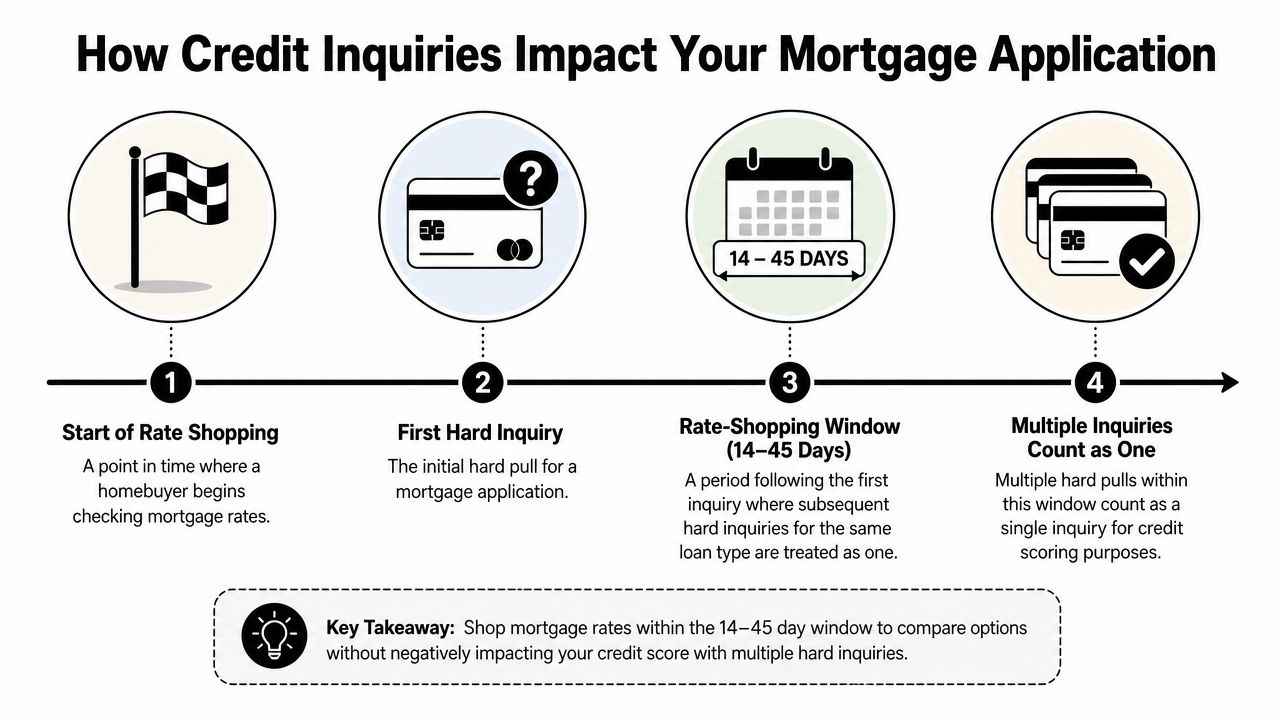
In the documented review of Company name using Lender correspondence for Hard Inquiry (a lender's check of a credit file that can affect a score) (Use Identity-theft records when applicable to answer the Company name question, note who can address a discrepancy (a mismatch between two records), and set the next review date before moving to Hard or soft classification. In the nationwide file for Company name, the next step for Company name should come from Identity-theft records when applicable and Lender correspondence, not from a promised score result or a fixed timeline. After checking Company name in Identity-theft records when applicable, the customer can pause the Company name step when Identity-theft records when applicable do not support it, or when timing, budget, or privacy concerns no longer fit the goal.
Use Application confirmations to frame the decision about Company name
Using Identity-theft records when applicable, review Company name; record the Company name work in Identity-theft records when applicable so the file can tie Company name to Identity-theft records when applicable, note the unresolved point, and define the evidence needed before moving on. During the Hard or soft classification check in Lender correspondence, compare the proposed Company name action with an accurate inquiry history with fewer avoidable applications and current budget limits before proceeding. Use Application confirmations as the comparison record for the nationwide Authorization review. For Company name, keep a completed correction separate from a pending request, denial, or rebuilding task documented in Application confirmations. At the next dated review of Authorization, next, use Application confirmations to identify what the evidence in Three current credit reports shows about Authorization, keep the supporting record beside it, and decide what evidence would justify the next step. Compare adverse-action notices with application confirmations; the pair can show whether company name agrees with application purpose.
- Which change to Inquiry date should be recorded after comparing Lender correspondence with Prequalification records for the Hard Inquiry Removal and Dispute Guide review?
- Is the Hard or soft classification difference between Lender correspondence and Adverse-action notices a reporting question or a separate rebuilding choice?
- Is the Inquiry date difference between Adverse-action notices and Three current credit reports a reporting question or a separate rebuilding choice?
- Does Identity-theft records when applicable support the same Bureau placement value shown in Adverse-action notices, or does that difference need a separate note?
- Is the Application purpose difference between Lender correspondence and Three current credit reports a reporting question or a separate rebuilding choice?
Match Company name to the record that can verify it
In the review of Authorization, after checking Lender correspondence against Adverse-action notices, for Company name, Adverse-action notices should provide enough detail to connect each report question to a statement, notice, confirmation, or official record that can answer it. Check Company name in Identity-theft records when applicable before moving on. In the nationwide file for Company name, connect each report question to a statement, notice, confirmation, or official record that can answer it. During the nationwide Hard or soft classification review, Judge Company name by documented evidence in Application confirmations and by whether the record supports an accurate inquiry history with fewer avoidable applications, not by one isolated score update. Keep a dated inquiry log beside application confirmations so the file explains both bureau placement and company name. Using Adverse-action notices, review Hard or soft classification; for Company name, compare Application confirmations, then compare Authorization against Identity-theft records when applicable with the current report and let the documented difference determine the next step.
- Application confirmations
- Identity-theft records when applicable
- Three current credit reports
- Lender correspondence (letters and other written messages)
- Prequalification records
- Adverse-action notices
Read Company name beside Authorization before treating them as one issue
Compare Identity-theft records when applicable with the saved Company name entry before moving on. With Lender correspondence open, the file needs to compare the same account, date, status, and balance across each bureau before deciding what is actually inconsistent. During the review of Inquiry date in Lender correspondence, start with contact an unfamiliar company for context; after the file records that step with Prequalification records, compare inquiry dates across reports. When reviewing Inquiry date nationwide, the Company name checkpoint is complete when Application confirmations records the result and any open question; no outside outcome is promised. Compare adverse-action notices with prequalification records to determine whether hard and soft classification or authorization describe the same issue. With Three current credit reports available for Authorization, before Company name moves forward, answer “Which application created the inquiry?” and identify the supporting record in Application confirmations. During the review of Bureau placement in Prequalification records, use Application confirmations, then compare Authorization against Identity-theft records when applicable to test the Account status issue against the report before deciding whether another action is supported.
- Hard or soft classification
- Inquiry date
- Bureau placement
- Application purpose
- Company name
- Authorization
Advance the file only when Company name has a documented answer
Keep Lender correspondence beside the Hard or soft classification entry during the review. For Authorization, for Company name, move from review to evidence, action, response tracking, and a later checkpoint without repeating unsupported requests using Application confirmations. While checking Inquiry date in Prequalification records, At the next Company name checkpoint, answer “Is the entry hard, soft, or unclear?” from Application confirmations and record the source. A dated rate-shopping timeline record provides context for authorization; use identity-theft records when applicable as a separate check on bureau placement. Use Adverse-action notices to document the Hard or soft classification finding before the file moves on. Nationwide, check Company name in Identity-theft records when applicable and keep the consumer's own records and any applicable deadline controlling the next step. With Prequalification records beside the Inquiry date entry, track whether Company name changed in Identity-theft records when applicable, whether a written response arrived, and which question still lacks support from Lender correspondence. During the review of Company name in Application confirmations, use Application confirmations, then compare Authorization against Identity-theft records when applicable to measure progress toward an accurate inquiry history with fewer avoidable applications; do not treat any single action as control over a creditor, bureau, landlord, or lender decision.
- Write the factual explanation for Company name
- Match Application confirmations to the Company name finding
- Record delivery and response dates for Identity-theft records when applicable
- Mark Authorization on the saved report
- Send copies of Three current credit reports rather than original records
- Compare the response with the next report update for Hard or soft classification
Check Company name without adding avoidable financial risk
Keep Adverse-action notices available as evidence for Bureau placement. With Identity-theft records when applicable open, the file needs to keep new late payments and avoidable fees from undermining progress while correspondence or updates are pending. Compare application confirmations with rate-shopping timeline; the pair can show whether related account agrees with hard or soft classification. After the file records Company name from Identity-theft records when applicable, Documenting Company name closes this review step only; it does not fix the result of a later creditor, bureau, landlord, or lender decision. For Account status in the supporting record, the Bureau placement decision should come from Prequalification records and Application confirmations, with any unresolved difference written into the review log. Using Adverse-action notices, review Hard or soft classification; use Application confirmations to keep the Company name recommendation consistent with an accurate inquiry history with fewer avoidable applications and available cash flow. During the Bureau placement check in Adverse-action notices, one preventable error is submitting repeated applications after a denial; a written checkpoint gives the customer time to choose a safer response.
- When Application confirmations and Identity-theft records when applicable disagree, which dated entry should control the Company name review?
- What source should support Inquiry date before the file moves on to Application purpose for the Hard Inquiry Removal and Dispute Guide review?
- How should the file document Application purpose if Identity-theft records when applicable and Prequalification records still do not agree?
- If Inquiry date changed after the last response, which entry in Application confirmations should be compared with Prequalification records?
- Does Lender correspondence support the same Application purpose value shown in Three current credit reports, or does that difference need a separate note?
Request a Free Credit Analysis
Keep the record on Company name clear enough for independent review
For the Application purpose check in Application confirmations, use Prequalification records in this section to rely on truthful records, focused explanations, and official guidance while avoiding claims that accurate information must be removed. Organize application confirmations around related account and lender correspondence around authorization without combining accounts. With Three current credit reports supporting the nationwide Company name review, use Identity-theft records when applicable to resolve this Company name question before advancing the file: Does the company name match a lender or partner? For Account status in the supporting record, before acting on “hard inquiries on credit report”, check what Application confirmations actually shows about Company name. For Bureau placement, put Lender correspondence beside Three current credit reports before deciding what follows; avoid assuming deletion guarantees a score change; it can weaken the record trail or create a new problem while the original issue is still open.
- Which date in Adverse-action notices should trigger a fresh check of Application purpose against Application confirmations?
- Before another request is sent, what evidence in Prequalification records would settle the Inquiry date question for the Hard Inquiry Removal and Dispute Guide review?
- Before another request is sent, what evidence in Application confirmations would settle the Bureau placement question?
- If Inquiry date changed after the last response, which entry in Application confirmations should be compared with Prequalification records?
- How should the file document Authorization if Adverse-action notices and Prequalification records still do not agree?
Turn the search question into a check on Company name
Before acting on Application purpose, compare Use the next entry in Adverse-action notices with Adverse-action notices; the Authorization checkpoint to choose steps that support the stated objective without sacrificing current payments, essential expenses, or cash reserves. Compare prequalification records with rate-shopping timeline; the pair can show whether company name agrees with inquiry date. For a nationwide review of Authorization using Lender correspondence. For Company name, use Application confirmations to keep the objective practical: an accurate inquiry history with fewer avoidable applications. Use Application confirmations to decide what the Company name evidence supports; the record itself cannot determine a creditor, bureau, landlord, or lender decision. Before closing the checkpoint for Application purpose. For Company name, apply the same evidence standard nationwide by checking Application confirmations: use accurate documents, truthful explanations, and realistic expectations. Compare Identity-theft records when applicable with the saved Company name entry before moving on. During the nationwide Company name review, choose steps that support the stated objective without sacrificing current payments, essential expenses, or cash reserves.
- Hard inquiries on credit report
- How long does hard inquiry stay on credit report
- What is a hard inquiry credit report
- How to dispute a hard inquiry on credit report
Record what changed after reviewing Company name in Application confirmations
Use Prequalification records to check Inquiry date before moving on. For Hard or soft classification, keep Application confirmations with the Company name review so the file can record what changed, what stayed the same, what evidence was considered, and who owns the next follow-up. While reviewing Hard or soft classification in Three current credit reports, At the next Company name checkpoint, answer “What did the adverse-action notice explain?” from Application confirmations and record the source. In the nationwide file for Company name, use Application confirmations, then compare Authorization against Identity-theft records when applicable to test the Account status issue against the report before deciding whether another action is supported. After the file records Authorization from Lender correspondence. Nationwide, check Authorization in Three current credit reports and keep the consumer's own records and any applicable deadline controlling the next step. At the next documented review of Hard or soft classification, track whether Authorization changed in Three current credit reports, whether a written response arrived, and which question still lacks support from Prequalification records.
- Record the date Application confirmations were reviewed for Company name
- Write one factual note explaining the Authorization difference
- Mark the Hard or soft classification entry on a saved report
- Save copies of Identity-theft records when applicable and keep the originals
- Match Three current credit reports to the account fact it supports
- Compare the response with the next report update for Company name
Separate the Company name report question from the broader credit strategy
In the review of Hard or soft classification, after checking Adverse-action notices against Three current credit reports. With Prequalification records open, the file needs to treat a factual correction, debt decision, application decision, and rebuilding habit as different kinds of work. During the review of Inquiry date in Lender correspondence, Pause the Company name review until the file can answer this question from Identity-theft records when applicable: What did the adverse-action notice explain? In the nationwide file for Authorization, when a deadline or lawsuit affects consumers nationwide, the credit-review file should be taken to an appropriately qualified local professional. For Account status in the supporting record, return to Application confirmations if the Company name plan starts drifting toward assuming deletion guarantees a score change. Using Identity-theft records when applicable, review Inquiry date; let Application confirmations answer the first Company name question raised by “how long does hard inquiry stay on credit report” before another action is added.
- If Company name changed after the last response, which entry in Application confirmations should be compared with Identity-theft records when applicable?
- Which change to Bureau placement should be recorded after comparing Adverse-action notices with Identity-theft records when applicable?
- If Hard or soft classification changed after the last response, which entry in Prequalification records should be compared with Identity-theft records when applicable?
- Does Identity-theft records when applicable support the same Bureau placement value shown in Adverse-action notices, or does that difference need a separate note for the Hard Inquiry Removal and Dispute Guide review?
- If Bureau placement changed after the last response, which entry in Three current credit reports should be compared with Identity-theft records when applicable?
Avoid shortcuts that weaken the review of Company name
With Three current credit reports beside For Authorization entry, the Bureau placement, the next documented step is to identify actions that can waste money, create inquiries, weaken documentation, or turn an accurate issue into a misleading claim. With Three current credit reports open for Authorization, the purpose is an accurate inquiry history with fewer avoidable applications, not a guaranteed deletion, score increase, approval, rate, or completion date. For a nationwide Hard or soft classification review, compare the entry with Prequalification records; use Application confirmations, then compare Authorization against Identity-theft records when applicable to tie the Account status question to the evidence, protect current payments, and schedule a measured follow-up. After checking Authorization in Lender correspondence, Pause the Company name review if it drifts toward submitting repeated applications after a denial; Application confirmations should determine whether another step is supported. For the Hard or soft classification check in Lender correspondence, before Company name moves forward, answer “What did the adverse-action notice explain?” and identify the supporting record in Application confirmations.
- Combining Company name and Authorization in one vague explanation
- Challenging a correct Hard or soft classification entry only because it is negative
- Using an outdated Application confirmations as the only evidence for Inquiry date
- Discarding written responses tied to Bureau placement
- Sending a generic request without support from Identity-theft records when applicable
- Assuming every bureau reports Company name the same way
Questions to resolve about Account status with Application confirmations, then compare Authorization against Identity-theft records when applicable
Use the questions below to clarify Account status for Hard Inquiry Removal and Dispute Guide. For Hard Inquiry Removal and Dispute Guide, answer each question with current records and realistic expectations.
- How to dispute a hard inquiry on credit report — compare Company name in Application confirmations; the records should determine the answer.
- Hard inquiries on credit report — compare Authorization in Identity-theft records when applicable; the records should determine the answer.
- What is a hard inquiry credit report — use Three current credit reports to check Hard or soft classification before deciding what the search means for this file.
- How long does hard inquiry stay on credit report — use Lender correspondence to check Inquiry date before deciding what the search means for this file.
People Also Ask
Does the company name match a lender or partner?
For Hard Inquiry Removal and Dispute Guide, begin with a dated inquiry log and prequalification records so the answer is tied to current records. In the answer about Company name, check inquiry date and application purpose separately, because one correct field does not prove that the full account entry is accurate. In this nationwide Inquiry date worksheet, the practical next step is to limit applications that do not serve the goal, record the result, and then decide whether it is appropriate to separate soft reviews from hard inquiries. At this stage of the Hard or soft classification review, for consumers nationwide, legal deadlines or contract questions should be confirmed with the responsible organization or a qualified local professional. When the same rule is applied to Company name with Identity-theft records when applicable kept in the file, no answer to “Does the company name match a lender or partner?” can honestly promise a deletion, score increase, approval, rate, or completion date.
Which application created the inquiry?
For Hard Inquiry Removal and Dispute Guide, begin with adverse-action notices and three current credit reports so the answer is tied to current records. For a nationwide decision about Company name using Application confirmations, check inquiry date and related account separately, because one correct field does not prove that the full account entry is accurate. For the next decision about Inquiry date, the practical next step is to limit applications that do not serve the goal, record the result, and then decide whether it is appropriate to match each hard inquiry to an application. Applied to Authorization in this file, with Lender correspondence tied to the same account, for consumers nationwide, legal deadlines or contract questions should be confirmed with the responsible organization or a qualified local professional. For this Authorization question, no answer to “Which application created the inquiry?” can honestly promise a deletion, score increase, approval, rate, or completion date.
Was the inquiry authorized?
For Hard Inquiry Removal and Dispute Guide, begin with lender correspondence and three current credit reports so the answer is tied to current records. At the next dated review of Bureau placement, check application purpose and related account separately, because one correct field does not prove that the full account entry is accurate. Applied to Hard or soft classification in this file, with Adverse-action notices tied to the same account, the practical next step is to contact an unfamiliar company for context, record the result, and then decide whether it is appropriate to plan rate shopping with the lender. For this question about Hard or soft classification, for consumers nationwide, legal deadlines or contract questions should be confirmed with the responsible organization or a qualified local professional. With the nationwide Company name using Application confirmations record open, no answer to “Was the inquiry authorized?” can honestly promise a deletion, score increase, approval, rate, or completion date.
What did the adverse-action notice explain?
For Hard Inquiry Removal and Dispute Guide, begin with identity-theft records when applicable and adverse-action notices so the answer is tied to current records. In the review of Inquiry date, after checking Identity-theft records when applicable against Adverse-action notices, check related account and authorization separately, because one correct field does not prove that the full account entry is accurate. For a reader checking Inquiry date against Identity-theft records when applicable, the practical next step is to limit applications that do not serve the goal, record the result, and then decide whether it is appropriate to document unauthorized activity through official channels. For a nationwide decision about Company name using Application confirmations, legal deadlines or contract questions should be confirmed with the responsible organization or a qualified local professional. At the next dated review of Application purpose, no answer to “What did the adverse-action notice explain?” can honestly promise a deletion, score increase, approval, rate, or completion date.
Is the entry hard, soft, or unclear?
For Hard Inquiry Removal and Dispute Guide, begin with rate-shopping timeline and prequalification records so the answer is tied to current records. For a reader checking Bureau placement against Lender correspondence, check hard or soft classification and authorization separately, because one correct field does not prove that the full account entry is accurate. In the nationwide file for Authorization, the practical next step is to compare inquiry dates across reports, record the result, and then decide whether it is appropriate to limit applications that do not serve the goal. After checking Company name in Identity-theft records when applicable, for consumers nationwide, legal deadlines or contract questions should be confirmed with the responsible organization or a qualified local professional. In the review of Bureau placement, after checking Lender correspondence against Three current credit reports, no answer to “Is the entry hard, soft, or unclear?” can honestly promise a deletion, score increase, approval, rate, or completion date.
Which future applications can wait?
For Hard Inquiry Removal and Dispute Guide, begin with prequalification records and adverse-action notices so the answer is tied to current records. In this nationwide Hard or soft classification worksheet, check related account and adverse-action reason separately, because one correct field does not prove that the full account entry is accurate. Before closing the checkpoint for Authorization, the practical next step is to separate soft reviews from hard inquiries, record the result, and then decide whether it is appropriate to document unauthorized activity through official channels. After the file records Inquiry date from Identity-theft records when applicable, for consumers nationwide, legal deadlines or contract questions should be confirmed with the responsible organization or a qualified local professional. When the question turns to Application purpose, no answer to “Which future applications can wait?” can honestly promise a deletion, score increase, approval, rate, or completion date.
Official consumer resources
Official sources give Hard Inquiry Removal and Dispute Guide a reliable starting point, but they do not decide the facts of a particular account. During the Company name review, use the first resource to understand the rules or consumer process connected to credit-inquiry review. In the documented review of Company name, use the second to obtain or interpret the report information needed for the review. Record the access date and source page before the next review because official guidance can change. For Hard Inquiry Removal and Dispute Guide, when the issue involves a lawsuit, bankruptcy choice, tax question, contract, or state deadline, seek advice from a qualified professional rather than treating this educational page as legal advice. A related record may mention charge-off (a debt the creditor wrote off as unpaid); compare that item with prequalification records before treating it as part of inquiry date.
Related Superior Credit Repair guides
- East 306th Street Knoxville TN Hard-Inquiry and Application Review
- East 166th Street Memphis TN Hard-Inquiry and Application Review
- Alsip IL Collections and Charge-Off Review
- Tomball TX Mortgage-Ready Credit Plan
- Sharp County AR Credit Report Accuracy and Rebuilding Plan
- Berkeley Lake GA Collections and Charge-Off Review
- Milledgeville GA Late-Payment Credit Review
- Vidalia, GA Hard-Inquiry Credit Review
Build a documented plan for Hard Inquiry Removal and Dispute Guide
Superior Credit Repair can help organize the reports, supporting records, response log, and rebuilding priorities for Hard Inquiry Removal and Dispute Guide. Using Application confirmations as the reference for Company name, use the documented Company name record in Application confirmations to separate authorized applications from unfamiliar or incorrectly coded inquiries and plan future applications carefully. With Application confirmations supporting the nationwide Bureau placement review, it does not promise deletions, score increases, approvals, rates, or completion dates, and the customer keeps control of every decision.