General credit-repair planning nationwide Correspondence (letters and other written messages) is treated as written evidence in this review.
Compare Creditor correspondence and Monthly account statements on Recent inquiry before choosing the next action
For this review, correspondence is used with that plain meaning throughout the account file. Put monthly account statements beside recent inquiry list and find the dated value for reported balance first. The comparison of recent inquiry list and account status should lead to a concrete answer to the next question: Which current payment must be protected first? If the evidence supports another step, record “Limit applications that do not serve the goal” as the action and attach three current credit reports to the checkpoint. Treat Credit limit in Payment confirmations as a second record test; keep that dated result beside account status even when it confirms the report, because it closes a separate question. Move on only when account owner can be traced to a dated source in either monthly account statements or identity and address records. Keep the account owner question in three current credit reports separate from the first one: What is inaccurate, incomplete, or unsupported? Before moving on, record the entry for credit limit from identity and address records and whether “Review all three reports” follows from that fact.
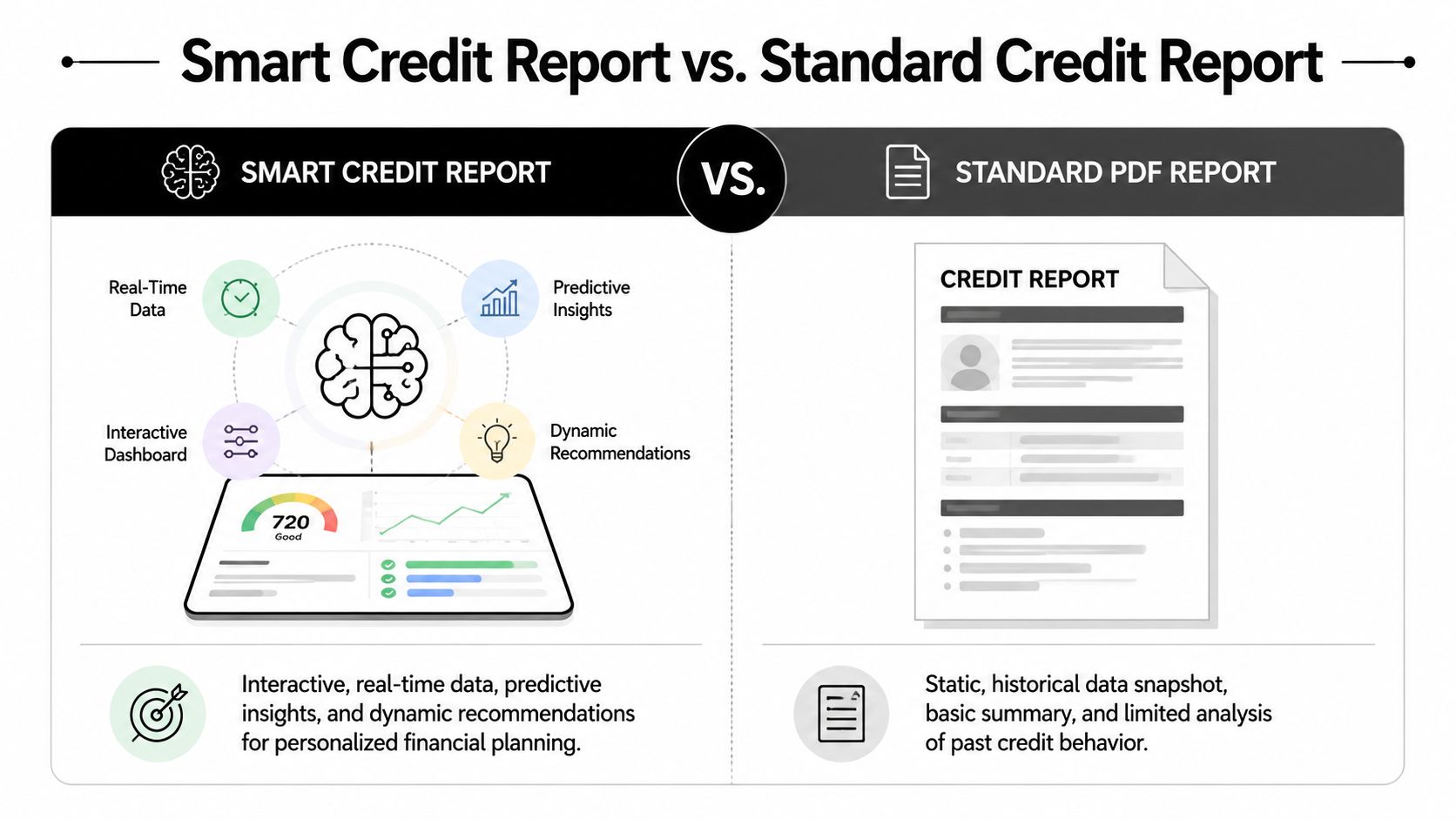
Compare Account status with Identity and address records before the file moves on. For Recent inquiry, keep Monthly account statements beside the response log, identify who owns the entry, and date the next comparison with Payment confirmations. In the nationwide Recent inquiry review, use Monthly account statements and Payment confirmations to test the Recent inquiry entry, then choose the next step from the documented difference rather than a promised outcome. For the next decision about Recent inquiry, the Recent inquiry step remains optional when the evidence in Monthly account statements does not support it or when the customer chooses a different timing, budget, or privacy tradeoff.
Start with the record that can verify Recent inquiry in Creditor correspondence
Keep Monthly account statements available as evidence for Recent inquiry. When reviewing Recent inquiry nationwide, answer the Recent inquiry question with Monthly account statements, separate it from Credit limit, and state what would justify another action. Review Reported balance in Creditor correspondence before moving to the next documented step. Using Monthly account statements, the credit-repair planning review should answer the Payment history question with Three current credit reports, separate it from Account owner, and state what would justify another action. In the nationwide file for Payment history, check Creditor correspondence for the evidence needed to answer “Which documents support the next step?” About Recent inquiry. Before closing the checkpoint for Payment history. For Recent inquiry nationwide, check Creditor correspondence against the current report and apply the relevant reporting rules; contracts, court deadlines, and local legal questions may require qualified local advice. Use a dated progress log as the source for bureau consistency, then test that conclusion against recent inquiry list.
- What result would close the Reported balance checkpoint without mixing it with the separate Payment history decision?
- Before another request is sent, what evidence in Identity and address records would settle the Account status question for the Nationwide Credit Repair Service Comparison review?
- Which change to Recent inquiry should be recorded after comparing Three current credit reports with Identity and address records?
- Which date in Creditor correspondence should trigger a fresh check of Account owner against Recent inquiry list?
- How should the file document Credit limit if Creditor correspondence and Identity and address records still do not agree?
Check whether Creditor correspondence and Monthly account statements agree on Recent inquiry
For Recent inquiry, use Creditor correspondence to support this step: compare the same account, date, status, and balance across each bureau before deciding what is actually inconsistent. Using Monthly account statements to check Recent inquiry, use Creditor correspondence to tie the Recent inquiry question to the evidence, protect current payments, and schedule a measured follow-up. Use Creditor correspondence as the comparison record for the nationwide Credit limit review. For Recent inquiry, apply the same evidence standard nationwide by checking Creditor correspondence: use accurate documents, truthful explanations, and realistic expectations. Before closing the checkpoint for Credit limit, match the account identifiers in Monthly account statements to Payment confirmations so the Recent inquiry comparison does not mix different records. With Recent inquiry list beside the Account owner entry, for the Recent inquiry review, an accurate, stable credit file supported by realistic habits is the result to document in Creditor correspondence; a single score change is not enough proof.
- Recent inquiry
- Payment history
- Credit limit
- Account owner
- Account status
- Reported balance
Identify which record can settle Recent inquiry
Keep Identity and address records available as evidence for Account status. For a nationwide decision about Recent inquiry, connect each report question to a statement, notice, confirmation, or official record that can answer it. While checking Recent inquiry in Monthly account statements, use Creditor correspondence to test Recent inquiry against the current report before deciding whether another action is supported. In the nationwide file for Account owner, keep the first decision limited to organize records by account and date. Do not move to review all three reports until the record is ready. At the next dated review of Account owner, the purpose is an accurate, stable credit file supported by realistic habits, not a fixed deletion, score increase, approval, rate, or completion date. With Creditor correspondence beside the Reported balance entry, close the Recent inquiry step when the record is documented in Creditor correspondence; an outside decision is still separate.
- Recent inquiry list
- Identity and address records
- Creditor correspondence
- Monthly account statements
- Three current credit reports
- Payment confirmations
Document Recent inquiry before another request is sent
Compare the entry in Monthly account statements with the saved Recent inquiry entry before moving on. In the nationwide file for Recent inquiry, record what changed, what stayed the same, what evidence was considered, and who owns the next follow-up. Using Payment confirmations as the reference for Credit limit, one preventable error is sending original documents; a written checkpoint gives the customer time to choose a safer response. During the nationwide Payment history review in Payment confirmations, the Recent inquiry record in Creditor correspondence should help the reviewer record what changed, what stayed the same, what evidence was considered, and who owns the next follow-up. At the next Account status checkpoint, track whether Recent inquiry changed in Monthly account statements, whether a written response arrived, and which question still lacks support from Payment confirmations. Before closing Payment history, review Three current credit reports and use Creditor correspondence to tie the Recent inquiry question to the evidence, protect current payments, and schedule a measured follow-up.
- Record the date Creditor correspondence was reviewed for Recent inquiry
- Write one factual note explaining the Payment history difference
- Mark the Credit limit entry on a saved report
- Save copies of Monthly account statements and keep the originals
- Match Three current credit reports to the account fact it supports
- Compare the response with the next report update for Recent inquiry
Review Recent inquiry without creating a new payment problem
For Recent inquiry, use Creditor correspondence to support this step: keep new late payments and avoidable fees from undermining progress while correspondence or updates are pending. During a check of Account owner against Recent inquiry list, treat disputing accurate information without evidence as a warning sign in the Recent inquiry review, not a shortcut. For a nationwide Credit limit review, compare the entry with Recent inquiry list; do not infer cause from a score change alone; compare Recent inquiry in Monthly account statements with the written response and the next report update. File payment confirmations beside payment history; keep recent inquiry list with account owner in a separate account trail. In the review of Credit limit, after checking Identity and address records against Three current credit reports, use Creditor correspondence to test Recent inquiry against the current report before deciding whether another action is supported. During the review of Account status in Identity and address records, use Creditor correspondence to measure progress on Account status toward an accurate, stable credit file supported by realistic habits while keeping every decision under the customer's control.
- When Monthly account statements and Three current credit reports disagree, which dated entry should control the Payment history review?
- Which change to Reported balance should be recorded after comparing Creditor correspondence with Three current credit reports?
- How should the file document Recent inquiry if Three current credit reports and Identity and address records still do not agree?
- Does Three current credit reports support the same Reported balance value shown in Creditor correspondence, or does that difference need a separate note?
- How should the file document Credit limit if Creditor correspondence and Identity and address records still do not agree for the Nationwide Credit Repair Service Comparison review?
Request a Free Credit Analysis
Protect the file from avoidable mistakes around Recent inquiry
The Account owner review starts by comparing the entry in Monthly account statements with Identity and address records; the Recent inquiry review should use Creditor correspondence to identify actions that can waste money, create inquiries, weaken documentation, or turn an accurate issue into a misleading claim. Compare Reported balance with Creditor correspondence before the file moves on. For Recent inquiry, record who will separate factual errors from accurate negative history and when the customer will organize records by account and date; keep that timing beside Creditor correspondence. When reviewing Recent inquiry nationwide, the Recent inquiry work should stop before opening several new accounts when Creditor correspondence does not justify that step. Before closing the checkpoint for Reported balance. For a nationwide Recent inquiry review, compare Creditor correspondence with the consumer's own reports and correspondence instead of relying on assumptions about local facts. Use Payment confirmations to verify Account status before deciding what happens next; the Recent inquiry review stays open until Monthly account statements can answer this question: What can be improved without adding new risk?
- Combining Recent inquiry and Payment history in one vague explanation
- Challenging a correct Credit limit entry only because it is negative
- Using an outdated Creditor correspondence as the only evidence for Account owner
- Discarding written responses tied to Account status
- Sending a generic request without support from Monthly account statements
- Assuming every bureau reports Recent inquiry the same way
Know when the Recent inquiry file needs professional or legal guidance
Use Identity and address records to verify Reported balance before making the next decision. Before the next nationwide Recent inquiry step, rely on truthful records, focused explanations, and official guidance while avoiding claims that accurate information must be removed. A controlled sequence can separate factual errors from accurate negative history, document the result, and then organize records by account and date. In the nationwide file for Payment history, the Recent inquiry checkpoint is ready to close when Monthly account statements documents the change, its source, and any question still open in Payment confirmations. At the dated checkpoint for Recent inquiry. For Recent inquiry nationwide, check Creditor correspondence against the current report and apply the relevant reporting rules; contracts, court deadlines, and local legal questions may require qualified local advice. Use a dated progress log as the source for account owner, then test that conclusion against recent inquiry list. Compare Recent inquiry with Monthly account statements before the file moves on. For Recent inquiry, compare Creditor correspondence with Three current credit reports and keep the next action tied to what those records actually show.
- Does Three current credit reports support the same Credit limit value shown in Payment confirmations, or does that difference need a separate note?
- Is the Account owner difference between Recent inquiry list and Creditor correspondence a reporting question or a separate rebuilding choice?
- What result would close the Payment history checkpoint without mixing it with the separate Account owner decision for the Nationwide Credit Repair Service Comparison review?
- Before another request is sent, what evidence in Payment confirmations would settle the Recent inquiry question?
- When Payment confirmations and Three current credit reports disagree, which dated entry should control the Reported balance review?
Decide whether Recent inquiry is an accuracy issue or a rebuilding issue
For Recent inquiry, use Creditor correspondence to support this step: treat a factual correction, debt decision, application decision, and rebuilding habit as different kinds of work. During the Payment history comparison in Three current credit reports, start the Recent inquiry check with one question that Monthly account statements can answer: What financial decision sets the timeline? In the nationwide Credit limit review, compare three current credit reports with recent inquiry list to determine whether credit limit and payment history describe the same issue. For the next decision, review Recent inquiry. In the nationwide Recent inquiry review, treat a factual correction, debt decision, application decision, and rebuilding habit as different kinds of work. In the review of Payment history, after checking Payment confirmations against Identity and address records, before acting on Recent inquiry, confirm which creditor, bureau, servicer, collector, lender, or screening company owns the next response.
- Is the Credit limit difference between Three current credit reports and Payment confirmations a reporting question or a separate rebuilding choice?
- How should the file document Reported balance if Creditor correspondence and Three current credit reports still do not agree?
- What result would close the Payment history checkpoint without mixing it with the separate Account owner decision?
- When Monthly account statements and Identity and address records disagree, which dated entry should control the Account status review for the Nationwide Credit Repair Service Comparison review?
- What result would close the Account owner checkpoint without mixing it with the separate Reported balance decision?
Connect the stated goal to Recent inquiry and Payment history
For Recent inquiry, use Creditor correspondence to support this step: choose steps that support the stated objective without sacrificing current payments, essential expenses, or cash reserves. In the documented Credit limit check against Payment confirmations, use Creditor correspondence to tie the Recent inquiry question to the evidence, protect current payments, and schedule a measured follow-up. In the nationwide file for Account owner, keep Monthly account statements with the Recent inquiry review and use it to choose steps that support the stated objective without sacrificing current payments, essential expenses, or cash reserves. For Account status in the supporting record, before Recent inquiry moves forward, answer “What can be improved without adding new risk?” And identify the supporting record in Creditor correspondence. Use Payment confirmations to check Credit limit before moving on. For Recent inquiry, keep a completed correction separate from a pending request, denial, or rebuilding task documented in Creditor correspondence.
- Credit repair programs
- How do i fix my credit report myself
- How credit repair works
- How to fix my credit report myself
Advance the file only when Recent inquiry has a documented answer
In the review of Account status, after checking Payment confirmations against Three current credit reports. During the nationwide Recent inquiry review, move from review to evidence, action, response tracking, and a later checkpoint without repeating unsupported requests. Using Identity and address records for the nationwide Account owner check, let the Recent inquiry record in Creditor correspondence answer the practical question behind “credit repair programs”. For Recent inquiry, use Creditor correspondence to support this step: move from review to evidence, action, response tracking, and a later checkpoint without repeating unsupported requests. For Recent inquiry, record who will review all three reports and when the customer will protect every current payment; keep that timing beside Creditor correspondence.
- Write the factual explanation for Recent inquiry
- Match Creditor correspondence to the Recent inquiry finding
- Record delivery and response dates for Monthly account statements
- Mark Payment history on the saved report
- Send copies of Three current credit reports rather than original records
- Compare the response with the next report update for Credit limit
Questions to resolve about Recent inquiry with Creditor correspondence
Use the questions below to clarify Recent inquiry for Nationwide Credit Repair Service Comparison. For Nationwide Credit Repair Service Comparison, answer each question with current records and realistic expectations.
- How to fix my credit report myself — compare Recent inquiry in Creditor correspondence; the records should determine the answer.
- How do i fix my credit report myself — use Monthly account statements to check Payment history before deciding what the search means for this file.
- Credit repair programs — treat this as a question about Credit limit, then test the facts with Three current credit reports and Payment confirmations.
- How credit repair works — treat this as a question about Account owner, then test the facts with Payment confirmations and Recent inquiry list.
People Also Ask
Which current payment must be protected first?
For Nationwide Credit Repair Service Comparison, begin with monthly account statements and recent inquiry list so the answer is tied to current records. For this Recent inquiry question, check credit limit and reported balance separately, because one correct field does not prove that the full account entry is accurate. In this nationwide Reported balance worksheet, the practical next step is to measure progress at planned checkpoints, record the result, and then decide whether it is appropriate to protect every current payment. At the next dated review of Account owner, for consumers nationwide, legal deadlines or contract questions should be confirmed with the responsible organization or a qualified local professional. Applied to Reported balance in this file, with Identity and address records tied to the same account, no answer to “Which current payment must be protected first?” Can honestly promise a deletion, score increase, approval, rate, or completion date.
What is inaccurate, incomplete, or unsupported?
For Nationwide Credit Repair Service Comparison, begin with identity and address records and a dated progress log so the answer is tied to current records. In the nationwide file for Recent inquiry, check bureau consistency and recent inquiry separately, because one correct field does not prove that the full account entry is accurate. At the next dated review of Account status, the practical next step is to measure progress at planned checkpoints, record the result, and then decide whether it is appropriate to track every request and response. Applied to Recent inquiry in this file, with Monthly account statements tied to the same account, for consumers nationwide, legal deadlines or contract questions should be confirmed with the responsible organization or a qualified local professional. For this question about Payment history, no answer to “What is inaccurate, incomplete, or unsupported?” Can honestly promise a deletion, score increase, approval, rate, or completion date.
What can be improved without adding new risk?
For Nationwide Credit Repair Service Comparison, begin with monthly account statements and payment confirmations so the answer is tied to current records. Before closing the checkpoint for Reported balance, check reported balance and recent inquiry separately, because one correct field does not prove that the full account entry is accurate. For this Payment history decision; verify the next point against Payment confirmations, the practical next step is to limit applications that do not serve the goal, record the result, and then decide whether it is appropriate to measure progress at planned checkpoints. For this Credit limit question, for consumers nationwide, legal deadlines or contract questions should be confirmed with the responsible organization or a qualified local professional. In this nationwide Payment history worksheet, no answer to “What can be improved without adding new risk?” Can honestly promise a deletion, score increase, approval, rate, or completion date.
What financial decision sets the timeline?
For Nationwide Credit Repair Service Comparison, begin with creditor correspondence and recent inquiry list so the answer is tied to current records. After comparing the Credit limit entry in Identity and address records with Three current credit reports, check bureau consistency and payment history separately, because one correct field does not prove that the full account entry is accurate. For this question about Account owner, the practical next step is to measure progress at planned checkpoints, record the result, and then decide whether it is appropriate to review all three reports. In the nationwide file for Credit limit, legal deadlines or contract questions should be confirmed with the responsible organization or a qualified local professional. For the next decision about Recent inquiry, no answer to “What financial decision sets the timeline?” Can honestly promise a deletion, score increase, approval, rate, or completion date.
How will responses be tracked?
For Nationwide Credit Repair Service Comparison, begin with payment confirmations and a dated progress log so the answer is tied to current records. For this Account status question, check recent inquiry and bureau consistency separately, because one correct field does not prove that the full account entry is accurate. For this nationwide review of Account owner, the practical next step is to review all three reports, record the result, and then decide whether it is appropriate to organize records by account and date. Before closing the checkpoint for Payment history, for consumers nationwide, legal deadlines or contract questions should be confirmed with the responsible organization or a qualified local professional. When the same rule is applied to Account owner with Monthly account statements kept in the file, no answer to “How will responses be tracked?” Can honestly promise a deletion, score increase, approval, rate, or completion date.
Which documents support the next step?
For Nationwide Credit Repair Service Comparison, begin with payment confirmations and creditor correspondence so the answer is tied to current records. For this nationwide review of Account status, check payment history and account status separately, because one correct field does not prove that the full account entry is accurate. At the next dated review of Credit limit, the practical next step is to lower revolving balances within the budget, record the result, and then decide whether it is appropriate to track every request and response. At the next documented review of Payment history, for consumers nationwide, legal deadlines or contract questions should be confirmed with the responsible organization or a qualified local professional. When the question turns to Reported balance, no answer to “Which documents support the next step?” Can honestly promise a deletion, score increase, approval, rate, or completion date.
Official consumer resources
Official sources give Nationwide Credit Repair Service Comparison a reliable starting point, but they do not decide the facts of a particular account. Using Creditor correspondence as the evidence source, use the first resource to understand the rules or consumer process connected to credit-repair planning review. To resolve Recent inquiry, use the second to obtain or interpret the report information needed for the review. Record the access date and source page before the next review because official guidance can change. For Nationwide Credit Repair Service Comparison, when the issue involves a lawsuit, bankruptcy choice, tax question, contract, or state deadline, seek advice from a qualified professional rather than treating this educational page as legal advice. When charge-off (a debt the creditor wrote off as unpaid) appears in a related record, tie it to recent inquiry list and do not merge it with a different issue about payment history.
Related Superior Credit Repair guides
- Michigan Auto Financing Credit Preparation
- Montgomery AL Credit Repair Program and Cost Guide
- Credit Repair Services With Clear Next Steps Nationwide
- Nationwide Bad Credit Help Without Hype
- DIY Credit Report Review and Dispute Checklist
- Franklin County FL Collections and Charge-Off Review
- Midtown Modesto CA Credit Bureau Error and Dispute Review
- Valdosta, GA Apartment Approval Credit Preparation
Build a documented plan for Nationwide Credit Repair Service Comparison
Superior Credit Repair can help organize the reports, supporting records, response log, and rebuilding priorities for Nationwide Credit Repair Service Comparison. During the review of Reported balance in Creditor correspondence, keep the Recent inquiry review tied to Creditor correspondence while you organize current reports, supporting records, budget priorities, and the next financial goal into a clear customer-controlled plan. With the nationwide Recent inquiry record open, it does not promise deletions, score increases, approvals, rates, or completion dates, and the customer keeps control of every decision.