Fort Myers and Cape Coral Post-Bankruptcy Credit Rebuilding
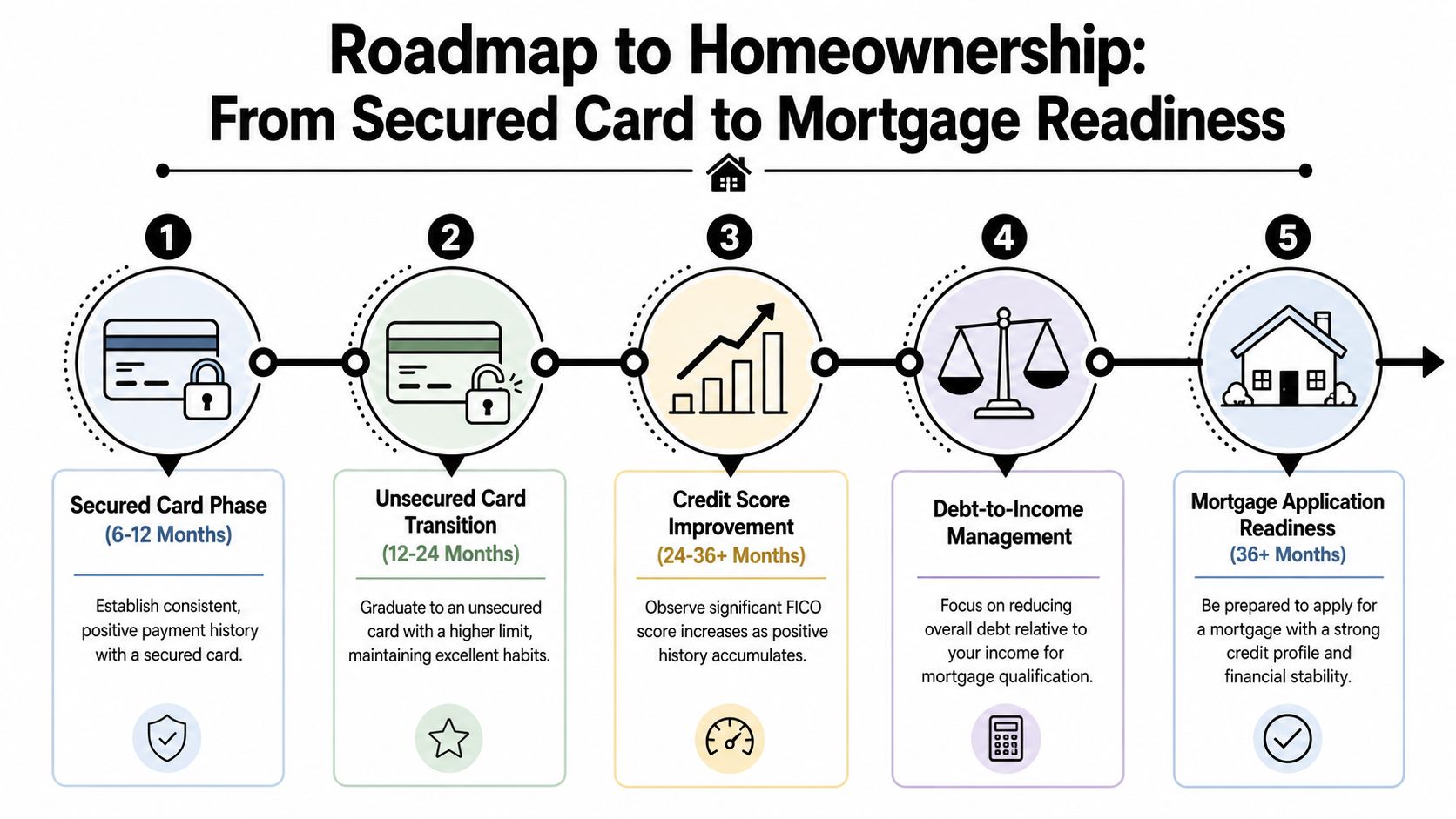
Start rebuilding after bankruptcy by reconciling the report with the court and account records
Post-bankruptcy credit work should begin with accuracy. Collect the discharge or other relevant court documents, the creditor statements you still have, and current credit reports. Compare each account with the bankruptcy records so you can see which debts were addressed, which accounts remained active, and whether balances and statuses appear consistent with the documents. Do not assume every negative entry should disappear simply because a bankruptcy case ended.
Keep correspondence (letters, emails, or other written messages about an account) with the account it concerns. A creditor response, servicer message, or collection notice can explain why a balance or status appears a certain way. If the report seems inconsistent, the strongest follow-up points to the court record or account document that supports the question.
A post-bankruptcy credit analysis should organize the court records and account reporting before recommending new credit.
Separate discharged debt questions from active-account rebuilding
One folder should address whether older accounts are being reported accurately after the bankruptcy. A different folder should track the accounts you are currently using to rebuild. Mixing them can cause confusion, especially when a current payment issue is buried inside documents about debts handled in the case.
For older accounts, focus on ownership, balance, status, and the relationship to the bankruptcy documents. For current accounts, focus on due dates, balances, limits, and whether the account is helping you establish stable recent history. These are different jobs even though they appear on the same credit report.
Do not rush into multiple new accounts
Rebuilding does not require opening every account you can qualify for. Each new account can create another payment obligation and another place where a missed payment could occur. Start with a manageable number of accounts and make sure the payment system works before adding more. The quality of current management matters more than the appearance of rapid activity.
If a secured card, small installment account, or other product is being considered, read the fees and terms and decide whether it serves a real financial purpose. Avoid expensive products marketed primarily on the promise of a fast score increase.
Use revolving balances as a management metric, not a daily obsession
Revolving credit (credit you can reuse, like a credit card) can be tracked through utilization (the share of a credit limit currently in use), which shows how heavily those accounts are being used. Record balances and limits from the statements and make payments that fit the budget. A card does not need to carry interest-bearing debt in order to show responsible use; the goal is to keep the account manageable and paid according to its terms.
If a card balance rises because of an emergency or temporary expense, adjust the repayment plan rather than opening several new accounts to dilute the percentage. Sustainable debt reduction is more important than engineering a short-lived snapshot.
Verify that old collections and balances make sense after the case
A collection or creditor entry that appears after bankruptcy deserves a document comparison, not an automatic conclusion. Match the account to the schedules or other relevant records you have, review the current balance, and determine who is reporting it. If a collector contacts you about an account you believe was addressed in the case, preserve the notice and seek appropriate legal guidance when the question goes beyond credit reporting.
Credit repair is not a substitute for bankruptcy legal advice. The credit-report task is narrower: identify what is being reported, compare it with reliable records, and document any inconsistency for an accuracy review.
Build a recent payment record that can be explained
Use a calendar for current accounts and keep enough money in the payment account to cover scheduled withdrawals. Review statements even when autopay is active. A changed minimum, expired payment method, or account transfer can create a missed payment if no one checks the statement.
When a lender later asks how the profile changed after bankruptcy, current payment records provide a straightforward answer. You do not need a dramatic recovery story. You need a record showing that new obligations are understood and being managed consistently.
Prepare for home financing without relying on universal waiting-period claims
Mortgage eligibility after bankruptcy depends on the loan program, case history, borrower circumstances, and current lender requirements. This page should not promise a specific approval date. Instead, keep the discharge documents, current credit reports, housing-payment history, income records, and account statements organized so a lender can tell you what is needed for the particular application.
If the lender identifies a credit condition, add it to the file exactly as stated. Do not open or close accounts, pay old debts, or withdraw disputes merely because a general article suggests it. Coordinate the timing with the loan team handling the actual file.
Fort Myers and Cape Coral families need a household plan as well as individual credit files
For joint applicants, keep separate credit-report folders and one shared budget. A bankruptcy on one applicant’s history does not make the other applicant’s accounts part of the same credit file. Each person should know which debts are individual, which obligations are joint, and which current accounts need to remain stable during the financing process.
The shared budget matters because rebuilding decisions affect household cash. A payment strategy that leaves too little for housing, insurance, food, or transportation is not sustainable, even if it improves a credit metric for a short period.
A finished post-bankruptcy review should show what changed and what is still open
Create a one-page summary with older accounts that appear accurate, older accounts that need a documented follow-up, current accounts being used for rebuilding, and any lender questions still pending. Attach the source documents behind each category. That summary makes it easier to update the file without re-reading the entire bankruptcy packet every time.
Rebuilding is a sequence of accurate reporting, stable current payments, manageable balances, and careful new credit. None of those steps requires a promise about a score or approval. The value comes from making the financial file easier to understand and maintain.
Reconcile reaffirmed, secured, and continuing accounts carefully
Some accounts may continue after a bankruptcy case or have treatment that requires more context than a simple “included” label. Use the court documents, creditor records, and current statements you have to understand how the account should appear. When the legal treatment is unclear, seek bankruptcy counsel rather than trying to solve the question through a credit dispute alone.
For the credit report, focus on observable facts: balance, status, payment history, ownership, and whether the account information matches reliable records. Keep legal interpretation separate from reporting accuracy.
Build an emergency reserve before adding optional credit
A rebuilding plan is stronger when the household can absorb a small unexpected expense without immediately using every available credit line. Set a realistic cash-reserve goal before adding optional accounts. Even a modest buffer can help protect current payment history when a car repair, medical bill, or seasonal expense arrives.
This step may not create an immediate score change, but it reduces the risk of new delinquency (a payment that is late). Credit rebuilding is partly a financial-stability project, not just a reporting project.
Review fees and terms on rebuilding products
Products marketed to people after bankruptcy can carry fees, deposits, or other costs. Read the agreement and compare the total cost with the benefit you expect. A product is not automatically helpful simply because it is advertised as a credit builder. Choose accounts you can afford and understand.
If the account requires a deposit, keep the receipt and know how the deposit is returned or applied. If there is an annual fee, include it in the household budget so the account does not become a surprise expense.
Use current housing payment records as part of the readiness file
For future mortgage planning, keep rent or housing-payment records in a separate readiness folder when the lender may ask for them. Do not assume alternative payment history will substitute for every credit issue, but organized records can make the overall financial history easier to document when requested.
The same folder can hold insurance, tax, or other housing-related records relevant to the application. Keep these separate from credit disputes so the lender can review them without sorting through unrelated bureau correspondence.
Track each new account from opening through the first year of use
For rebuilding accounts, record the opening date, limit or original balance, due date, automatic-payment setup, and statement history. Review the first several statements closely because setup errors or misunderstood terms are easier to correct early. A new account should simplify the rebuilding plan, not create another source of confusion.
If the account is no longer useful, evaluate the costs and consequences before closing it. Avoid making account changes solely in response to a temporary score movement.
Prepare a concise post-bankruptcy explanation only if requested
A lender may ask for a letter explaining the circumstances surrounding a bankruptcy. If so, answer the request directly: describe the event, the time period, what changed afterward, and the documents that support the current situation. Avoid unnecessary detail and do not make claims you cannot document.
The explanation should complement the financial records, not replace them. Current statements, payment history, employment or income documents, and the bankruptcy papers provide the evidence behind the narrative.
Review residual balances against the bankruptcy and creditor records
If an account shows a remaining balance after the case, do not assume the report is correct or incorrect from the balance alone. Compare the account with the schedules, discharge documents, post-case statements, and any creditor or servicer explanation. The credit-report question is whether the status and balance are consistent with reliable records, while any legal question about the debt belongs with qualified counsel.
Document the comparison in a short note so the same account is not reinterpreted differently every time the report is reviewed. If a source document is missing, identify that gap instead of guessing.
Use rebuilding accounts for a clear purpose
Every new account should have a reason: establish current revolving history, finance a necessary purchase, or meet another genuine need. Avoid opening accounts simply to create activity. More accounts also mean more statements, due dates, and opportunities for fees or missed payments. A smaller number of well-managed accounts can make the file easier to control.
Before adding credit, write down the annual cost, required deposit if any, expected monthly use, and payment method. If those details are not comfortable within the budget, postpone the account rather than forcing it into the rebuilding plan.
Keep legal records and credit records connected but distinct
Store bankruptcy court documents in one section and credit-report account files in another, using references to connect them when necessary. This prevents a large court packet from overwhelming the credit review while still making the legal source easy to locate. A short index can list which account file relies on which court document.
This organization also helps when a lender asks for the discharge or case documents but does not need every credit dispute letter. You can provide the requested records without exposing unrelated file material.
Set a rebuilding review date instead of adding accounts whenever progress feels slow
Post-bankruptcy rebuilding can feel uneventful once the report is accurate and the current accounts are stable. That is not a reason to add more credit. Set a review date every few months and use it to examine payment history, revolving balances, account fees, savings progress, and any new lender goal. If the existing accounts are doing their job and remain affordable, continued stable management may be the best next step. New credit should solve a real need or fill a clear gap, not simply create activity because a score has not changed recently.
At each review, update the court-and-credit index, archive resolved reporting questions, and verify that automatic payments still work. If a future mortgage plan is developing, add the lender’s requested documents and conditions only when they are known. This measured approach keeps rebuilding tied to financial stability and accurate records rather than to a series of reactive applications that can increase cost and complexity. Keep the review notes dated so future lender questions can be answered from the current file rather than from older assumptions or incomplete memory.
Review rebuilding at planned milestones, not every alert
Keep the rebuilding review tied to real milestones such as a stable emergency reserve, lower revolving balances, a completed dispute, or a lender consultation. These milestones are easier to verify than a target score and help show whether the household is becoming financially easier to manage. If no new problem has appeared, continuing the same stable routine can be a valid decision rather than a sign that more products or disputes are needed.
Related guides for the next step
Questions people ask before the next credit decision
Should every account included in bankruptcy disappear from the report?
No. The question is whether the account is being reported accurately in light of the bankruptcy and the account history. Compare the report with reliable case and creditor documents before deciding an entry is wrong.
How soon should I open new credit?
There is no need to rush. First make sure existing obligations are current and the household budget can support a new payment. If you add an account, choose one with terms you understand and a clear purpose in the rebuilding plan.
What if a collection appears after discharge?
Preserve the notice, compare the account with your bankruptcy records, and determine who is reporting it. If the issue involves legal rights or whether a debt can be collected, consult appropriate legal counsel; credit repair should not replace bankruptcy advice.
Can I qualify for a mortgage after bankruptcy?
Many borrowers pursue mortgages after bankruptcy, but eligibility depends on the specific loan program, lender, case history, and current financial profile. Organize the documents and ask the lender for the requirements that apply to your application rather than relying on a universal timeline.
What is the most important rebuilding habit?
Protect current payment history. A manageable account paid consistently is more useful than opening several new accounts that strain the budget. Track balances and statements and add credit only when the payment system is stable.
Use bankruptcy documents as references, not as a substitute for account statements
The bankruptcy file can establish what was scheduled or discharged, but current credit reporting may still require account-level documents. Keep the court record and the creditor statement together when both are relevant. If the question is a current balance, look for the creditor or servicer record that explains the balance rather than expecting the court document to contain every later account update.
This distinction matters for accounts that remained active, secured debts, or obligations with post-case activity. When the legal status is unclear, seek appropriate legal advice. Keep the credit repair task limited to accurate reporting and organized documentation.
A useful post-bankruptcy review should leave Lee County consumers with a reconciled report, organized discharge records, and a rebuilding plan they can maintain.