Clearwater FL Collections and Charge-Off Help | Superior Credit Repair
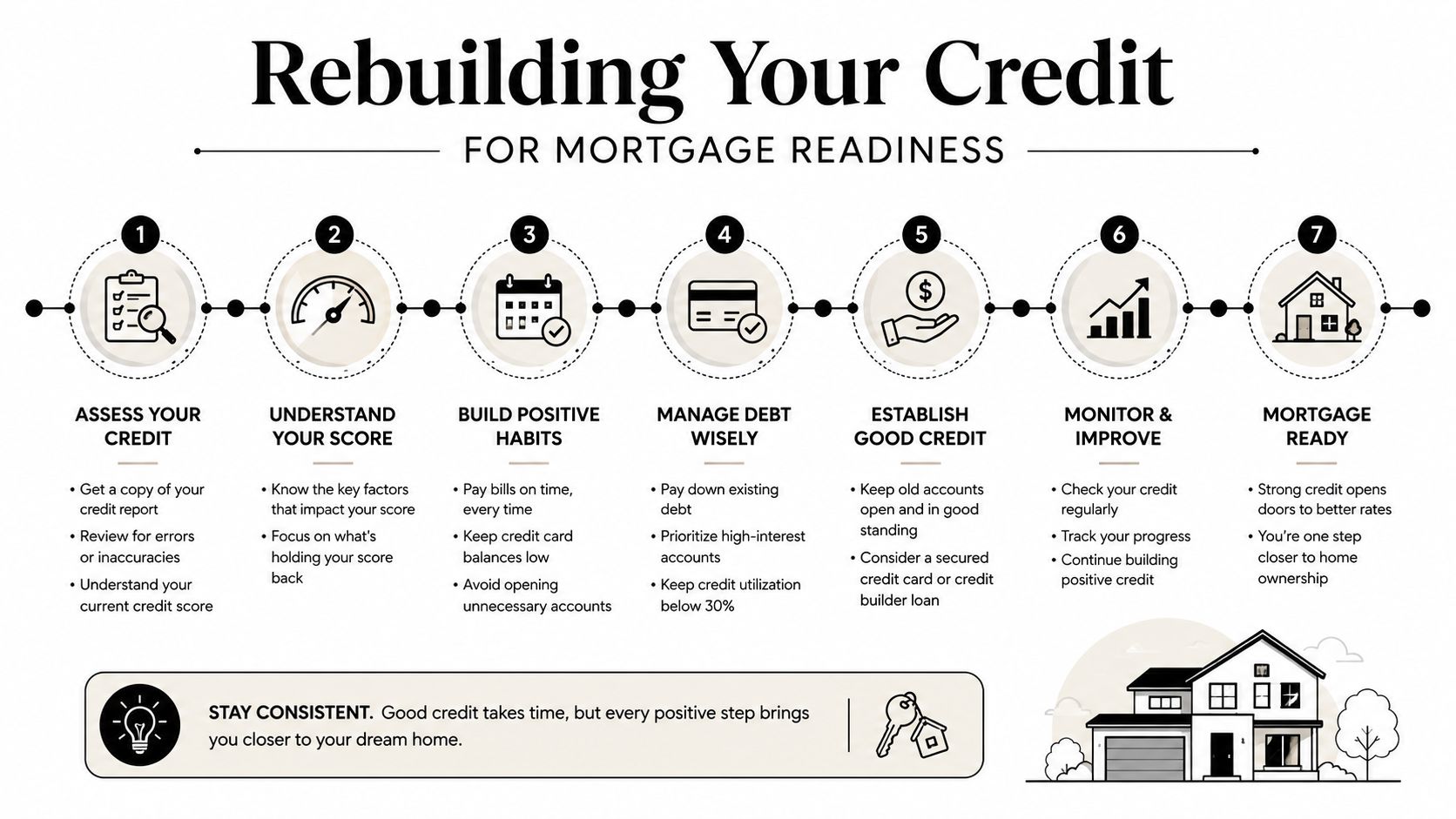
Map the original account and collection account before taking action
Put the original creditor entry and any collection entry side by side. For each tradeline (an account listed on a credit report), write down the reporting company, balance, account reference, and status. Then compare those details with the notices or statements you already have. Two entries can come from the same debt without being duplicates, so the useful question is where the records actually disagree, if they disagree at all.
Keep correspondence (letters, emails, or other written messages about an account) in chronological order. A collection notice, settlement offer, original statement, and payment confirmation may each answer a different question. When the file is arranged by date, it is easier to see whether a balance changed after a payment or whether a new collector appeared after an assignment or sale.
- Original creditor statement or final account record.
- Collection notice showing the company and account reference.
- Payment, settlement, or cancellation records if any exist.
- Current credit-report pages from each bureau you are reviewing.
A collection review that includes a charge-off (a debt the creditor wrote off as unpaid) should identify the exact reporting question before any dispute or payment decision is made.
Understand why a charge-off and a collection are not the same record
A charge-off describes an accounting status on the original creditor side, while a collection entry may come from a company that is collecting or owns the debt. The two entries can be related without being interchangeable. Review the balance and status on each separately. If the original creditor shows a balance and a collector also reports a balance, determine what the documents say about ownership and whether the reporting makes sense together.
Do not assume that paying a collector automatically erases the original creditor history. Instead, ask what the post-payment record should accurately show. Keep written settlement terms and proof of payment. Those documents are useful if a balance or account status later appears inconsistent with what was agreed or paid.
Verify the amount using documents that explain adjustments
Collection balances can be affected by payments, credits, refunds, insurance adjustments, deposits, or other account-specific events. A useful evidence file shows the amount before the adjustment, the record of the adjustment, and the amount now being reported. If you only have the final credit-report balance, request or locate the underlying account history before assuming the number is wrong.
For medical, rental, utility, or telecom collections, the strongest documents may be very different. Medical files may include insurer explanations; rental files may include a ledger or deposit accounting; utilities may have final statements. Match the evidence to the account rather than relying on a generic dispute checklist.
Keep rebuilding work separate from collection accuracy work
Revolving credit (credit you can reuse, like a credit card) affects utilization (the share of a credit limit currently in use), which belongs in the rebuilding part of the file rather than the collection dispute itself. Track active card balances and limits while you work on older negative items, because current revolving debt and payment history continue to change. A large payment to an old collection should not force a current card, auto loan, or other obligation into delinquency (a payment that is late).
This separation also improves decision-making. One page of the file can answer whether the collection is accurately reported. Another can show your current balance-reduction plan. A lender can then see which issue is historical and which is actively being managed.
Use a dispute only for a fact you can identify
If the collector name does not match your records, the balance conflicts with a statement, or the account appears tied to another person, write the dispute around that fact. Include the report page and the document that supports your position. Avoid long letters that list every possible legal argument without connecting those arguments to the actual account.
After the response, compare the updated reporting with the exact question you raised. If the balance changed but the ownership issue remains, the file is not finished. If the collector provides information that resolves the question, record that outcome and decide whether the next task is payment planning or rebuilding rather than another dispute.
Settlement decisions need written terms and a post-payment check
If you choose to settle or pay, keep the offer before sending money. Confirm the company receiving the payment, the amount, the due date, and what the written terms say about the remaining balance. After payment, keep the confirmation and obtain any final account letter that is available. Those records are more useful than relying on what a representative said during a call.
Then review the credit report after the account has had an opportunity to update. The question is not whether the negative history vanished; the question is whether the balance and status accurately reflect what happened. If they do not, the payment records give you a focused basis for follow-up.
Prepare for a mortgage without making the collection file harder to explain
A homebuyer may be tempted to pay every collection immediately, but the lender should be part of the timing decision. Different loan scenarios can treat debts and documentation differently, and this page should not guess at a universal underwriting (the lender's review of whether to approve a loan) rule. Ask what the lender needs to see, then align the collection work with that request.
Avoid opening new credit, moving balances, or closing accounts solely to create a cleaner snapshot while underwriting is in progress. Any change that creates a new monthly obligation or changes available credit can raise a separate question. Keep the credit file consistent with the application information already provided.
A Clearwater service review should end with an account-by-account action list
For each collection or charge-off, label the next step as verify, dispute, pay or settle if appropriate, wait for a response, or monitor accurate reporting. That list prevents one difficult account from consuming the entire credit plan. It also gives you a record of which documents are still missing.
When the file is complete, you should be able to explain the account in a few sentences: who reported it, what the current balance is, what evidence supports or contradicts the reporting, and what action is pending. If you cannot answer those questions, gather documents before sending another letter.
Trace balance changes after a charge-off
For a charged-off account, build a balance timeline from the last active statements, the charge-off record if available, any collection notices, and later payments. This timeline helps distinguish a legitimate change from a reporting mismatch. If a collector reports a balance after a payment, compare the payment with the transaction history rather than assuming the amount should be zero.
Keep the timeline factual. Do not calculate fees, interest, or legal obligations from a generic online formula. If the amount owed is disputed for reasons beyond reporting accuracy, seek the appropriate financial or legal guidance.
Separate sold debt from assigned collection work
A collector may be working an account on behalf of another company, or the account may have been sold. The distinction can matter when you are trying to understand who is reporting and who receives payment. Use the notices and account references to document what you can. If ownership remains unclear, treat that as a specific information request.
Avoid assuming that every company appearing in the chain should report the same balance or status. Compare each entry with the documents connected to that company.
Use medical and insurance records carefully
When a collection is related to medical care, keep provider bills, insurer explanations, payment-plan records, and receipts separate from unrelated accounts. If insurance later pays part of the bill, document the adjustment and compare the revised provider balance with the amount being collected. That gives you a concrete balance question if the numbers do not match.
Do not include unnecessary medical details in a credit dispute. The reporting question usually concerns account identity, amount, status, or ownership rather than the underlying diagnosis or treatment.
Prepare a settlement ledger for multi-payment agreements
If a settlement or payment plan requires more than one payment, create a ledger with due date, amount, confirmation number, and remaining balance according to the agreement. Match each line to a receipt or bank record. A complete ledger is easier to use later than a set of screenshots with no explanation.
When the final payment clears, add the final letter or statement. Then compare the reported balance and status with the completed ledger. If the account is accurate, move it to monitoring instead of reopening the same question.
Protect joint borrowers from mixed account assumptions
If two people in the household are preparing for a mortgage, identify which collections and charge-offs belong to each applicant and which accounts are joint. Do not copy one person’s account explanation into the other person’s credit file. The lender may evaluate the combined application, but the underlying credit records still need to be accurate by individual.
A shared action list can track household deadlines while preserving separate evidence folders. That keeps the process organized without blending account histories.
Use one final verification pass before a major application
Before the application, review the current report and compare it with the action list. Confirm that paid balances updated as expected, disputed items have a known status, current accounts remain on time, and no unexpected new collection has appeared. This final pass is a verification step, not a last-minute invitation to dispute everything negative.
If a new issue appears, document it and ask the lender whether it must be addressed immediately. Avoid making a rushed payment or account change that could create a different underwriting question.
Use a balance reconciliation before sending a collector dispute
Take the last balance you can verify, subtract documented payments or credits, add only adjustments shown in the records, and compare the result with the amount being reported. This is a reconciliation exercise, not an attempt to calculate legal liability from incomplete data. If the figures do not match, identify the exact transaction or period that is missing from the explanation.
A reconciliation can reveal that the dispute is not really about ownership or identity at all. It may be one payment that was not reflected or one adjustment that was misunderstood. Narrowing the question makes the follow-up easier to document and review.
Keep contact notes without turning calls into evidence they cannot support
After speaking with a creditor or collector, write the date, representative name if provided, phone number used, and a short summary of what was discussed. Then request or retain written confirmation for any balance, settlement, ownership, or status detail that matters to the credit file. A call note is useful for chronology, but it should not replace a written agreement or account statement when the exact terms matter.
This practice is especially important when more than one company is involved. A clear contact log shows who said what and which written document later confirmed or contradicted the conversation.
Review accurate negative history without reopening settled questions
If a collection or charge-off has been verified and the reporting matches the available records, move it into an accurate-history section. That does not make the item positive, but it tells you that repeated accuracy disputes are no longer the right use of time. The next work may be payment planning, balance reduction elsewhere, or simply building stronger recent history.
Keeping a closed section prevents the file from cycling through the same account every month. It also helps a future lender see which questions were investigated and which issues remain genuinely open.
Use a final account-status audit after settlement, dispute, or transfer
When the collection work reaches a stopping point, compare the newest report with the full account timeline. Check the company name, balance, status, and any relationship between the original creditor and collector. Then compare those fields with settlement letters, payment confirmations, transfer notices, or dispute responses. This final audit often catches small inconsistencies that were not the original reason the file was opened, such as a balance that updated while the account status did not.
Close only the questions that the records answer. If ownership is clear but a balance is still unsupported, leave the balance issue open and identify the missing statement or transaction history. If every field matches the records, move the account to monitoring and direct future effort toward current payment history and debt management. A completed review should reduce uncertainty, not keep the consumer in permanent dispute mode.
Schedule Clearwater follow-up only when the file changes
For future reviews, keep a copy of the newest report with the final account-status audit rather than relying on a monitoring alert alone. If the collector name, balance, or status changes again, compare the new entry with the archived settlement and payment records before deciding whether another accuracy question exists. This preserves the work already completed and keeps a later review focused on a genuinely new fact instead of reopening an old dispute from memory.
Related guides for the next step
Questions people ask before the next credit decision
Why can an original creditor and a collector both appear?
They can represent different parts of the same account history. Review each tradeline separately and use account records to understand ownership, balances, and status. Do not assume two entries are duplicates without comparing the details.
Will paying a charge-off remove it?
Payment can change the balance or status, but it should not be presented as an automatic deletion method. Keep the payment and settlement records, then verify that the updated reporting accurately reflects what occurred.
What if the balance changed after I made a settlement payment?
Compare the written settlement terms and payment confirmation with the new reported balance. If the reporting does not match those records, document the specific mismatch and follow up with evidence.
Should I dispute an account just because I do not recognize the collector name?
An unfamiliar name is a reason to verify ownership, not proof of an error. Look for collection notices, transfer information, or account references that connect the collector to the original debt. If the connection cannot be established from your records, identify that specific issue.
What should a homebuyer ask the lender before paying collections?
Ask which accounts, balances, or documentation matter to the current loan file and whether the lender wants any action completed before underwriting. That answer helps avoid making a credit move based on a general rule that may not fit the application.
Document who received each payment
A payment record is most useful when it shows the date, amount, recipient, and account reference. If an account moved from an original creditor to a collector, a payment sent to the wrong company can complicate the balance history. Keep the confirmation and any letter explaining how the payment was applied. When the report later updates, compare the reported balance with that documented transaction.
If a payment arrangement spans several months, keep a running ledger rather than saving isolated screenshots. The ledger should match the confirmations and final account letter. That gives you a clean way to show whether the remaining balance is consistent with the agreement.
A useful Clearwater review should leave each collection and charge-off tied to a document, a current status, and one next action.