Alabama Credit Repair Laws Explained
Three legal questions behind a negative account
Alabama credit repair laws raise important practical questions for consumers managing old accounts. A negative entry can raise a question about accuracy, a separate question about a collector’s conduct, and still another about whether a lawsuit may be filed. That difference is why reporting rules and lawsuit deadlines should not be treated as one timetable. They do not share a single clock. The Fair Credit Reporting Act, or FCRA, covers important parts of credit reporting and disputes. The Fair Debt Collection Practices Act, or FDCPA, addresses conduct by covered third-party collectors. Alabama statutes determine how long creditors generally have to start particular civil actions. A person may need one rule, or several, to understand the same account. Credit repair laws should not be confused with rules that permit statutory damages for qualifying legal claims; those remedies require their own analysis.
For example, an unpaid balance might be accurate on a report even when a collector can no longer bring a timely lawsuit. Conversely, a collector might be within Alabama’s filing period while the reported balance is wrong. This distinction is the first step toward choosing the correct remedy. Good credit repair begins by identifying the actual problem: an inaccurate record, misleading communication, contractual concern, or financial obligation. A credit report review is useful for reporting questions; papers from a collector or court are essential for the others.
The umbrella phrase credit repair laws can be misleading because it sounds like a single statute. It is better to determine whether the report itself, a collector’s actions, or a company’s sales contract is the problem. A federal FCRA question is often about an entry’s accuracy, not whether a lawsuit is timely. But the statute of limitations on debt in Alabama can depend on the underlying contract and the claim the creditor asserts. For a specific lawsuit, an Alabama attorney should examine the documents and any asserted exceptions. A credit repair company is not a substitute for legal representation, and a general article cannot decide whether a particular debt is time-barred.
What your reporting rights allow you to challenge
Reporting law does not require a bureau to erase accurate, timely negative information merely because it lowers a credit score. That right is central to credit repair laws in every state. Credit repair begins with an accurate account of what happened, even when the actual event was a missed payment that the bureau has reported correctly. Federal law requires investigation procedures, but the outcome follows the evidence: a verified accurate item does not vanish merely because it was challenged. Under FCRA Section 611, the bureau generally must conduct a reasonable reinvestigation after receiving a sufficiently specific dispute. For an identity-related error, make sure the federal FCRA notice reaches every bureau displaying the incorrect account, and retain proof of which documents were sent.
Collect copies of all three credit reports before choosing which entry to dispute. A difference among the three files is a clue, not automatic proof that a particular company broke federal FCRA rules. Compare the original records before drawing conclusions. The same lender can also report different fields to different bureaus. During a careful credit report review, record the exact status, payment history, balance, and date being challenged. Those details are more persuasive than a broad demand that the bureau remove all late payments or collections. The useful part of credit repair is showing why a particular field should change, not demanding that every negative item disappear.
Furnisher duties also matter when a lender or collection company, supplied the information. A consumer can generally notify a credit reporting company and, where applicable, dispute directly with the furnisher. The FCRA makes those processes different from debt validation under the FDCPA. Those federal reporting procedures and the FDCPA validation process often involve the same underlying account but different recipients and rights. Their separate purposes are why a consumer should retain both the bureau response and the collector’s answer.
A consumer who requests correction under the federal FCRA should identify the specific account, not merely cite a statute. An error report needs clarity, not legal-sounding length. State which account is affected, which field is incorrect, what the correct information should be, and what record supports the correction. Keep the original bank statement or court filing at home and send a copy. A well-supported dispute focuses the investigation on verifiable facts rather than on a theory that every negative item is illegal.
How a dispute investigation works in practice
Under the FCRA, a credit bureau generally has thirty days to investigate a dispute, with limited circumstances allowing up to forty-five days. FCRA Section 611 also contains notification duties and a mechanism for the consumer to receive the result. Count from receipt rather than from the day a letter was drafted, and preserve any electronic confirmation or return receipt. If you mail a dispute, certified mail is one way to document delivery; online dispute channels may provide a separate receipt.
Credit repair does not require a third-party service, and a consumer can submit a specific dispute without purchasing a template. A bureau can determine that a submission lacks enough information to investigate. Repeating an identical allegation without new support can also be treated as frivolous or irrelevant under applicable FCRA rules. Explain the evidence on the first submission and distinguish an unresolved error from an account verified as accurate. When the disputed data cannot be verified, the FCRA provides correction or deletion procedures; it does not give a consumer a right to a favorable credit score.
If the response does not address the specific error, compare the result with the documents you supplied. Credit repair laws protect consumers who dispute actual mistakes, but there is no special submission method that overrides an accurate result. Federal consumer guidance explains how to dispute errors with both reporting companies and furnishers. A complaint through the CFPB may be appropriate after the relevant bureau dispute has finished or sufficient time has elapsed. The complaint process asks consumers not to file about an inaccurate bureau entry while that dispute is still pending.
When a dispute stalls, the applicable FCRA rules may provide a path for seeking additional information about an investigation. This distinction matters for legitimate credit repair. A credit repair organization should be able to explain which step is a bureau reinvestigation, which is direct correspondence with a furnisher, and which issue requires another kind of help. A credit report repair service cannot use a volume of template letters to replace a clear account-specific explanation.

Alabama debt deadlines are not the same as reporting periods
The Alabama statute of limitations, often shortened to SOL, is primarily a deadline for starting a covered lawsuit. The SOL is not an instruction to a bureau to remove an account. Under Alabama Code § 6-2-37, actions to recover money due on an open or unliquidated account generally have a three-year period. Alabama Code § 6-2-34 sets a six-year period for certain written promises, loans, and other claims named in that section. This is why the statute of limitations on debt in Alabama must be reviewed with the actual agreement and the claim, not merely inferred from the account category on a bureau screen. The SOL remains a court issue even when a balance is reported accurately.
People often ask, “What is the statute of limitations on debt in Alabama?” There is no reliable single number for every obligation. The statute of limitations on debt in Alabama depends on the kind of action, when the cause of action accrued, and whether a legally relevant event changed the analysis. It is misleading to tell every Alabama credit-card holder that the SOL must be three years or that the SOL must be six years without reviewing the applicable legal theory.
Collectors sometimes refer to the date of last activity when discussing aging accounts, but that field may describe an event unrelated to the legal claim. The date of last activity on a statement may help reconstruct payment history, but it is not automatically the legal accrual date for every claim. The SOL analysis can change when a debtor takes a legally significant action, so a general count of months is not enough. A partial payment can matter, too: Alabama Code § 6-2-16 addresses certain payments made before a limitation bar is complete and unconditional written promises signed by the party charged. Before making a partial payment on a disputed old balance, consider asking an Alabama consumer attorney how the relevant SOL could be affected.
The debt statute of limitations describes the court-filing issue, not the accounting history in a credit report. Credit repair correspondence cannot extend or shorten an Alabama civil filing deadline on its own. A debt buyer may acquire an account with very little documentation; that fact alone does not prove that the filing deadline expired. Request the material that establishes the obligation, the payment terms, and the relevant dates. Debt SOL questions are especially sensitive when papers describe an account as a loan but the claim is pleaded under another legal theory.
For an Alabama resident reviewing a consumer debt, the statute of limitations does not prove that an underlying obligation is fictitious. Even a time-barred debt can raise questions outside litigation. The collector’s authority to communicate, the consumer’s possible defenses, and the applicable federal debt-collection rules must be evaluated separately. A time-barred debt is not automatically paid, forgiven, or absent from all credit reporting. If a lawsuit arrives, do not ignore court papers based only on your own SOL calculation; timely legal advice may be necessary to assert a defense.
What starts the reporting clock
For many charged-off or collection accounts, the FCRA measures the credit reporting period from the delinquency that led to the charge-off or collection, using the federal statutory method. The state SOL and the federal credit-reporting period can have different starting points, and an account transfer may create still another administrative date. This makes the date of first delinquency important. A later transfer to another collector does not by itself create a fresh reporting period for the underlying delinquency. This matters when credit repair begins long after the original missed payment. Federal FCRA retention rules generally differ from Alabama’s SOL on suing for a debt.
Compare the date of first delinquency with payment records and the account’s earlier reporting history. The date of last activity may be useful background, but it is not a substitute for the legally relevant delinquency date. An SOL calculation cannot change what a creditor actually furnished to the bureau. An account could still appear on a report after the filing deadline for a lawsuit has run; equally, an inaccurate reporting date may merit an FCRA dispute even if the collector has time remaining to sue.
Be careful when a collector uses the phrase debt SOL to imply an automatic deletion right. Federal reporting rules govern the bureau; Alabama law supplies the relevant filing deadline for covered lawsuits. Reporting accuracy is tested under the FCRA, and the SOL is evaluated under state law. A credit repair law may address a provider’s conduct, while a credit reporting provision addresses what appears in the consumer file. Blurring those duties often leads to vague letters that accomplish little.
One danger in a debt statute of limitations dispute is relying on a single report field instead of the underlying records. The practical test is to separate three dates: the date of first delinquency, the relevant contractual or legal accrual date, and the date any suit was filed. A debt buyer may list an acquisition date, but that is not automatically any of those three. An effective review of collections treats the dates as different evidence instead of compressing them into a single “last activity” number.
Collection letters, validation, and the FDCPA
A consumer engaged in credit repair may still receive collection notices, but they should not assume every notice is governed by the same federal statute. The FDCPA generally applies to covered third-party debt collectors, not every original creditor acting under its own name. It bars certain abusive practices and false representations. Section 1692e, for example, addresses false or misleading statements in debt collection, including misrepresentations about the amount or legal status of a debt. If a third-party debt collector threatens a lawsuit about an account, the difference between an enforceable claim and a time-barred debt can be important.
Under FDCPA § 1692g, a covered collector generally must provide validation information. A consumer who disputes within the prescribed thirty-day period in writing can trigger protections affecting further collection until verification is mailed. Debt validation is not the same as a bureau dispute under the FCRA. Asking a collector to substantiate a debt does not itself require every credit bureau to delete accurate reporting.
A dispute over a possible SOL deadline is best supported by the dated loan and payment records, not a guess about what an agent said on the phone. Keep the collector’s first written notice, the envelope if timing is disputed, your response, and proof of sending. A return receipt may be useful when the date a letter reached a recipient becomes important. For a consumer debt sold from one agency to another, identify the current collector, original creditor, and account basis. If a debt buyer reports a balance different from the underlying records, that may present a separate FCRA issue.
The debt SOL may matter to a claim of misrepresentation when a collector threatens litigation that the law does not permit. The FDCPA also has rules against harassment and certain disclosures to other people. The CFPB publishes consumer information on how collectors must communicate, and the CFPB accepts qualifying complaints when a person identifies conduct that appears inconsistent with federal law. If the issue is a misleading collection threat rather than a reporting error, describe the collection communication itself. FDCPA claims and FCRA claims do not become interchangeable because the same account appears on a report.
The collector’s compliance obligations do not depend solely on the outcome of an Alabama SOL analysis. The two laws sometimes intersect. A consumer might send debt validation to a covered collector while separately disputing the collector’s reported balance. Understanding the FCRA and FDCPA as different systems prevents a response to one letter from being mistaken for an investigation under the other. A service provider can help organize consumer correspondence within its lawful scope, but a disputed lawsuit belongs with licensed legal counsel.
Medical debt reporting requires special care
Medical collections often begin with billing or insurance complications rather than a conventional loan agreement. Before disputing an unpaid medical bill, compare the provider’s itemized charges with insurer explanations of benefits and any payments or adjustments. Medical collections can also be wrongly attributed when insurance or a family member was responsible for the bill. A report can identify the wrong responsible person, duplicate a charge, or show an amount that has already been resolved. Those are concrete accuracy concerns under the FCRA. Federal FCRA rules can apply even when an insurer is still sorting out who should pay a portion of the medical bill.
It is important not to rely on an obsolete headline about medical collections. The CFPB finalized a broad medical-debt rule in January 2025, but a federal court vacated it in July 2025. The CFPB now identifies that rule as reference material rather than a rule in force. Some large credit reporting companies have maintained their own policies about paid medical collections or smaller unpaid balances; voluntary bureau policies are not the same thing as the vacated CFPB rule.
When medical collections remain, check which reporting company carries the account, the balance, the date, and whether any insurer or patient payment should have changed it. The CFPB can be a resource for current reporting-rights explanations. Do not assume that every medical bill is legally excluded solely because another medical collection vanished from a different file. Accuracy rules still require an individualized look.
The debt statute of limitations for a medical bill cannot be established solely from the word “medical.” A written agreement, account classification, and the applicable Alabama provision may influence the analysis. If a collection agency demands payment, request enough information to identify the account and ask a lawyer about the SOL if litigation is threatened. The statute of limitations on debt in Alabama may involve the language of a medical provider agreement; the billing date alone does not settle the legal classification. Medical collections also call for privacy: send only the supporting documents needed to explain the error, rather than unnecessary medical history.
For credit repair, the most useful question about medical collections is often whether the balance and responsibility have been reported correctly. A credit restoration service can review reporting details, but it cannot substitute a billing investigation with the hospital, an insurer appeal, or legal advice on the SOL. The best next step depends on which institution can actually correct the problem.
Court orders and other legal papers
A debt that becomes a court judgment introduces a new legal issue. Judgments can involve deadlines and remedies that credit repair companies are not authorized to handle as legal counsel. Judgments are court orders, not merely collection account entries, and Alabama has separate rules for enforcement and the lifespan of judgment rights. Judgment creditors may have remedies that an ordinary unsecured collector does not have, subject to legal restrictions and exemptions. Do not use a general credit repair timetable to decide how quickly to respond to a summons, garnishment notice, or court order.
An SOL defense is not automatic court relief. A defendant who believes a claim was filed after the SOL expired may need to raise that defense in the lawsuit. That warning also applies when judgment creditors are involved. The existence of a statute of limitations is not permission to ignore service of process. A default judgment can create substantial problems even when a consumer believes the original account was stale. Ask a qualified Alabama attorney about court papers promptly and provide the claim, account records, and dates.
Judgments can also involve procedural rights distinct from a consumer’s original account. If an attorney reviews a disputed judgment, the relevant documents may include the complaint, service record, any payment history, and the actual signed agreement. Judgment creditors and debt buyers do not all hold the same documents, and the basis of the judgment matters. Credit reporting under the FCRA is a different question from the enforceability of the court’s order.
The CFPB offers general resources on debt-collection rights, but the CFPB cannot act as your defense lawyer. Likewise, a service provider should not promise to vacate judgments as if an ordinary bureau dispute could reverse a court decision. Legal help is appropriate when the issue concerns judgment creditors, deadlines to respond, or exemptions from collection.
Contract rules for credit services
The federal Credit Repair Organizations Act, called CROA, regulates covered credit repair organizations and addresses misleading representations, written agreements, and payment timing. That statute requires a written contract describing the services, payment terms, expected timing, and other specified disclosures. It also grants a three-business-day cancellation right in qualifying contracts. A consumer should receive the required notices and be able to review the terms before work begins.
CROA restricts demands for payment before the covered service is fully performed. A promise that a company can remove accurate information or deliver a particular credit score is a serious warning sign. Legitimate credit repair is about exercising existing rights and addressing real mistakes, not buying a legally privileged way to erase information. The FTC explains that consumers can dispute errors themselves at little or no cost.
Read the contract for specific work, not a vague description like “credit services.” Credit repair laws provide protections against misleading representations, but the consumer still needs a plain explanation of the actual task being purchased. Which reports will be reviewed? Will the company tell you what it disputes and why? What does the contract say about fees and cancellation? The provider should make these answers available before a customer signs, and credit repair advertising should not overstate what the law permits.
A covered credit repair organization must respect the contract and timing rules regardless of how it markets its service. The form of enrollment does not erase consumer protections. If a company enrolls someone by telephone or online, other federal rules may also apply depending on the actual sales practice; CROA is still relevant when its definitions are met. A separate credit report repair service should not be presented as a guaranteed legal remedy. Review the service description and make sure billing follows the applicable legal requirements.
Federal credit repair laws protect the consumer at the point of sale as well as at the stage of service delivery. State debt-filing deadlines do not change a consumer service contract under CROA. That statute is distinct from the FCRA and the FDCPA. The FCRA concerns credit reporting, the FDCPA covers covered collection conduct, and CROA addresses covered sellers of credit repair services. The CFPB and FTC provide consumer education about these federal protections. That is why credit repair laws should be read alongside any rules that apply to the particular marketing channel or service. An Alabama business may need to consider other applicable state and federal obligations as well, so broad claims that only one law governs are unreliable.
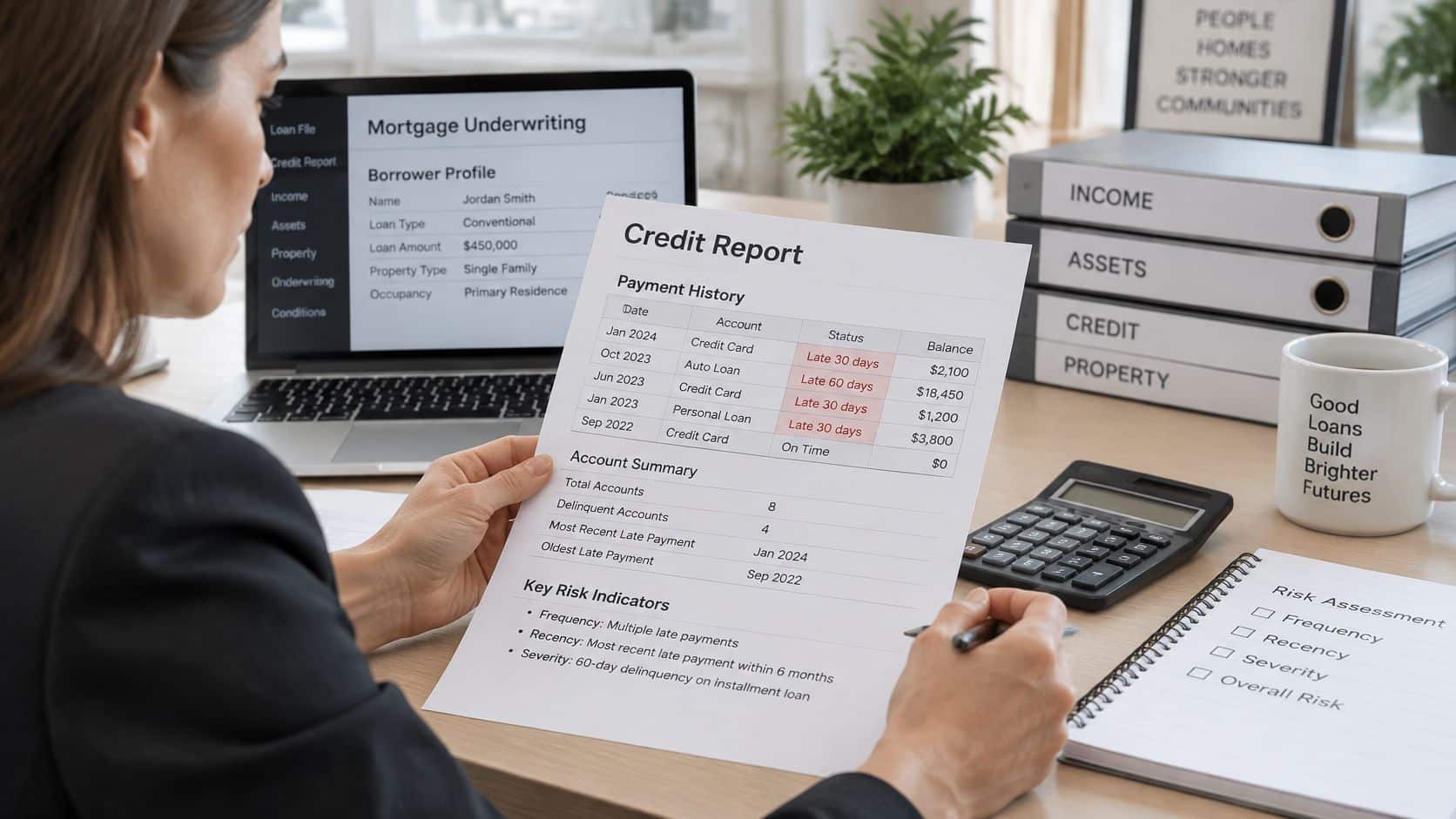
How to evaluate service advertising in Alabama
A credible advertisement makes room for what cannot be promised. Credit repair companies are responsible for explaining what they sell without implying that bureau investigations have a predetermined result. Such companies should not imply that an accurate delinquency disappears on demand, that a lender must approve an application, or that a consumer needs to hire an intermediary to submit a bureau dispute. CROA makes deceptive representations about these services a legal issue, not merely a matter of marketing style.
Ask a prospective provider to show the actual contract, explain its fee schedule, and describe how a customer may cancel. Credit repair advertising should describe realistic assistance, not suggest that an accurate payment history can be deleted for a fee. Credit repair in Alabama calls for realistic expectations: no private seller controls an agency investigation. A credit restoration plan may include payment habits or budgeting education, but those are not a substitute for examining incorrect fields on a report. A credit restoration service should be clear about which tasks it will perform and which belong to the consumer, a bank, an insurer, or an attorney.
Someone who types “repair credit near me” may see local offices, national websites, and unrelated financial products on the same screen. In Alabama, compare providers on written scope, disclosure of consumer rights, and billing terms rather than treating distance as proof of compliance. A credit repair company that explains the FCRA and CROA plainly is easier to evaluate than a seller that advertises a secret filing method.
Credit repair in Alabama should not be marketed as a universal answer to an approaching lawsuit. If the immediate concern is an SOL defense, obtain legal advice; if it is a misreported balance, use FCRA dispute rights; and if a collector misstated legal status, examine possible FDCPA protections. Distinguishing these routes is part of legitimate credit repair, not a reason to buy more services.
A consumer comparing repair credit near me results should also ask who prepares the dispute, what proof is included, and how progress is reported. If the provider cannot explain those basics, a lower advertised price may not represent better credit services. The same caution applies to credit repair companies that claim exceptional outcomes without documentation.
Which office or agency should handle a problem?
Start with the entity that can fix the particular issue. A credit reporting company investigates a disputed report entry. The furnisher checks the information it supplied. A covered debt collector handles a debt validation request under the FDCPA. A lawyer addresses litigation and the debt statute of limitations. These are not competing answers: some accounts require more than one channel.
The CFPB provides guidance on FCRA disputes and has a complaint process for qualifying unresolved credit-reporting issues. A complaint should state which entry was disputed, when the bureau received the dispute, what happened in the investigation, and why the result remains wrong. The CFPB asks consumers to let an active bureau dispute finish or wait the required period before submitting certain complaints.
If the dispute involves debt collection, the CFPB also accepts appropriate complaints concerning collection conduct. A credit score is not a legal remedy for a substantiated violation, even when reporting corrections influence scoring. Explain the specific call, letter, statement, or demand rather than assuming that a negative report means the FDCPA was violated. The FTC receives reports about possible deceptive business practices; Alabama’s attorney general has consumer-protection resources for state matters. No regulator promises an individualized credit-score change.
Federal law allows certain remedies for proven violations, which can include statutory damages under specified provisions and limitations. The availability of statutory damages is a legal question, not something a credit repair company should promise in its advertising. For legal claims, the content of the communication matters more than its tone. The statute of limitations can determine whether a claim is time-barred, but the SOL defense may require action by a defendant. Preserve the collector’s notice, evidence of payment, return receipt for any mailed response, and any documents from judgment creditors. A CFPB complaint may help document a problem, but it does not automatically stop a court deadline. A person who receives court papers should prioritize advice about the actual case.
Federal consumer-protection statutes have different enforcement standards, and the CFPB complaint process is not the same as a civil lawsuit. A practical route through credit repair laws is to match each right with its responsible party. A complaint to a regulator does not determine the SOL or extend a deadline set by an Alabama court. The FCRA belongs at the reporting level, the FDCPA at the covered collector level, CROA at the service-contract level, and Alabama SOL questions at the litigation level. Once the consumer knows which issue is active, correspondence becomes more precise and easier to evaluate.
A records-first plan for an Alabama household
Begin with all three credit reports and mark the entries that may be factually incorrect. Keep the version of each report that shows the disputed information. Then collect bank statements, account agreements, creditor correspondence, identity records, or insurance adjustments tied to those particular entries. Avoid sending original documents. The FCRA dispute process works best when the claimed error can be stated in one ordinary sentence.
Next, sort collection notices separately from the bureau material. If a third-party debt collector contacts you, note the sender, account number, dates, and validation information. Check whether the FDCPA applies; do not assume every communication from the original lender falls under that law. If you think a debt is too old for a lawsuit, review the SOL with an attorney rather than mailing a form letter that declares a universal expiration date.
For reports showing medical collections, use insurance records to determine whether the amount is still owed and whether the right person is listed. For judgments or litigation, preserve the actual court documents and seek legal help within the response period. For a proposed credit repair contract, read the CROA disclosures before agreeing to any payments. Each document belongs to a different decision.
Finally, examine the outcome rather than the number of letters sent. Did the bureau correct the disputed field? Has the collector supplied material that answers the identity or balance question? Did the creditor update the file? Have any court deadlines been addressed? Those answers are more meaningful than watching a score daily. The goal of credit restoration is accurate information and steadier financial habits, not a claim that every negative account can be erased.
Alabama consumer-rights guides and local service context
To understand the contract side in more detail, read our Alabama contract and consumer-protection guide. The separate overview of whether credit repair is legal in Alabama examines how service claims connect to consumer rights. For broader context, the Alabama consumer-rights hub organizes related information around the state; the hub page is scheduled for publication and may not be available yet.
Residents comparing local options can review information about providers in Leeds or local services in northern Alabama communities as geographic starting points. To compare beyond a single city, our service options overview explains the type of help a provider may offer. Location does not change the protections of the FCRA or CROA.
In any Alabama community, the important distinction remains the same: a credit restoration service can help consumers organize and question inaccurate reporting, but it does not alter the SOL by sending a dispute letter. Credit services sold by a business are also subject to applicable legal requirements. That is worth remembering before choosing a credit report repair service simply because it has an office nearby.
Mortgage questions that are related but legally different
A person looking for a home may need two forms of education: correcting errors under the FCRA and understanding a lender’s underwriting standards. Our homebuying guide for borrowers with past credit problems introduces the mortgage side. The minimum score comparison explains why lender programs have different requirements, while first-time buyer programs may provide another avenue to investigate.
Borrowers considering government-backed loans can review the FHA credit-readiness discussion alongside FHA score requirements. Separate pages address VA loan considerations and USDA underwriting considerations. None of those lending programs changes the FCRA right to challenge an inaccurate report; none turns a valid debt into an invalid one.
Before budgeting for a house, the down-payment planning article and mortgage score-preparation guide explain different financial questions. Couples can read about joint applications with unequal credit histories. Mortgage readiness also includes income and existing debt; credit repair alone does not resolve every underwriting concern.
When looking at lenders, read the guide to evaluating mortgage brokers and the warning signs covered by our article on no-credit-check claims. Consumers offered expensive alternatives may want to understand subprime lending costs and portfolio lender underwriting before signing. It is sensible to compare actual payment terms rather than assuming a credit repair advertisement answers a loan-pricing question.
Options involving hard-money financing for a residence or unconventional mortgages deserve particular attention to costs and legal terms. People exploring rent-to-own housing arrangements should read the contract carefully because housing agreements present risks outside ordinary FCRA disputes. Illustrations about very low score mortgage scenarios and mortgages near a 550 score are educational, not promises of financing.
Tuscaloosa and West Alabama follow-up resources
Tuscaloosa consumers with auto financing questions can use the local auto-loan planning guide to understand what lenders may examine, while the rental-screening guide covers a different application setting. If your immediate question is a mortgage, our Tuscaloosa mortgage preparation page addresses readiness rather than the SOL.
Credit repair and basic financial education serve different needs. For a basic consumer-rights discussion, see the Tuscaloosa credit questions and answers. The comparison of repair services and bankruptcy concerns a much larger legal decision than an FCRA dispute. People concentrating on utilization can explore the local score-planning article, remembering that payment history and reported balances matter separately from disputed errors.
Local application needs may make the timing of a credit report review more urgent, but they do not create extra legal deletion rights. The same FCRA procedures and CROA contract disclosures apply to consumers in Tuscaloosa, Leeds, Huntsville, and elsewhere in Alabama. If a court date or possible time-barred debt is involved, talk with a lawyer who can examine the underlying papers.
Common questions about Alabama credit repair law
What is the statute of limitations on debt in Alabama?
It depends on the kind of claim. Under Alabama Code § 6-2-37, the period for an open or unliquidated account is generally three years; § 6-2-34 provides six years for specified written promises and other obligations. The statute of limitations on debt in Alabama is not necessarily determined by the label on a statement. Ask an Alabama attorney to analyze the agreement and dates before relying on a defense based on timing.
Does an expired filing period remove collections from my reports?
No. The SOL governs when certain claims can be filed in court; the FCRA governs most ordinary adverse reporting periods. Collections may remain on an accurate file even after a debt is time-barred for litigation. A dispute under the FCRA should identify a reporting inaccuracy rather than merely saying the state lawsuit period expired.
Can a partial payment change the debt SOL?
Potentially. Alabama Code § 6-2-16 addresses certain partial payment made before the bar is complete and signed unconditional promises. The effect depends on the particular obligation and timing. Before making a partial payment or signing an acknowledgment on an older disputed account, obtain legal guidance; a date of last activity printed by a collector does not resolve the legal issue.
How do bureau dispute rights differ from collector misrepresentations?
FCRA Section 611 concerns the credit reporting company’s investigation of a qualifying dispute. FDCPA section 1692e restricts false or misleading representations by covered debt collectors. The FCRA and FDCPA address different conduct, so a challenge to inaccurate bureau data should be made through the appropriate reporting process even if a collector also behaved improperly.
What if a collector refuses debt validation?
A covered third-party debt collector has obligations under the FDCPA, including section 1692g. Preserve the initial notice and your written response, along with any return receipt, and ask a qualified consumer attorney about the facts if collection continues unlawfully. The CFPB provides complaint information. Debt validation alone does not guarantee removal from a credit report.
Are medical collections always excluded from credit reports?
No universal exclusion follows from the CFPB’s 2025 rule, which was vacated in July 2025. Bureau policies about some medical collections are different from a federal prohibition. Check the current status of the reported account, the amount, insurance adjustments, and any policy affecting the particular reporting company. A specific factual error may still be disputed under the FCRA.
What must a service provider provide before I sign?
CROA requires a written contract with specified terms and a cancellation notice for covered credit repair services. Review the work promised, all fees, timing estimates, and your three-business-day cancellation right. Covered companies cannot charge ahead of the services as prohibited by federal law. A legitimate credit repair company also should not claim power to erase accurate data.
Can a consumer regulator provide legal advice about a lawsuit?
Federal resources explain consumer rights, while the CFPB receives qualifying complaints, but it is not an attorney for a person sued in Alabama. Court response deadlines and defenses involving the statute of limitations require legal attention. The CFPB may be relevant to a separate reporting or collection problem, while a local attorney evaluates the lawsuit.
Can I repair credit near me without hiring an agency?
Yes. You may obtain your own reports, identify inaccuracies, and submit qualifying disputes without paying a credit repair company. If you still want help, compare a provider’s written contract, work description, and fees with the CROA requirements. The FTC explains that nobody can legally remove accurate current negative information just because a consumer pays for credit services.
The sensible next step
Choose one specific issue from the most recent report or letter: an incorrect balance, an unexplained collector, a disputed medical charge, a concerning service contract, or a court deadline. Find the document that proves the issue exists. A targeted FCRA dispute, a debt validation request under the FDCPA, a contract question under CROA, or an Alabama SOL inquiry may be appropriate, but each belongs in its own channel.
Superior Credit Repair can help with review and documentation related to credit reporting and a lawful rebuilding plan. It cannot decide whether the Alabama statute of limitations defeats a lawsuit, promise the deletion of accurate accounts, or secure a mortgage approval. A careful consumer uses credit repair services for defined tasks and legal advice for legal disputes. When a debt may be time-barred, verify the SOL before responding to a demand or making any payment that could have legal consequences. Judgments involve different procedural deadlines, and advice from a licensed Alabama attorney is preferable to guessing about them. That distinction protects both the accuracy of the file and the decisions made around it.
Additional Tuscaloosa reading
For more local discussion, see Tuscaloosa homebuyer preparation and the local dispute-service overview. These resources complement the discussions of mortgage readiness, auto-loan readiness, and rental screening. Our city FAQ, bankruptcy comparison, and score planning article answer additional questions.